Karnataka has received 110,654 applications seeking objections to proposed entries or deletions of names as the Special Intensive Revision (SIR) of electoral rolls proceeds, with the Election Commission setting October 22 as the deadline to dispose of claims and objections and October 27 for publication of the final roll.
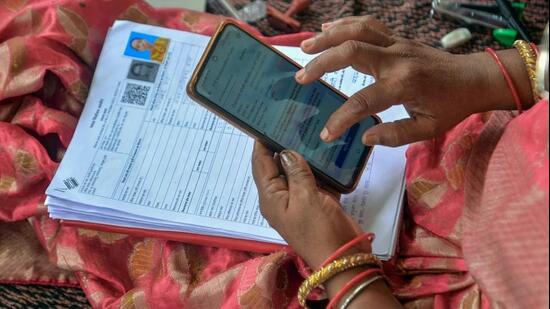
The figures, released by the office of Chief Electoral Officer V Anbukkumar on Friday, come amid a political dispute over allegations that bulk Form 7 applications have been used to target voters and police cases against BJP workers who submitted them. BJP state president BY Vijayendra accused the Congress government of using the controversy to intimidate his party’s workers, while defending the revision exercise as an effort to remove irregularities from voter lists.
As of October 9, Karnataka had 45,161,393 registered electors: 22,403,422 men, 22,755,113 women and 2,858 transgender voters.
Election officials generated 4,382,315 notices during the revision, delivering 4,373,745, or 99.80% of them. Hearings had been completed for 4,088,099 of the delivered notices, representing 93.47%, while 285,646 cases remained pending. The final hearing is scheduled for October 12.
Between June 16 and October 8, the state received 23,02,215 applications under four categories. These comprised 9,52,497 Form 6 applications for inclusion in electoral rolls, 4,712 Form 6A applications from Indian citizens living abroad seeking enrolment, 1,10,654 Form 7 applications seeking objections to proposed inclusions or deletion of existing entries, and 12,34,352 Form 8 applications for corrections, changes of address and replacement of voter identity cards.
{{/usCountry}}Between June 16 and October 8, the state received 23,02,215 applications under four categories. These comprised 9,52,497 Form 6 applications for inclusion in electoral rolls, 4,712 Form 6A applications from Indian citizens living abroad seeking enrolment, 1,10,654 Form 7 applications seeking objections to proposed inclusions or deletion of existing entries, and 12,34,352 Form 8 applications for corrections, changes of address and replacement of voter identity cards.
{{/usCountry}}The Chief Electoral Officer’s office said constituency-wise information on claims and objections submitted through Forms 9, 10, 11, 11A and 11B had been published on the Election Commission of India’s website.
In a letter dated October 1, Anbukkumar drew the attention of Electoral Registration Officers to complaints about bulk Form 7 submissions and questions about their authenticity.
The communication directed District Election Officers, Additional District Election Officers and Electoral Registration Officers to initiate proceedings under Section 31 of the Representation of the People Act, 1950, against applicants found to have knowingly made false written statements or declarations in Forms 6, 6A, 7 and 8. An inquiry under Rule 20 of the Registration of Electors Rules, 1960, must precede such action, the letter said.
Vijayendra said the BJP was supporting the SIR process rather than defending the Election Commission against allegations surrounding its conduct.
“The BJP is not trying to defend the Election Commission of India. Our position is that Special Intensive Revision (SIR) is a process intended to cleanse electoral rolls and remove irregularities,” he told a press conference on Friday.
He questioned why the BJP should answer for the conduct of an exercise administered by the Election Commission and accused the Congress government of pressuring the police to register cases against party workers over Form 7 applications.
Vijayendra argued that Booth Level Officers involved in the revision worked under the state government, and said applications from political parties should be assessed on their merits. “If a Form-7 application is submitted by the BJP or by any other political party, the Returning Officer will accept it if it is valid and reject if it is incorrect,” he said.
The BJP leader accused Chief Minister DK Shivakumar of using the dispute to target his party and alleged that the Congress was portraying the applications as an attempt to remove votes belonging to AHINDA communities, a term used for minorities, backward classes and Dalits.
“We have no need to resort to such conspiracies. We have submitted applications wherever there are doubts about entries in the electoral rolls. If the applications are valid, they will be accepted; if they are incorrect, they will be rejected,” Vijayendra said.
He denied that the BJP had singled out any community, saying its objections concerned deceased voters and duplicate entries. He also alleged that illegal Bangladeshi immigrants were being included in electoral rolls in Bengaluru and other Assembly constituencies in Karnataka.
Vijayendra referred to interim relief reportedly granted by the Karnataka High Court’s Dharwad Bench in a case related to the dispute and accused the Congress government of trying to intimidate BJP workers through police cases.