
 E-Paper



LPG cylinders still unaffordable for poor: CAG
The PMUY, popularly known as Ujjwala, is aimed at eliminating health hazards poor women face from indoor pollution by increasing their access to clean, smoke-free cooking fuel.

 Prefer HTon Google


Cooking gas cylinders remain unaffordable for the poor despite a big push by the government to provide free liquefied natural gas (LGP) connections to disadvantaged households, according to a report tabled by the national auditor in Parliament on Wednesday.
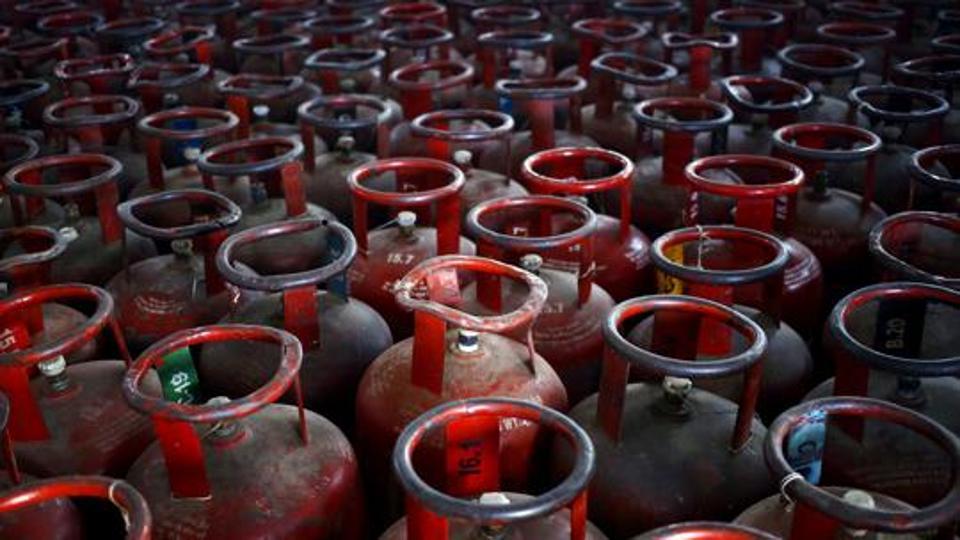
Findings of the Comptroller and Auditor General (CAG), which examined the Pradhan Mantri Ujjwala Yojana (PMUY), showed the government was able to reach 90% of the 80 million households it has targeted till March 2020 for free LPG connections. Illegal diversions of domestic-use cylinders for commercial purposes were a minuscule 0.25% of the total connections provided, the audit showed.
The PMUY, popularly known as Ujjwala, is aimed at eliminating health hazards poor women face from indoor pollution by increasing their access to clean, smoke-free cooking fuel.
Average annual consumption of cylinders remained very low among the poor who received free LPG connections, the audit found, pointing to high costs of LPG cylinders, despite these being subsidized.
“Encouraging the sustained usage of LPG remains a big challenge as the annual average refill consumption of 1.93 crore (19.3 million) PMUY consumers who have completed more than one year as on 31 March 2018 was only 3.66 refills,” according to the report. Another analysis of 31.8 crore PMUY beneficiaries as on 31 December 2018 showed that refill consumption had declined to 3.21 refills.
“Affordability is certainly an issue. Along with that, behavioural patterns also need to be investigated. Even though the connection is in the name of the woman, one needs to find out if the man concerned is willing to invest in refills,” said analyst Ann Josey of the Prayas Energy Group, a Pune-based think-tank. Low refills also result in low profitability for distributors, he added.
The audit also pointed to a “risk of diversion of domestic cylinders for commercial use”. It found that 1,98,000 beneficiaries, or 0.25% of the total, had an “average annual consumption of more than 12 cylinders which seems improbable in view of their below poverty line status”. Adequate channels of accountability between oil marketing companies and distributors need to be established for transparency, Josey said.
The audit report recommended that Aadhaar numbers of all adult family members of existing as well as new beneficiaries should be entered into the PMUY system for detection and weeding out of more than one connection.


