
 E-Paper



Modi Cabinet approves ₹99,446 crore ELI scheme to create 3.5 crore jobs: All you need to know
Union minister Ashwini Vaishnaw said that ELI scheme, with an outlay of Rs. 99,446 crore, will support creation of over 3.5 crore jobs in the country.
Published on: Jul 1, 2025, 18:05:04 IST

 Prefer HTon Google
Share via


Copy link

The Prime Minister Narendra Modi-led Cabinet on Tuesday approved the Employment Linked Incentive (ELI) scheme to promote job creation and improve social security.
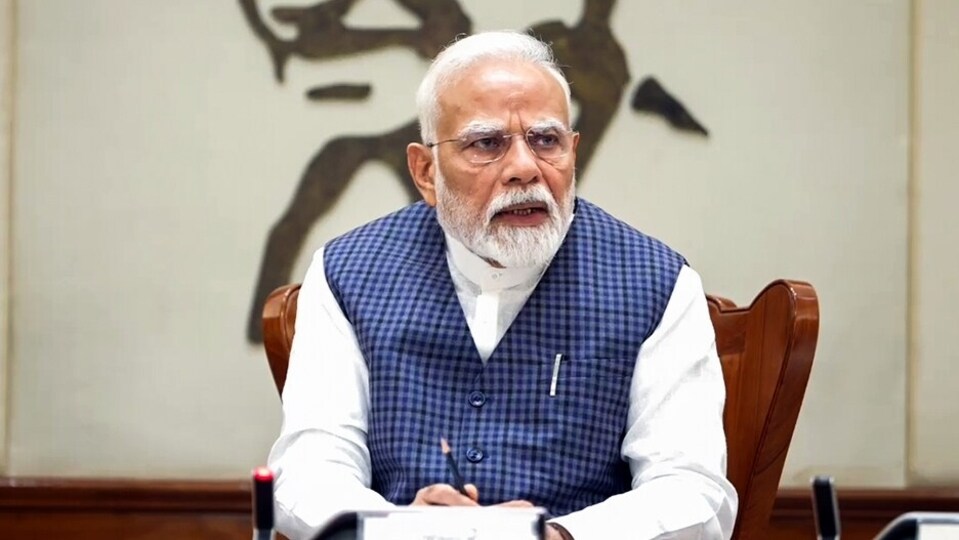
The scheme aims to promote employment generation, enhance employability and social security across all sectors, with a particular focus on the manufacturing sector.
Union minister Ashwini Vaishnaw said that the ELI scheme, with an outlay of Rs. 99,446 crore, will support the creation of over 3.5 crore jobs in the country.
Here's what we know about the scheme:
- The ELI scheme has two parts: one for first-timers and the other for employers.
- The scheme will target first-time employees registered with EPFO, and offer them one-month EPF wage up to ₹15,000 in two instalments. Employees with salaries up to ₹1 lakh will be eligible for the scheme.
- “The first instalment will be provided after six months of employment, and the second after twelve months, along with the completion of a basic financial literacy program,” according to a government release. “To encourage saving habits, a part of this amount will be deposited in a savings account that can be withdrawn later.”
- Employers will also receive incentives for hiring new workers. “The Government will incentivise employers, up to ₹3000 per month, for two years, for each additional employee with sustained employment for at least six months,” the government said.
Also Read | Cabinet approves construction of 4-lane Paramakudi-Ramanathapuram NH section
- In the case of manufacturing companies, the benefit can be extended up to four years.
- Employers with fewer than 50 employees must hire at least two additional workers to qualify, while those with 50 or more must hire at least five. The new employees must earn up to ₹1 lakh per month to be eligible under the scheme.
- Payments under the scheme will be made directly to the bank accounts of the workers and employers. Employees will receive their incentives via Direct Benefit Transfer (DBT) using the Aadhar-based payment system, while employers will receive payments in their PAN-linked business accounts.
Also Read | Job schemes not a mandate but a nudge to companies, says Nirmala Sitharaman: ‘Who is intruding’


Get the latest India News, breaking headlines, and real-time updates from across the nation. Stay informed on politics, government policies, crime, weather, and CEC Gyanesh Kumar row Live.


