E-Paper



Niti Aayog team to visit Goa to examine ‘khazan’ revival proposal: Goa CM
Pramod Sawant also sought “large-scale funding” to undertake “repairs and maintenance of outer and inner bunds; sluice gates and desilting of poiems

 Prefer HTon Google


PANAJI: A team from the NITI Aayog will travel to Goa to study the state government’s proposal for the revival of ‘khazan’ land, the low-lying floodplains used for agriculture, salt pans and fishing, chief minister Pramod Sawant said on Monday.
“We have placed our proposal for the revival of 10,000 hectares of the khazan paddy fields. They will come here and study the proposal and submit their recommendations to the agriculture ministry so that whatever financial support is required, we can receive,” Goa Sawant said on Monday.
Sawant also sought “large-scale funding” to undertake “repairs and maintenance of outer and inner bunds; sluice gates and desilting of poiems (small creeks)” at the 10th governing council meeting of NITI Aayog.
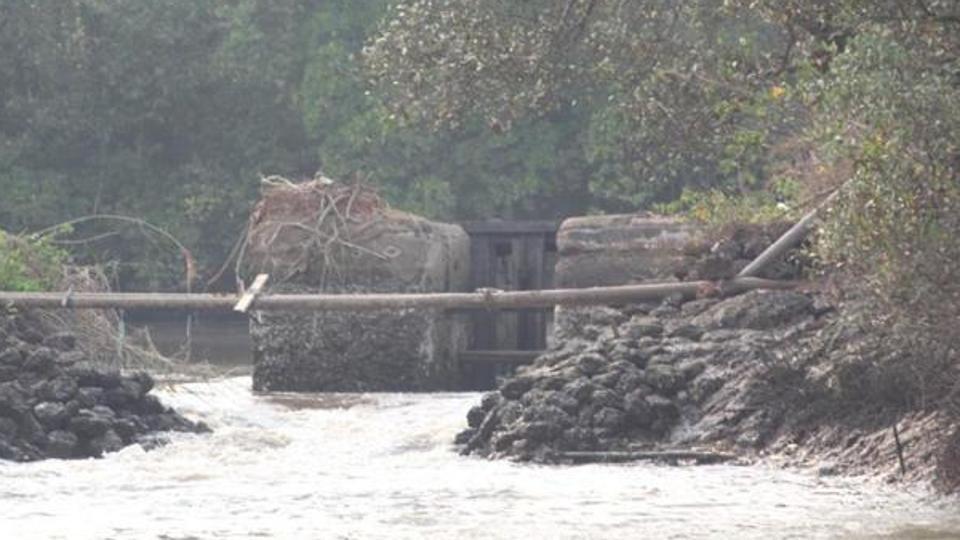
Khazan lands are protected from the saline waters of the estuary by a network of embankments and tide gates that regulate the flow of water, ensuring the lands around the island remain fertile. However, over the years, the embankments have breached.
“If revived, this would bring thousands of hectares of land under cultivation, provide livelihood to people by boosting basic activities as agriculture, pisciculture and salt panning and also maintain/ protect fragile ecosystems in estuaries for coming generations,” Sawant said in his speech.
This is the third time Goa has tried to make out a case for central funding to revive its khazan lands. At the pre-budget meeting with finance minister Nirmala Sitharaman, Sawant had sought assistance of ₹500 crore for repairing and reviving khazan lands
Goa’s khazan lands date back to 400 AD, when the earliest references are found in literature, to lands that were protected from the sea and tides through a network of embankments and sluice gates that controlled the flow of water and ensured that the lands were cultivable. The network is considered an engineering marvel.
The khazans have traditionally held multiple uses, being used either as aquaculture ponds to breed fish and prawns in the monsoons, to plant rice during the winter growing season or to harvest salt in the summer.
According to government data, Goa has approximately 18,000 hectares of khazans, which is about 5% of the state’s total geographical area. An estimated 4,000 hectares of these khazans have been lost over the last thirty years.
The embankments and sluice gates have been neglected over the years because many people who were dependent on agriculture income either migrated out of the state or switched to the tourism industry.