The Odisha Cabinet late on Saturday night approved an 11.25% reservation for Socially and Educationally Backward Classes (SEBC) students in medical and technical courses, while also enhancing quotas for Scheduled Tribe (ST) and Scheduled Caste (SC) students.
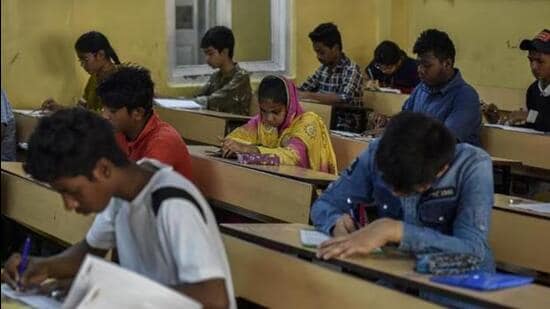
The decision was taken at a Cabinet meeting chaired by Chief Minister Mohan Charan Majhi and will apply across state universities and their affiliated institutions offering professional courses.
Under the new policy, ST reservation will be increased to 22.50% from 12%, while SC reservation will rise to 16.25% from 8% in medical, engineering, and other technical education streams. The government said the newly introduced 11.25% quota for SEBC students will be implemented in technical and medical education institutions across the state.
The move is also aimed at bringing Odisha’s reservation policy closer to national practices. Since the 2015–16 academic year, Central Educational Institutions, including IITs, NITs, IIMs, and IIITs, have implemented 27% reservation for Other Backward Classes (OBCs), except in minority institutions. Additionally, 27% OBC reservation in the All India Quota (AIQ) seats for medical and dental colleges was introduced from the 2021–22 academic session.
The revised reservation framework will cover courses in engineering, technology, management, computer applications, medicine, surgery, dental sciences, nursing, pharmacy, veterinary science, Ayurveda, homeopathy, and agriculture, among others.
{{/usCountry}}The revised reservation framework will cover courses in engineering, technology, management, computer applications, medicine, surgery, dental sciences, nursing, pharmacy, veterinary science, Ayurveda, homeopathy, and agriculture, among others.
{{/usCountry}}Of the 2,421 undergraduate and postgraduate medical seats in Odisha, 545 seats will be reserved for ST students, 393 for SC students, and 272 for SEBC students under the new system. Similarly, of the total 44,579 engineering seats, 10,030 seats will be earmarked for ST students, 7,244 for SC students, and 5,015 for SEBC students.
The Cabinet decision comes amid growing demands from backward class groups to extend reservation benefits to SEBC students in professional education, where they had limited access to quota benefits compared to admissions in general higher education.
In Odisha, the absence of a dedicated SEBC quota in technical and medical education had been flagged repeatedly by student bodies and community organisations, particularly after the expansion of OBC reservations at the national level. The latest Cabinet decision is seen as an attempt by the state government to address these demands while expanding the representation of SC and ST students in professional courses.
Government sources said the revised reservation policy is expected to take effect in the upcoming academic admissions cycle, though detailed implementation guidelines are likely to be issued separately by the concerned departments.