Bhubaneswar: The Odisha government on Thursday allowed phramacists at primary health centres managed by a single doctor or without a doctor to prescribe medicines for 12 ailments including malaria, fever, skin diseases like scabies, diarrhoea and superficial burns.
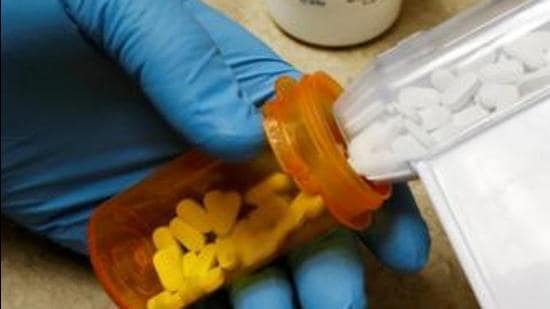
Director of health services, Dr Bijoy Mohapatra said the government took the step to address the acute shortage of doctors at primary health centres in rural areas as it has become difficult to treat huge number of patients.
“In 2003 under the Panchavyadhi scheme for treatment of five illnesses - fever, dysentery, vomiting, headache and stomach pain - we trained the pharmacists to dispense medicines in the absence of doctors. We just modified the order so that people in rural areas can get treatment,” said Dr Mohapatra.
He said the order was necessary as doctors at health centres needed to take a day off and some arrangement was necessary to run healthcare services smoothly in rural areas where the phramacists managed the primary health centres. The ailments for which the pharmacists can prescribe medicines are malaria, fever, upper respiratory tract infection, scabies, ringworm, helminthiasis, acid peptic disease, diarrhoea, minor injuries and superficial burns that are not medico legal cases, diastolic blood pressure, drainage of abscess and non-communicable disease.
State president of Indian Pharmaceutical Association Smruti Ranjan Mishra said Odisha government may be the first among all the states of the country to allow the pharmacists prescribe drugs for a wide range of illnesses.
{{/usCountry}}State president of Indian Pharmaceutical Association Smruti Ranjan Mishra said Odisha government may be the first among all the states of the country to allow the pharmacists prescribe drugs for a wide range of illnesses.
{{/usCountry}}“It’s a welcome step. If you go to developed countries, doctors only diagnose the disease while pharmacists prescribe the doses. As pharmacists, we know the composition of drugs better than doctors and can advise the patients much better. In most cases where medicines don’t work, it is because patients have not been prescribed drugs in proper dosages. The decision of the Odisha government is very good,” said Mishra.
Odisha has 8,729 sanctioned posts of doctors in Odisha to be deployed across 1,288 primary health centres, 377 community health centres, 30 district headquarter hospitals and 7 government medical colleges and hospitals. But on the ground, the state government has only 7,443 doctors including those on contract. This number keeps changing every month as doctors leave after serving for a few months, often dissatisfied with the rural health infrastructure.
The government has tried everything including raising the retirement age of doctors to 65 from 62 years, allowing non-domiciled doctors from other states to apply for posts in state government hospitals and giving special incentive to doctors working in backward areas of undivided districts of Kalahandi-Bolangir-Koraput, but the measurs have not been very successful.
In its report this year, the 15th Finance Commission said the doctor to people ratio in the state was 1 doctor for 1,864 people while the national ratio was 1 doctor for 1,161 patients. According to the World Health Organization, there should be one doctor for every 1,000 persons. Last year, a record number of 4403 doctors were registered with Odisha State Medical Council but the shortage of doctors continues.
According to the rural health statistics 2019-20 released by the Union ministry of health and family welfare in April this year, the primary health centres have only 827 doctors against the sanctioned strength of 1,288 doctors. At the community health centres, 1,508 surgeons and specialists were required but only 313 were in position. Similarly, there were 1,694 pharmacists in position against the sanctioned strength of 1868. Of the 3,927 posts of nursing staff sanctioned, 2504 were in position.
The decision of the state government comes at a time when the BJD government is aggressively pushing its health insurance scheme called Biju Swasthya Kalyan Yojana under which beneficiaries can get treated in empanelled private hospitals across the state and outside by swiping a smart card. Chief minister Naveen Patnaik on Wednesday distributed the BSKY smart cards to people of Bolangir district ahead of panchayat polls scheduled less than 5 months away.
However, former principal of SCB Medical College, the oldest government medical colleges in Odisha, Dr Siddharth Das said the move may not be well-advised.
“If a patients has fever due to Covid, just paracetamol would not work. Pharmacists have studied only about chemical compositions in a drug, but can they diagnose a disease,” asked Dr Das.
Incidentally, in July this year, the Union health ministry passed Pharmacy Practice Amendment Regulations 2021 under which pharmacists can practise after a five-year integrated Pharm D course. The clinical pharmacist can provide patient care, evaluate all medicare coverage requirement requests, assist all patients with assessment of patient orders and assist prescription infusion and ensure adherence to all laws and regulations.