
 E-Paper



Odisha says it will scrap ‘No PUC, no fuel’ move after HC redflags decision
The government has also revoked its decision that would bar PUC certificates to vehicles that have unpaid traffic tickets


The Odisha government on Tuesday told the Orissa high court that it has decided to withdraw its controversial directive barring petrol pumps from selling fuel to vehicles without valid Pollution Under Control (PUC) certificates from April 1.
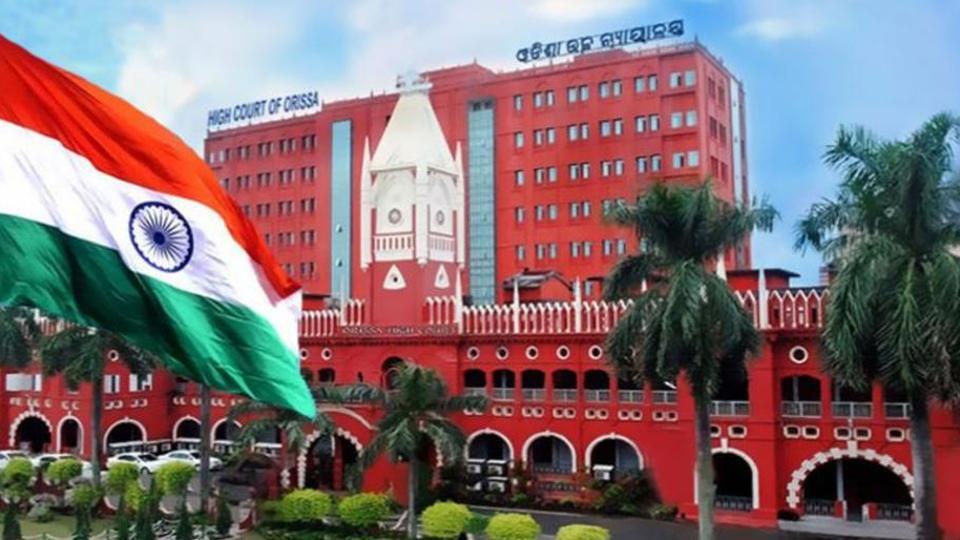
The state government also told a bench of chief justice Harish Tandon and justice MS Raman that the government had decided to revoke its decision that would bar PUC certificates to vehicles that have unpaid traffic tickets.
The government’s move to rescind its decision comes after the Orissa high court at previous hearings raised questions about the feasibility and legality of its decision while hearing a petition filed against the decision by Bhubaneswar’s Snigdha Patra.
In an affidavit that was taken up at Tuesday’s proceedings, the government said fuel pumps could request a motorist to see a PUC certificate but they would have no legal authority to deny petrol or diesel to motorists.
The government also added that it had decided to rescind a proposed provision that required vehicle owners to clear their outstanding traffic notices to be eligible to obtain PUC certificates.
The high court observed that fuel stations lacked the logistics and legal mandate to verify pollution certificates and questioned how the government could link legal provisions that require motorists to pay the traffic fines imposed within 90 days to issuance of PUC certificates.
Patra’s lawyer Ranjan Rout told reporters that the high court has directed the state transport commissioner to issue the necessary orders and inform the court of its compliance by next week.
The court has sought a detailed affidavit on proposed amendments to the Vahan portal to ensure any future enforcement aligns strictly with existing legal provisions.



