As high as one in seven Indians suffered from mental disorders of varying severity in 2017, including depression, anxiety disorders, schizophrenia and bipolar disorders, shows the first comprehensive estimates of disease burden due to mental disorders and their trends from 1990 published in The Lancet Psychiatry by the India State-Level Disease Burden on Monday.
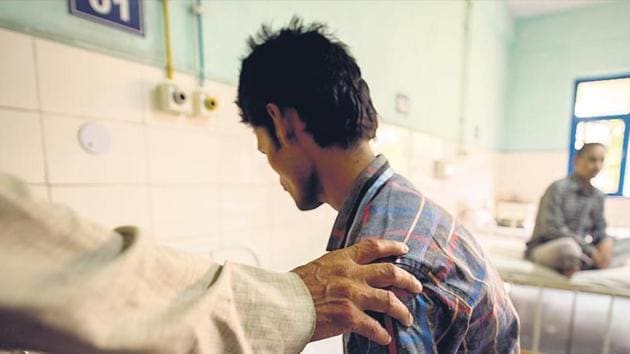
Depression and anxiety were the most common mental disorders, with 45.7 million having depression and 44.9 million suffering from anxiety disorders, of the 197.3 million Indians suffering from mental disorders in 2017.
“We are talking about 14.5% of countries population, of which just about 10% is able to get adequate treatment largely due to neglect as mental illness is still not considered a serious illness and also due to stigma attached. This is the first time that such a comprehensive report has been put out to know the exact disease burden of mental health in the country that will help make changes at the policy-level,” said Dr Rajesh Sagar, professor, psychiatry department, All India Institute of Medical Sciences (AIIMS), Delhi.
Dr Sagar is the lead author of the study.
{{/usCountry}}Dr Sagar is the lead author of the study.
{{/usCountry}}Mental health is increasingly being recognised as one of the priority areas in health policies globally, and has also been included in the Sustainable Development Goals (SDGs).
Even though contribution of mental disorders to the total disease burden has doubled between 1990 and 2017, a systemic understanding of their prevalence, disease burden, risk factors was not readily available for each state.
“This study has been an attempt to fill that gap even though India has prioritised mental health in its agenda in the form of Mental Health Policy in 2014 and then brining in the revised Mental Healthcare Act in 2017. There still is a gap of about 80-90% in access to treatment which speaks a lot about how much more we need to do to reach the target population,” Dr Sagar said.
The prevalence of depressive disorders increased with age in India in 2017, with the highest prevalence in elderly, which has significant implications for the aging population of India. Women are also at higher risk of developing depressive disorders than men.
“There’s link between depression and suicide deaths in India, and the numbers rise with age. For women a lot of factors play a role including psycho-social factors. Most suicide attempts happen between 15 and 29 years when they are adjusting in the matrimonial set-up,” said Rakhi Dandona, professor, Public Health Foundation of India.