E-Paper



Poll-bound states wary of signing up for Modicare scheme
Twenty-four states/UTs have signed the mandatory memorandum of understanding with the Centre. Among the major states that still haven’t joined are Maharashtra, Delhi, Punjab, West Bengal and Goa.


States facing elections, such as Rajasthan and Odisha, have not signed up for the Centre’s Ayushman Bharat mission, dubbed as Modicare, as they are wary of getting their health insurance schemes subsumed by the overarching national health protection plan that is likely to be launched on August 15, a health ministry official has said.
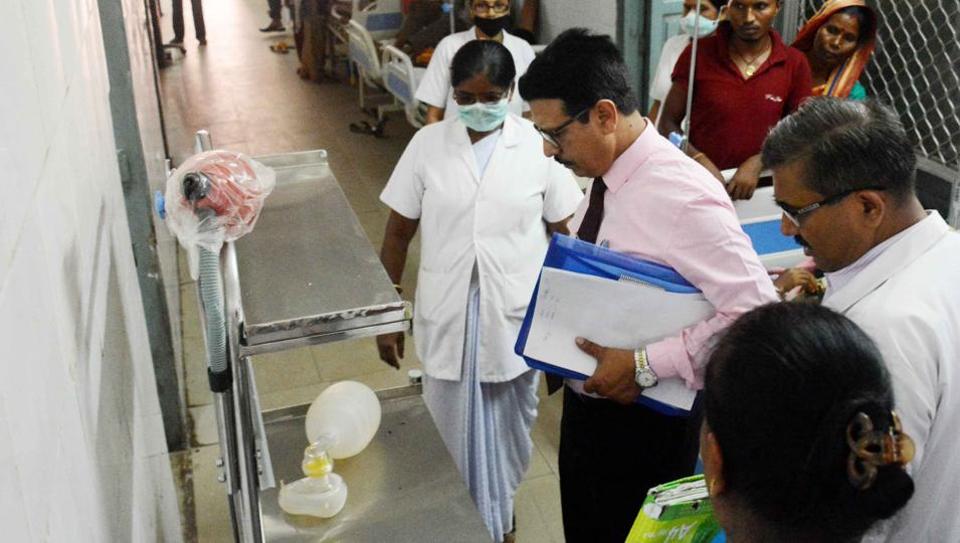
National Health Protection Mission - Ayushman Bharat (NHPM-AB) aims to provide ₹5 lakh annual insurance cover to more than 10 crore poor families.
“These states are sceptical about changing the status quo ahead of the elections as they aren’t sure how the voters will react to the new scheme, which is probably why it is taking them time to commit to it. Rajasthan, for example, has Bhamashah scheme running since 2014 and is going into polls next year,” said the health ministry official cited above, requesting anonymity.
Twenty-four states/Union Territories have signed the mandatory memorandum of understanding with the Centre. Among the major states that still haven’t joined are Maharashtra, Delhi, Punjab, West Bengal and Goa.
“Telangana, Tamil Nadu, Kerala, Karnataka, Sikkim and Goa will soon sign the MoU,” said the scheme’s CEO, Indu Bhushan, adding the customisation of the information technology platform was currently going on.
Infrastructure delivery will be a challenge in underserved states, such as Bihar and Uttar Pradesh. “In tier-two and tier-three cities, it will be difficult to identify hospitals initially but eventually we are hopeful that more hospitals will come up, especially private ones as they are profit-driven and they will be getting numbers,” said Bhushan.
He refuted allegations by private healthcare providers that the treatment packages were low.
“These are median rates and states have the authority to revise within a bandwidth. These rates are a starting point and we have to start conservatively,” he said.