Starting in March next year, the Akhil Bharatiya Pratinidhi Sabha, the highest decision-making body of the Rashtriya Swayamsevak Sangh (RSS), will no longer meet annually.
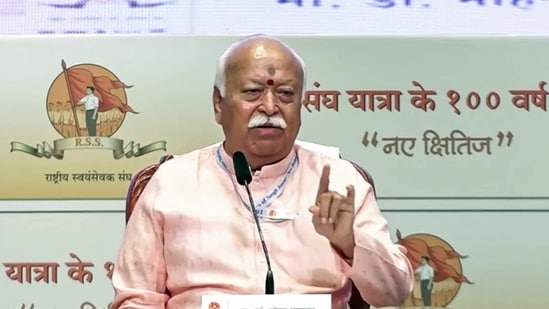
At the ABPS, a three-day meeting, the brass of the Sangh reviews the work done by its offshoots and various associated cells. Resolutions on key issues are passed after discussions, and goals are set for future programmes and campaigns.
That meeting will now be held in Nagpur every third year, said people aware of the details.
“This is in line with the major organisational changes that are being implemented. The ABPS will now be organised in each of 9 Kshetras (regions) for two years, and then every third year there will be a gathering in Nagpur as it is done now,” said a Sangh functionary.
The Nagpur meeting is crucial, as the elections to select new office-bearers are held every third year. The next such meeting is in Nagpur in March next 2027.
The ABPS meetings to be held over a span of two to three months in the Kshetras will be attended by senior functionaries, including the Sarsangachalak, or the chief of the RSS, and the general secretary.
“That is still being worked out. Either one of them or both will be present for the regional meetings, depending on how these are scheduled,” the functionary quoted above said.
{{/usCountry}}“That is still being worked out. Either one of them or both will be present for the regional meetings, depending on how these are scheduled,” the functionary quoted above said.
{{/usCountry}}The functionary said the Sangh’s national executive committee meeting (coming up in November in Indore) will continue to be held annually.
“Since we are expanding our footprint, it is important to focus on each region, the local issues and the work that the Sangh needs to undertake in that area. The ABPS gives a broad contour for us to work. It will continue to do so, but at the same time we will have more concerted action that is region-specific,” the functionary quoted above said.
The new structure
Last year, the RSS, the ideological fount of the BJP, announced that, to maximise its reach and increase its presence on the ground, it would replace prant pracharaks with sambhag (division) pracharaks (full-time workers).
The new structure will increase the number of pracharaks from 46 to 85, but the number of kendras (state-level) will decrease from 11 to 9.
Following the meeting in November, the state units will elect new karyakarinis (the executive body at the state level), the Sambhag sangachalak (division head), and the kshetra sangachalaks, who, in turn, will elect the new general secretary. The last election took place in 2024, when the incumbent, Dattatreya Hosabale, was elected to a second term.