E-Paper



SC seeks Centre, NCERT reply on transgender-inclusive sexuality education
A petition demanded that age-appropriate, transgender-inclusive comprehensive sexuality education (CSE) be formally integrated into school curricula across the country

 Prefer HTon Google


The Supreme Court on Monday sought responses from the Union government, the National Council of Educational Research and Training (NCERT), and several states on a petition demanding that age-appropriate, transgender-inclusive comprehensive sexuality education (CSE) be formally integrated into school curricula across the country.
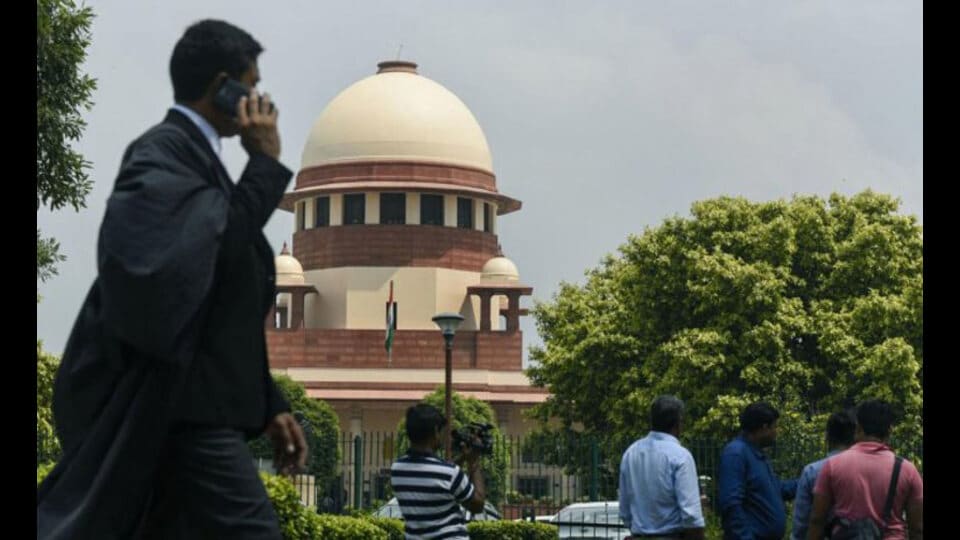
A bench comprising Chief Justice of India (CJI) Bhushan R Gavai and Justice K Vinod Chandran issued notices to the Centre, NCERT, and the states, including Maharashtra, Punjab, Karnataka, and Tamil Nadu, on the petition filed by Kaavya Mukherjee Saha, a 16-year-old student from Delhi.
Appearing for Saha, senior advocate Gopal Sankaranarayanan told the bench that despite a categorical direction by the Supreme Court in 2024 to integrate CSE into school education, NCERT had recently admitted in a Right to Information (RTI) reply that it had “no information” on introducing such material in its curriculum.
“This shows the orders of this court remain unimplemented,” submitted Sankaranarayanan, stressing that sexuality education cannot be tokenistic and must include gender sensitisation and transgender-inclusive perspectives.
Saha’s petition contends that NCERT and most state councils of educational research and training (SCERTs) have failed to incorporate structured or examinable content on gender identity, gender diversity, and the distinction between sex and gender, despite the clear mandate under Sections 2(d) and 13 of the Transgender Persons (Protection of Rights) Act, 2019.
The plea states that textbook reviews across Maharashtra, Andhra Pradesh, Telangana, Punjab, Tamil Nadu, and Karnataka revealed systemic omissions on these themes, with Kerala offering partial exceptions. The petition also points to the International Technical Guidance on Sexuality Education (ITGSE), published by UNESCO and WHO, which provides a global framework for CSE and was expressly endorsed by the Supreme Court in its 2024 judgment. The petition maintained that exclusion and misinformation perpetuate stigma and discrimination, undermining the constitutional guarantees of dignity and equality.
The latest petition builds on the judgment delivered by the apex court in December 2024, which underscored the centrality of sexuality education in tackling child marriage. Underlining that CSE was “a vital tool in the long-term eradication of child marriage,” the court had then directed that such education be aligned with frameworks laid down by the World Health Organisation (WHO) and other global experts.
The 2024 judgment had made it clear that sexuality education must go beyond discussions on reproductive health to cover legal aspects of child marriage, gender equality, and the physical and mental consequences of early marriage. It directed that the content be age-appropriate and culturally sensitive, while empowering children to understand the importance of delaying marriage and the broader implications for their well-being and future opportunities.
As part of this preventive strategy, schools, particularly those in regions with a high incidence of child marriage, were mandated to dedicate textbook sections to legal protections, health risks, and preventive measures. Institutions were also required to display posters and charts summarising this information in schools, gram panchayats, and other public spaces.
The judgment further called for mentorship and leadership programmes for young girls, designed to build skills, foster community participation, and enable them to push back against social pressures. Importantly, the court also created reporting obligations, as teachers and principals were directed to immediately notify authorities if a girl student suddenly dropped out of school, to enable timely intervention before a marriage could take place.
That verdict came on a public interest litigation filed in 2017 by NGO Society for Enlightenment and Voluntary Action and activist Nirmal Gorana, which alleged poor enforcement of the Prohibition of Child Marriage Act, 2006.