The telecom regulator has recommended that apps that stream free, ad-supported TV channels over the internet should require a government licence, as cable and DTH operators do.
The Telecom Regulatory Authority of India (TRAI) sent its recommendations to the Information and Broadcasting Ministry on Monday. The ministry had asked for them in December 2025, after cable operators complained that such services were operating without a licence.
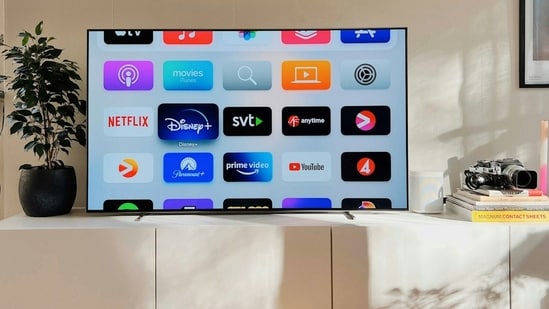
Many smart TVs now come with preinstalled apps, such as Samsung TV Plus and LG Channels, that stream live-style channels for free, with ad breaks in between. The industry calls this free ad-supported streaming television (FAST).
TRAI’s report names no company and proposes a wider term, “Application-based Linear Television Distribution”.
What is the proposal?
Under the proposal, an app provider would need a national authorisation under the Telecommunications Act, 2023. It would be valid for 20 years, with a ₹1 lakh entry fee.
Apps could carry channels already permitted by the ministry, including existing news channels, without further approval. Channels made only for such apps would have to register with the Ministry and pay ₹1 lakh per year for each one, but this route would be open only to non-news channels.
TRAI says news and current affairs affect public order and national security, and that a light-touch route for internet-only news channels could circumvent the permission process that TV news channels face.
{{/usCountry}}TRAI says news and current affairs affect public order and national security, and that a light-touch route for internet-only news channels could circumvent the permission process that TV news channels face.
{{/usCountry}}Foreign companies would have to operate through an Indian entity.
TV makers and operating system providers would also have a duty to remove or disable any app not on a list of authorised apps maintained by the ministry.
TRAI received 207 comments on its April consultation paper. It says the aim is to balance innovation with consumer protection and fairness between platforms.
To be sure, these are only recommendations and the ministry must decide whether to accept them and then notify the rules.
What would this mean for viewers?
Though free viewing is not being banned, some changes could be felt. Someone who uses a lesser-known streaming app on a budget smart TV could find it disabled if it is not authorised.
A viewer unhappy with an offensive programme or a misleading ad would have a named grievance officer in India to approach, as cable and DTH customers do. Advertisers could be affected too, as TRAI wants viewing on these apps counted in TV ratings, which advertisers use to decide where to spend.
Several questions are left open. Cable operators have said some pay channels appear free on these apps. TRAI says it will examine pricing, carriage and service quality rules only after the government finalises the licensing framework.
The market in which these services operate is substantial. TRAI’s report cites industry estimates that India has more than 193 million television households, a figure covering cable, DTH, HITS, free-to-air services and connected TV, and more than one billion internet subscribers. It also cites an industry report saying the connected-TV audience has grown to over 129 million users in 2025.
Another industry estimate in the report projects that the FAST user base will rise from about 116 million in 2023 to nearly 149 million by 2027.