E-Paper



‘Three out of five liver cancer cases preventable’
The majority of liver cancer cases can be prevented by reducing levels of viral hepatitis, alcohol consumption and MASLD (metabolic dysfunction-associated steatotic liver disease)

 Prefer HTon Google


Three in five liver cancer cases happen due to preventable risk factors including fatty liver, alcohol, and viral hepatitis, according to a latest analysis done by The Lancet Commission on liver cancer published on Monday, which also adds obesity-linked cancer cases are on the rise.
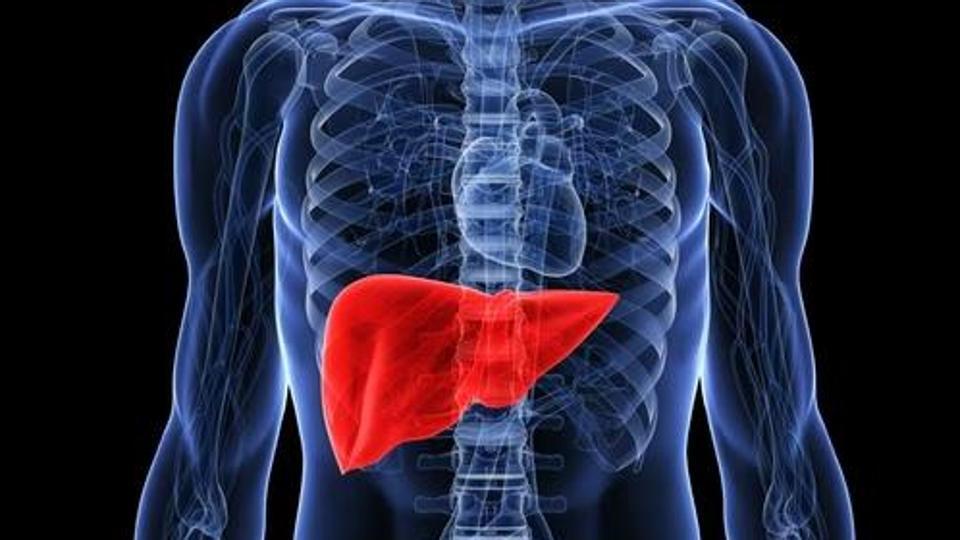
The majority of liver cancer cases can be prevented by reducing levels of viral hepatitis, alcohol consumption and MASLD (metabolic dysfunction-associated steatotic liver disease – previously called non-alcoholic fatty liver disease), it said.
Liver cancer is already a major cause of death and disability. Globally, it’s the sixth most common cancer and the third leading cause of death from cancer.
Previous analyses have predicted that the number of new liver cancer cases will nearly double from 870,000 in 2022 to 1.52 million in 2050, primarily due to population growth and ageing populations, with the largest increases expected in Africa. The number of deaths from liver cancer is predicted to grow from 760,000 in 2022 to 1.37 million in 2050, according to the analysis.
“Liver cancer is a growing health issue around the world. It is one of the most challenging cancers to treat, with five-year survival rates ranging from approximately 5% to 30%. We risk seeing close to a doubling of cases and deaths from liver cancer over the next quarter of a century without urgent action to reverse this trend,” said Prof Jian Zhou of Fudan University in China, in a statement.
The Commission highlights several ways to reduce these risks factors, including increasing the coverage of the hepatitis B vaccine and public health policies targeting obesity and alcohol consumption.
“As three in five cases of liver cancer are linked to preventable risk factors, mostly viral hepatitis, alcohol and obesity, there is a huge opportunity for countries to target these risk factors, prevent cases of liver cancer and save lives,” said first author, Stephen Chan, Chinese University of Hong Kong.
Changes in the causes of liver cancer
The Commission estimates that at least 60% of liver cancers are preventable via control of modifiable risk factors, including hepatitis B virus (HBV), hepatitis C virus HCV, MASLD, and alcohol.
The rate of MASLD-linked liver cancer is expected to rise over the next decade, particularly in the US, Europe, and Asia, due to increasing rates of obesity. MASH, a severe form of MASLD, is the fastest growing cause of liver cancer globally, followed by alcohol.
The Commission projects that the proportion of liver cancer cases associated with MASH is projected to increase from 8% in 2022 to 11% in 2050, and liver cancer cases associated with alcohol , from 19% in 2022 to 21% in 2050.
In contrast, the proportion of liver cancer cases linked to HBV is expected to decrease from 39% in 2022 to 37% in 2050, while HCV-related cases are projected to drop from 29% to 26% over the same period.
Also Read:7000 is the new 10,000 steps, finds study
“Liver cancer was once thought to occur mainly in patients with viral hepatitis or alcohol-related liver disease. However, today rising rates of obesity are an increasing risk factor for liver cancer, primarily due to the increase in cases of excess fat around the liver,” said commission author, Prof Hashem B El-Serag, Baylor College of Medicine, US.
Global targets and recommendations
The Commission estimates that if countries can reduce the incidence of liver cancer cases by 2 - 5% each year by 2050, it could prevent nine to 17 million new cases of liver cancer and save eight million to 15 million lives.
As more patients live with liver cancer than ever before, in addition to prevention efforts, there is an urgent need for increased research and attention for these patients to improve their quality of life, said the authors.
The Commission suggested several strategies for reducing the global burden of liver cancer, including gvernments intensifying efforts to increase HBV vaccination, implementing universal HBV screening for adults 18+, alongside targeted HCV screening in high-risk areas based on cost-effectiveness.
Policy makers should enact minimum alcohol unit pricing, warning labels, and advertisement restrictions for alcoholic beverages; national health authorities and cancer control programmes should prioritise investments in public awareness campaigns and deployment of early detection resources; professional organisations and the pharmaceutical industry should work together to reduce differences between Eastern and Western regions of the world in the clinical management of liver cancer, read some of the other recommendations.
“It has been well-established that fatty liver can lead to life-threatening complications. There has been an increase in cases, which is worrisome,” said Dr Pramod Garg, head of gastroenterology, AIIMS, Delhi, during a briefing on fatty liver on Monday.