Four of the top 10 food producing states of the country have been affected adversely by deficient, erratic and unevenly spread rainfall this year between June and September – the official southwest monsoon season which ended on Saturday.
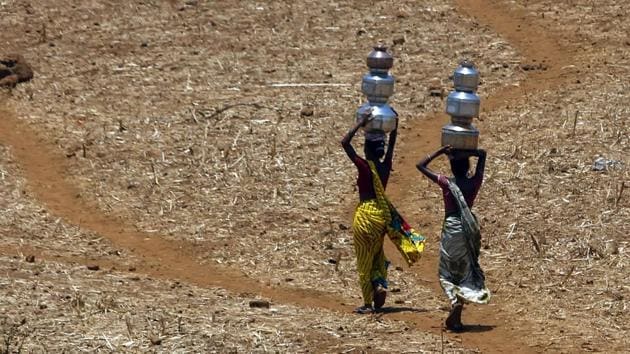
Though 24 states have received ‘normal’ rainfall, 12 others experienced either deficient rainfall – 20% or less than the normal levels -- or an excess of over 20%. The food bowl states of Uttar Pradesh, Madhya Pradesh, Haryana and Punjab received deficient rainfall (see box).
As many as 215 of 660 districts tracked by the meteorological department for rainfall data clocked a deficit of 20% or more till September 30. Fourteen states had a deficit of 10% or more.
Experts said both kharif and rabi season production will be hit because less rainfall during monsoon means poorer soil moisture for the winter season crop, sowing for which will start later this month.
While food security will not be gravely impacted, farmers’ distress and losses will likely increase and agriculture growth will go down compared to last year’s 4.9%, raising concerns of further sluggishness in the economy, they added.
“Expect agriculture growth to be around 3% or lower,” Siraj Hussain, former agriculture secretary, told HT. “One hopes that the farmers in rainfed areas like Madhya Pradesh have been given crop insurance.”
{{/usCountry}}“Expect agriculture growth to be around 3% or lower,” Siraj Hussain, former agriculture secretary, told HT. “One hopes that the farmers in rainfed areas like Madhya Pradesh have been given crop insurance.”
{{/usCountry}}Though the overall deficit in rainfall between June 1 and September 30 stands at 5% for the entire country, rainfall has been erratic in several parts, including large states, met department data shows.
Tamil Nadu, for instance, received 31% excess rainfall leading to flooding while Uttar Pradesh – the largest producer of kharif season food crops – has taken a severe hit with a 29% rainfall deficit. These deficiencies in other states have averaged out in the overall Long Period Average (LPA) of four months, masking the uneven spread of rainfall.
Agriculture ministry officials said the production of food during the kharif season will not go down sharply. “The reports from the states suggest that the crop condition is good and we will get high production,” agriculture commissioner SK Malhotra said. He, however, admitted that a fall in soil moisture is a concern for the rabi season.
“The rabi crop will also be affected. Good kharif rains provide residual soil moisture necessary for rabi sowings,” food policy analyst Devinder Sharma said.
Last week, the government had released the first advanced estimates for kharif food grains predicting the production could decline by nearly 4 million tonne to 134.67 MT this kharif season on account of poor rains as well as floods in some parts of the country.