E-Paper



Uttarakhand HC stays prosecution of Corbett ex-director, issues notice to state, CBI
Single bench of justice Ashish Naithani, while hearing the writ petition challenging the order on Wednesday, granted interim relief to former Corbett Tiger Reserve director Rahul

 Prefer HTon Google


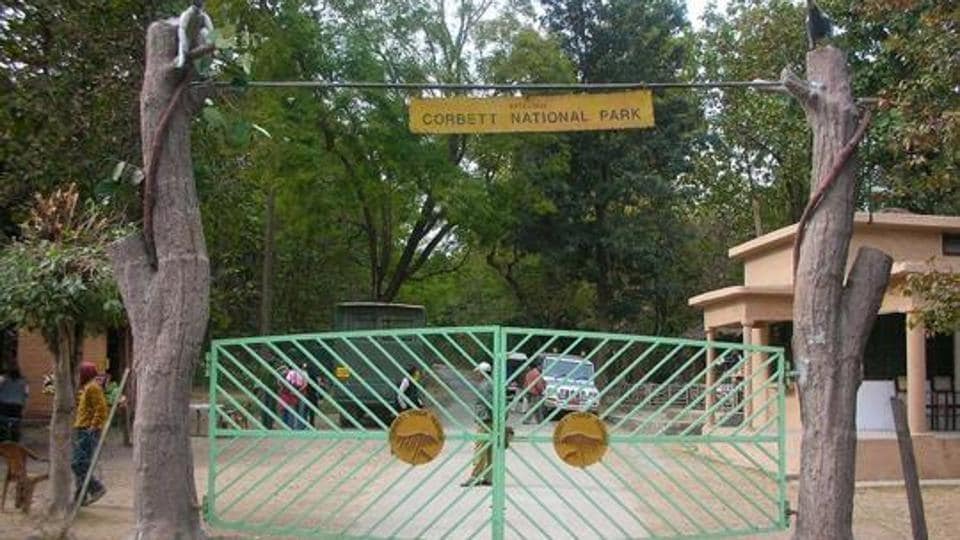
Dehradun: The Uttarakhand high court on Tuesday stayed the state government’s prosecution sanction order against the former Corbett Tiger Reserve director in connection with the Central Bureau of Investigation (CBI) probe into illegal tree felling and unauthorised construction for the tiger safari project in the reserve’s buffer zone.
The single bench of justice Ashish Naithani, while hearing the writ petition challenging the order on Tuesday, granted interim relief to the 2004-batch Indian Forest Service (IFS) officer Rahul and said that the matter involves “significant questions” concerning the competence of the authority to review its earlier decision to decline sanction without any fresh material.
The court directed that the operation, implementation, and effect of the September 16 sanction order will be stayed until the next hearing, and no coercive action will be taken against the petitioner. The state government and the CBI were asked to file their counter-affidavits within four weeks.
Listing the matter for final hearing on December 11, the court clarified it has not expressed any opinion on the case’s merits.
On September 16, the Uttarakhand government granted sanction to prosecute the former Corbett Tiger Reserve director for his alleged role in illegal tree felling and unauthorised construction linked to the tiger safari project in the reserve’s buffer zone. The move came a week after the Supreme Court pulled up the state for earlier denying sanction to prosecute officer Rahul, who was named as an accused in the CBI’s Corbett safari probe.
In its reply submitted to the Supreme Court, state forest department joint secretary Satyaprakash Singh said, “While respectfully maintaining before this court that the earlier decision to decline sanction was a bonafide decision, the state government has now taken a conscious decision to grant sanction to prosecute Sh. Rahul as requested by the CBI.”
Following this, Rahul filed the writ petition in HC seeking to quash the September 16 order.
Dushyant Mainali, counsel of the petitioner, argued that the impugned sanction order was passed in violation of settled legal principles and without jurisdiction. “We contended that the authority became functus officio (Functus officio refers to an officer or agency whose mandate has expired, due to either the arrival of an expiry date or an agency having accomplished the purpose for which it was created) once the State Government had earlier refused sanction on August 4. We also asserted that the subsequent reversal of the decision on the same material, without any new evidence or development, was ex facie illegal, particularly since the CBI had not challenged the initial refusal, allowing it to attain finality,” Mainali said.
Piyush Garg, counsel representing the CBI, argued that granting protection at this stage would effectively amount to staying the entire prosecution. Garg said that the impugned order was passed after due application of mind, considering the relevant materials and a legal opinion from the competent authority.
The HC in its order noted that the issues raised, including the legal tenability of the sanction reversal in the absence of fresh material, merit deeper examination. The court observed that the writ petition raises “substantial questions regarding the scope and ambit of the power under Section 197 of the Code of Criminal Procedure, 1973, and the procedural safeguards available to public servants.”
“Since these issues strike at the very root of the maintainability of the prosecution, it would be appropriate... to stay the operation of the impugned order until such questions are finally adjudicated,” the court said.