Ironically, in a village barely eight kilometres from the birthplace of Dr BR Ambedkar, a strong proponent of inter-caste unity, the Dalits in Mhow’s Harsola village are discriminated against by dominant OBC communities that force them to cremate their dead in a separate crematorium.
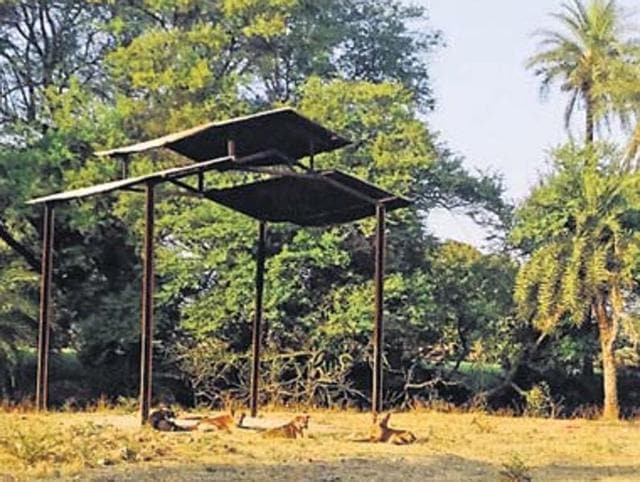
The dominant OBCs here — Malis, Patidars and Malviyas — prevent the Charmakars (mostly engaged in skinning animals and as cobblers) and the Bhangis (engaged in scavenging) from using the crematorium for performing last rites of people from their community.
Fear of oppression among the Dalits is so profound that they resist even venturing into the crematorium of the upper castes that refer to themselves as members of the ‘Swarna Samaj’ (golden society), a villager said.
Recalling an incident that took place about six months back, the villager said, “Once, members of the Balai community performed last rites of a person in the ‘Swarna Samaj’ crematorium — it became a big issue in the gram panchayat sabha.” The ‘Swarna Samaj’ community opposed the act, and viewed it as a major violation of their culture.
The Balais too fall under the Scheduled Castes (SC) but are not as discriminated against as the Charmkar or Bhangi communities because they are one of the dominant groups in the village.
{{/usCountry}}The Balais too fall under the Scheduled Castes (SC) but are not as discriminated against as the Charmkar or Bhangi communities because they are one of the dominant groups in the village.
{{/usCountry}}And the discrimination doesn’t end there. The various communities also live in well-demarcated settlements across the village.
Mohan Rao Wakode, secretary of Dr Baba Saheb Ambedkar memorial society in Mhow, accepted that the phenomenon was “widely prevalent”. He recalled that in August 2000, the Charmakars faced stern resistance over performing last rites of their dead in a crematorium in Gawli Palasia. The matter escalated to the extent that the local administration had to impose curfew.