India is readying to eliminate malaria, the mosquito-borne viral fever that sickens millions of people each year, by permanently stopping transmission across India. The government will launch a national framework on February 11 to eliminate malaria in the country.
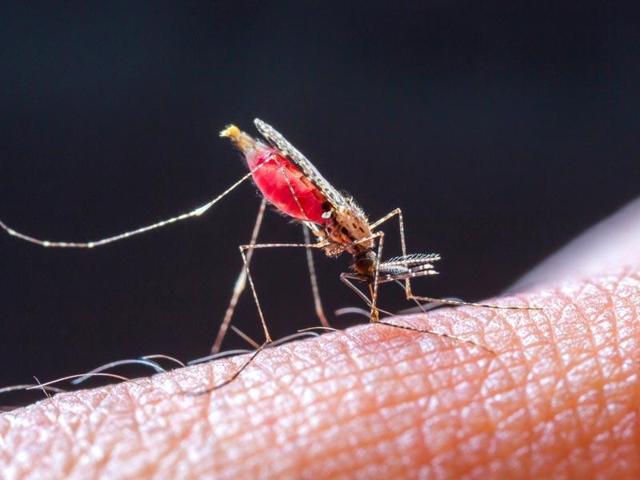
Diagnosing people with fever using rapid tests and treating those who test positive for malaria in the 11 endemic states in the north-east and the tribal belts in east and central India are some of the plans of the government.
Official government data shows malaria killed 273 people last year, which is less than half of 562 deaths in 2014.
“We were encouraged the decreasing malaria deaths and after a thorough analysis, reached to the conclusion that it is possible to eliminate the disease or at least begin the process of elimination,” said a senior health ministry official.
The project is part of the 12th plan document and will be implemented for the next five years. After five years, it will be halted briefly for a review and re-started with the feedback received from the agencies concerned.
According to World Health Organisation, creating a malaria-free environment requires four stages: Control, pre-elimination, elimination and prevention of reintroduction. The elimination project will begin in a phased manner and will be spearheaded by the Union health ministry’s experts from National Vector Borne Disease Control Programme (NVBDCP).
{{/usCountry}}According to World Health Organisation, creating a malaria-free environment requires four stages: Control, pre-elimination, elimination and prevention of reintroduction. The elimination project will begin in a phased manner and will be spearheaded by the Union health ministry’s experts from National Vector Borne Disease Control Programme (NVBDCP).
{{/usCountry}}“We have the skills and wherewithal to tackle the disease. The medicines are working well for both the malaria strains that are prevalent in the country. The bivalent rapid diagnostic kits have a simple-to-use technique that can be used even by primary health workers with minimal training,” said an NVBDCP expert.
In the first phase of the project, states like Jammu and Kashmir, Himachal Pradesh and Punjab will be covered. “Tribal pockets will need intense work. We have augmented our resources keeping in mind the need of the programme,” said the official.