
 E-Paper



Decoding between machine-made and handmade ceramic tableware: Pottery artist weighs in with her insights
Handmade or machine-made? This piece explores how our tableware choices shape our homes and habits, through insights from potter and ceramic artist Shuchika.

 Prefer HTon Google


In a world where everything is expected to be new, improved, and ready for social media, our homes are quietly losing their soul. More specifically, our tables are. The idea of collecting beautiful pieces with care and intention is fading. Instead, we find ourselves swept up in a race to keep up with trends. Tableware, once a quiet symbol of thought and hospitality, is now just another item to buy, use, and eventually replace.

There was a time when certain crockery was pulled out only on special occasions. It carried meaning. It was stored with care, and its use reflected something deeper than convenience. Today, the everyday plates on our tables often come without a story. What we’ve gained in access, we seem to be losing in connection.
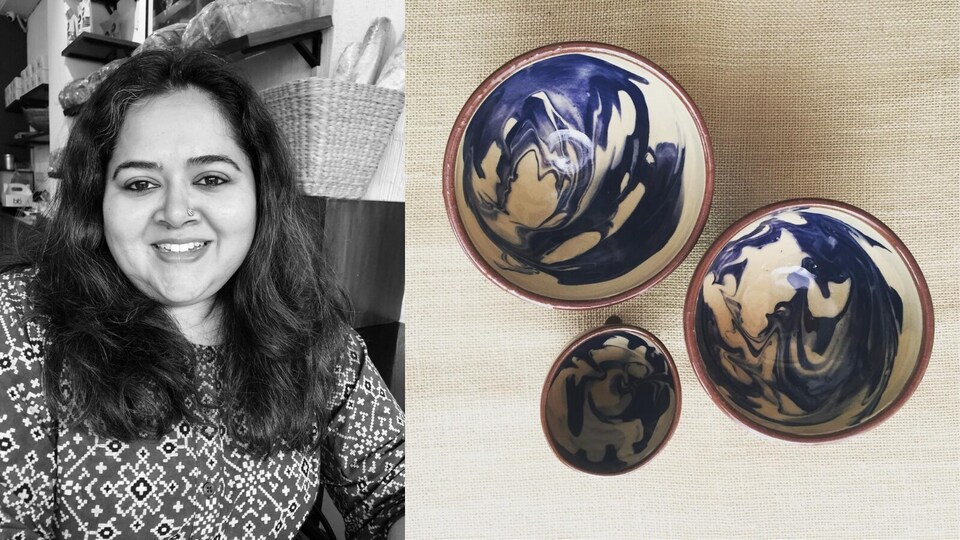
Studio potter and ceramic artist Shuchika Rathod, who co-founded Koozagari Studio in Bhopal, has worked with clay for over a decade. She shares that the difference between handmade and machine-made ceramics begins long before a piece reaches the table. For a studio potter, working with clay is a process led by instinct, habit, and touch. A coffee mug, for instance, is shaped not just for how it looks but for how it feels in the hand, how the lip rests on the mouth, how the weight shifts when it’s lifted and set back down. Slight warps and curves are not mistakes. They are natural outcomes of hand and material responding to each other in real time.
What does uniformity really cost us?
Machine-made ceramics work differently. They aim to replicate. Clay is pressed into identical moulds, run through predictable systems, and fired in kilns controlled by machines.
“The imperfections are so desired nowadays that machines are being tweaked to mimic them,” Shuchika points out. “But when every piece has the same dent in the same place, it loses its meaning.”
There is also a difference in what these pieces ask of us. Mass-produced ceramics are designed to be replaced. They invite casual use and casual disposal. Handmade ceramics create a different relationship. “They are cherished and taken care of. They’re built to last,” she says. In that sense, they resist the pace of fast living and fast discarding.
How do handmade ceramics hold up in real life?
One of the biggest misconceptions about handmade ceramics is that they are fragile or impractical. As Shuchika explains, studio pieces fired at high temperatures are far from delicate. They’re:
- Oven-safe and dishwasher-friendly
- Non-toxic and food-safe
- Built with everyday use in mind, often sturdier than mass-market versions
- Designed ergonomically, with comfort and weight distribution factored in
She shares that chefs often commission specific pieces, from green bowls for yellow curry to textured holders for small-plate dining. These aren’t just pretty objects. They serve, and they serve well.
The sustainability layer
Environmental impact is another factor where the difference between the two types becomes hard to ignore. Large factories involved in ceramic production consume more energy and create far more waste. Broken or unsold stock often ends up in landfills.
In contrast, small studios like Shuchika’s work with tight control.
“ We make in small batches. We reuse everything we can. Leftover glazes are tested and turned into one-off pieces. Nothing is wasted if we can help it.”

What are you paying for in handmade ceramics?
Cost often becomes the deciding factor. A handmade bowl may be five times the price of a factory-made one, but that number doesn’t tell the full story. What you're paying for includes:
- Hours of skilled, manual labour that go into shaping, finishing, and firing each piece.
- High-quality, durable materials selected for strength and safety.
- Maintenance of tools and kilns, which are expensive to run and essential to the process.
- Years of hands-on learning, trial, and refinement by the maker.
- A sense of longevity and emotional connection that machine-made pieces rarely offer.
A handmade piece rarely gets tossed out at the first chip. It is often kept, remembered, and reused. Even mismatched sets find a way to live together, forming a table that feels personal rather than perfect. That’s the quiet value of pottery built with memory.
A home doesn’t come together in a single shop. The most loved tables are often collected slowly. A blue plate from Jaipur, indigo glasses picked up in Greece, a white porcelain bowl found in a market in Gujarat. These pieces carry their own stories, chosen one by one, shaped by memory rather than trends. That is the real charm.
As Shuchika says, “The most sustainable choice is the one that aligns with your values. For me, it’s about crafting something with care, knowing it will last and bring joy.”
In a life flooded with trends, maybe it’s time to pause and ask a quieter question. What kind of pieces do we want to pass on?
Similar articles for you
Why vintage decor is making a comeback: Textile museum designer Ravisha Merchant weighs in
Best mattresses for a peaceful and comfortable sleep; Here are our top 8 picks for you
Mattress matters: Find your dreamy match made in heaven; Nap like a champ!
Handmade ceramic tableware: FAQs

The author of this article holds a Master's Degree in Interior Design and has spent over a decade in research, teaching, and designing homes from scratch.
Disclaimer: At Hindustan Times, we help you stay up-to-date with the latest trends and products. Hindustan Times has an affiliate partnership, so we may get a part of the revenue when you make a purchase. We shall not be liable for any claim under applicable laws, including but not limited to the Consumer Protection Act, 2019, concerning the products. The products listed in this article are in no particular order of priority.


