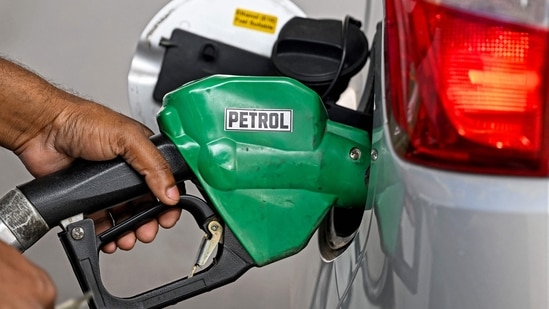
Every day, we do certain things we accept as normal but never question why. One of those activities is switching off our vehicle at the petrol pump station. But have you ever wondered why the staff at a petrol pump ask you to do the same? We are here to answer that question for you:
Also Read | Everyday explained: Why do airplane windows have rounded edges?
Why do petrol pumps ask you to switch off your engine?
It is quite a standard procedure for a car or motorcycle driver to be asked to switch off their engine while refuelling at a petrol pump. However, many people don't turn off their engine while refuelling because they don't know why they have to.
For most of us, stopping at a petrol pump to refuel the tank is just another pit stop in our busy lives – a quick pause before we rush off to our next destination. Every petrol station is designed to minimise risks, but it’s up to each visitor to follow safety guidelines to ensure a safe environment for everyone. Therefore, it is important to know why you have to kill the engine, as keeping the engine running while refuelling is a common oversight but carries serious risks, such as:
- Fire hazard: Gasoline is highly flammable, and a running engine poses a risk of fire or explosion when gas vapours escape into the air and ignite from heat or the exhaust system.
- Protect your vehicle's fuel system: Keeping the engine running can cause electronic fuel pumps and sensor systems to behave irregularly, leading to fuel overflow or pressure issues.
- Static electricity risk: Cars generate static electricity, which can cause dangerous sparks when combined with gasoline vapours.
Why is it critical?
{{/usCountry}}- Fire hazard: Gasoline is highly flammable, and a running engine poses a risk of fire or explosion when gas vapours escape into the air and ignite from heat or the exhaust system.
- Protect your vehicle's fuel system: Keeping the engine running can cause electronic fuel pumps and sensor systems to behave irregularly, leading to fuel overflow or pressure issues.
- Static electricity risk: Cars generate static electricity, which can cause dangerous sparks when combined with gasoline vapours.
Why is it critical?
{{/usCountry}}When your vehicle’s engine is running, it generates heat and may spark. Combined with petrol vapours, this can lead to accidental ignition. For this reason, turning off your engine is one of the most important safety protocols at petrol pumps.
Moreover, Indian petrol stations require vehicles to have their engines switched off during refuelling. Failing to do so not only endangers safety but can also result in fines or refusal of service.
Key things to remember at petrol stations
Therefore, when you are refuelling, it is important to remember a few key things.
- Ensure everyone remains seated or away from the vehicle while refuelling.
- No smoking or phone usage.
- Do not overfill the fuel tank.
- Turn off your vehicle’s engine.