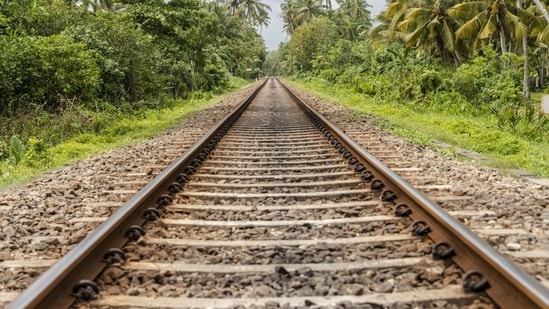
If you have ever looked out of a train window, you may have noticed a thick layer of small stones spread beneath and around the railway tracks. They might look like ordinary gravel, but these stones serve an important engineering purpose. From keeping the tracks stable to helping rainwater drain away, they play a crucial role in railway safety. So, why do railway tracks need these stones, and what would happen if they were not there? Let’s find out. (Also read: Everyday explained: Why do websites ask you to accept or reject cookies? )
What are the stones on railway tracks called?
The stones placed beneath and around railway tracks are known as track ballast. They are generally made from crushed, hard rocks that form a supporting bed beneath the railway sleepers — the crosswise supports that hold the rails in position and maintain the correct distance between them.
According to the Research Designs and Standards Organisation (RDSO) of Indian Railways, ballast serves several functions, including providing a level bed for sleepers, holding them firmly in position, preventing their movement and ensuring proper drainage. It also helps distribute the load from train wheels over a larger area of the ground.
How do stones keep railway tracks stable?
Trains exert enormous pressure on the tracks as they move. Ballast distributes this load over a wider area and helps prevent the sleepers from shifting under repeated pressure. The stones are angular rather than smooth because their rough edges interlock, improving track stability.
According to RDSO, good-quality ballast should be strong, durable and angular enough to provide stability and withstand heavy loads.
{{/usCountry}}According to RDSO, good-quality ballast should be strong, durable and angular enough to provide stability and withstand heavy loads.
{{/usCountry}}Why is drainage important for railway tracks?
Rainwater accumulating beneath railway tracks can weaken the soil and affect the stability of the track bed. The gaps between ballast stones allow water to drain away, helping protect the foundation from water-related damage.
Ballast also makes it harder for weeds to grow by covering the soil, although vegetation can still develop when dirt and organic material accumulate between the stones.
What would happen without these stones?
Without ballast or another suitable supporting structure, conventional railway tracks would be more vulnerable to shifting, uneven settling and drainage problems. This could increase maintenance requirements and affect safe train operations.
However, some railway lines use slab track, which supports rails on a rigid concrete structure instead of loose stones.
So, the next time you look out of a train window, remember that these ordinary-looking stones perform an essential job: they help keep railway tracks stable, well-drained and ready for the weight of passing trains.