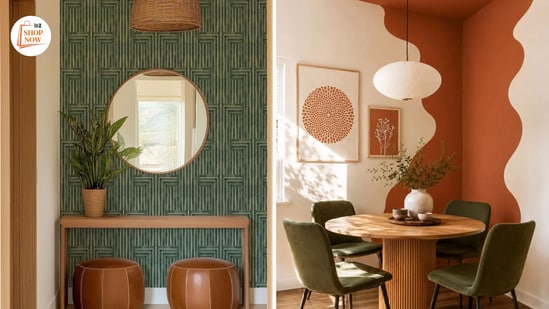
Contemporary home design is no longer just about creating visually great-looking spaces. Homeowners are increasingly looking for interiors that blend both aesthetics with comfort, functionality and personal expression. While statement walls can make a room look good, subtle textures bring depth and character without making the space look visually overwhelming. But does choosing one mean you have to compromise on the other?
According to Priyanka Sinha, Founder of The Opulence Interior Design Studio, a well-designed home is not defined by the number of decorative elements it contains but by how thoughtfully each element contributes to the overall ambience. Statement walls and textures can work together when introduced in the right proportions, helping create interiors that feel cohesive, inviting and timeless.
The appeal of statement walls
A statement wall can transform an simple room by introducing colour, patterns or architectural details. It creates a focal point, adds visual interest and gives the space a distinct identity. Homeowners can experiment with several options, including textured paints, wallpapers, decorative tiles, wooden panels, stone cladding and contrasting colour schemes. In the living room, the wall behind the sofa or television can serve as a feature wall, bringing character to the space. Similarly, in a bedroom, a statement wall behind the bed can help define the sleeping area and make it the central visual element of the room. However, the scale and design of a statement wall matter. In smaller rooms, heavily detailed patterns, darker shades or oversized features can make the space feel crowded. Instead of enhancing the interiors, they may compete with other elements in the room. Choosing a design that complements the room's dimensions, furniture and existing colour palette can maintain visual balance.
The understated elegance of textures
While statement walls draw attention, textures introduce depth in a more subtle way. They add visual interest through variations in surface finishes, materials and patterns without necessarily relying on bold colours or dramatic designs. From textured plaster and natural stone to linen upholstery, wooden furniture and woven fabrics, there are several ways to introduce texture into contemporary interiors. Even a neutral room can feel layered and inviting through a combination of matte-painted walls, natural wood finishes, soft furnishings and accessories made from natural fibres.
Textures are particularly suitable for homeowners who prefer understated interiors but do not want their spaces to look flat. For instance, a room with warm white walls can feel more inviting when paired with textured curtains, upholstered furniture, wooden accents and natural-fibre accessories. The idea is to create depth through different materials and finishes rather than introducing too many colours or decorative elements. This allows the room to maintain a calm aesthetic while feeling warm, comfortable and visually interesting.
How to find the right balance between statement walls and textures
A thoughtfully designed interior does not necessarily require choosing between a statement wall and subtle textures. Both can coexist when one element is allowed to take the lead while the other complements it. For instance, if the living room features a terracotta statement wall, it can be balanced with neutral beige home decor items, textured curtains and wooden furniture. These elements soften the overall appearance while allowing the feature wall to remain the focal point. Alternatively, homeowners who prefer a more neutral colour palette can introduce a statement element through fluted wooden panels, textured plaster or stone finishes against warm white walls. This creates visual interest without making the room appear too busy.
{{/usCountry}}A thoughtfully designed interior does not necessarily require choosing between a statement wall and subtle textures. Both can coexist when one element is allowed to take the lead while the other complements it. For instance, if the living room features a terracotta statement wall, it can be balanced with neutral beige home decor items, textured curtains and wooden furniture. These elements soften the overall appearance while allowing the feature wall to remain the focal point. Alternatively, homeowners who prefer a more neutral colour palette can introduce a statement element through fluted wooden panels, textured plaster or stone finishes against warm white walls. This creates visual interest without making the room appear too busy.
{{/usCountry}}Room dimensions should also influence the home design approach. In smaller spaces, carefully placed statement finishes can add character without compromising the feeling of openness. In larger rooms, a combination of varied textures and focal points can prevent the interiors from appearing empty or overwhelming. Lighting is another important consideration when working with statement walls and textures. Natural light can highlight subtle variations in textured surfaces throughout the day, while strategically placed artificial lighting can bring attention to stone cladding, wall panels and architectural details. Planning the lighting alongside the material and finish selection can help achieve a better result.
Design your interiors around your lifestyle and personality
Before selecting statement finishes or experimenting with textures, homeowners should consider their everyday routines, preferences and the way they use different spaces. While some may enjoy vibrant interiors with bold colours and layered textures, others may prefer a relaxed setting with minimal decoration and understated finishes. Material selection is equally important. The finishes should complement the purpose of the room while meeting practical requirements such as durability, maintenance and everyday usability. For instance, a frequently used living room may require materials that are easy to maintain, while bedroom interiors can prioritise softer finishes and comfortable fabrics. Rather than following a one-size-fits-all design approach, homeowners should understand their space and choose materials that offer the right combination of aesthetics and functionality.
Statement walls and subtle textures serve different purposes in contemporary home design. While statement walls create emphasis and establish a focal point, textures bring warmth, depth and character to the interiors. When used thoughtfully, they can complement each other to create a home that feels personal, balanced and timeless.
Frequently Asked Questions:
1. What is the difference between a statement wall and a textured wall?
2. Are statement walls suitable for small living rooms?
3. How can I add texture to a living room without making it look cluttered?
Disclaimer: At Hindustan Times, we help you stay up to date with the latest trends and products. Hindustan Times has an affiliate partnership, so we may get a part of the revenue when you make a purchase. We shall not be liable for any claim under applicable laws, including but not limited to the Consumer Protection Act, 2019, with respect to the products. The products listed in this article are in no particular order of priority.