
 E-Paper



Extra drama: Why are tips becoming the norm with online payments?

 Prefer HTon Google


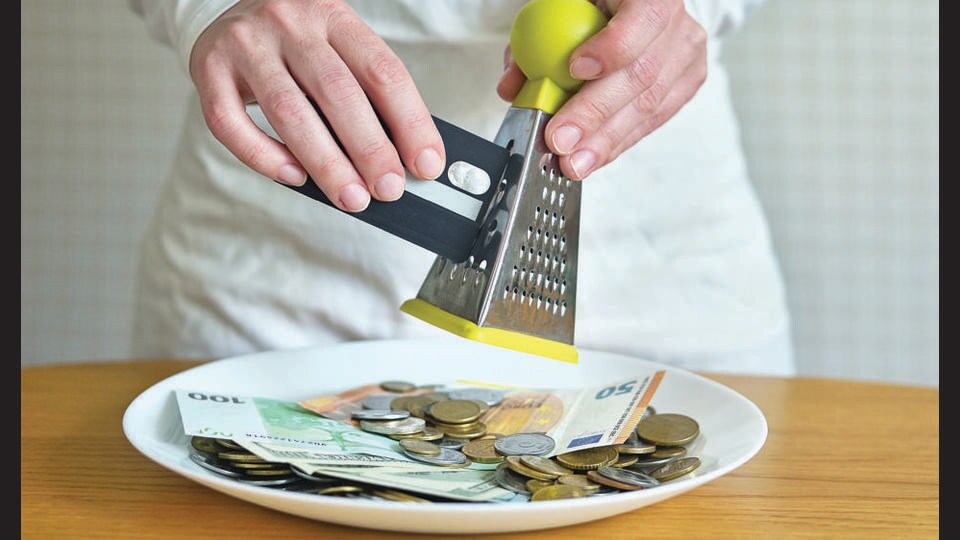
Service charges, platform fees, convenience costs... we’re tired of being tricked into tipping. Stay vigilant, and know where your money’s going
Cringe, we know. But who knew that Friends would have so many references to tipping. In an early season, when Rachel (then a waitress) goes out to dinner with her dad and new beau, Ross, her rich father is shown to be a poor tipper. In a later episode, when Monica is waitressing at the diner, a flirty customer leaves her a $20,000 tip. No cap – he turns out to be a tech millionaire. Chandler tries (and fails and fails) to smoothly pass a $20 into a head-waiter’s palm to score a table at a sold-out restaurant. Ross tries tipping the building’s superintendent, hoping he’ll fix the girls’ radiator (Doesn’t work, the guy prefers cookies!). Joey? He always tips the little guy.
Even without the laugh track, it was a simpler time. Tipping was the extra reward we willingly paid for outstanding service. No one had to trick us into it.
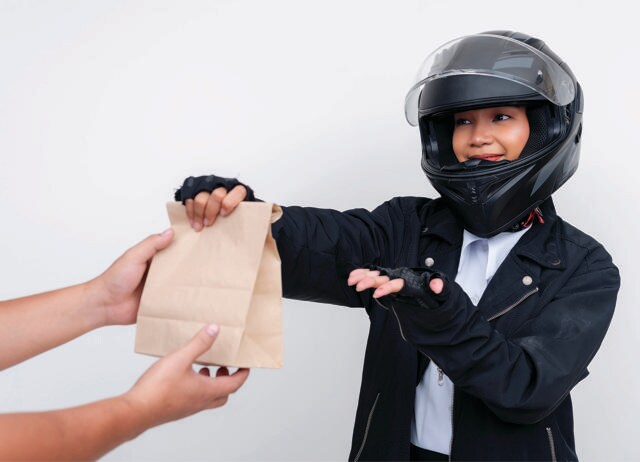
Now, however, we’re leaving a built-in 7% to 15% service charge at bougie cafes (regardless of the quality of service, regardless of how much service was delivered, even if the water glass remained unfilled). We’re also expected to tip Uber and Ola drivers outright, to make them more likely to pick our ride requests. AirBnBs charge a cleaning fee even though we’re expected to do our own dishes at their drippy sinks. Delivery service riders are deliberately underpaid so they remain dependent on each customers’ voluntary generosity. Hair dressers, valets, fast-fashion cashiers, movers and packers, hotel housekeeping, cylinder delivery, bathroom attendants, the person who drives the buggy from check-in counter to Gate 34, the guy who inflates tyres – everyone with a paying job is now expected to supplement their income with tips. The guilt transfer from exploitative employer to guilt-ridden end-user is now complete. Did you hear the ping?
A hidden charge is bad enough: A platform fee to use a quick-delivery app, an access fee to use airport premises, a convenience fee to book a movie ticket online, a different convenience fee when you pay in person at the box office, a digital fee to withdraw your own money from an ATM. That’s money going to a faceless, sneaky organisation. But involving a struggling low-rung worker who didn’t make the rules but has the most to lose? It’s giving new icks.
Let’s break it down with, say, a repair service. The app that lets you book a carpenter is convenient. Hence the convenience fee. He does the work. Hence the payment for the service. He does stellar work, as carpenters usually do. Of course, he deserves a tip. But here’s the niggle: Why charge a customer, on the app with the bosses watching, at the time of booking and not after the work is done?
Laywer and content creator Tanya Appachu Kaul (@YourInstaLawyer) says that the new practice of adding upfront tips is a strategy to provide seemingly low-cost services while charging more through tips. Unfair? Yes. Legal? Also yes. “Unless there is better standardisation of salaries and minimum pay, I don’t think the government can abolish tipping in the service industry,” she says.
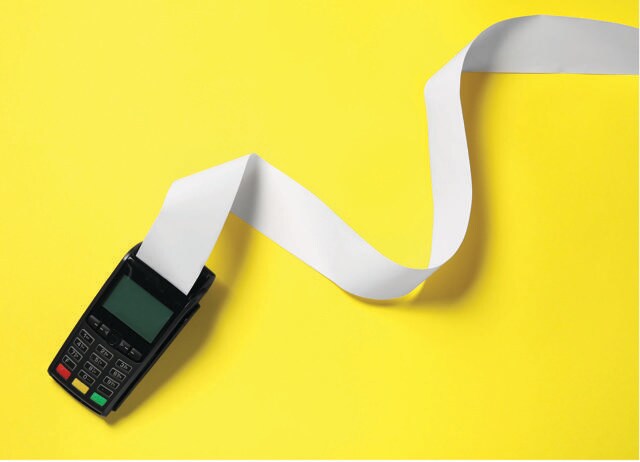
Governments internationally are clamping down on these hidden charges. In the UK, it is now mandatory that 100 per cent of all tips, gratuities and service charges left by customers go to the staff. India is paying attention too. Last month, Ola Cabs, Uber and Rapido’s advance-tipping feature was criticised by the Central Consumer Protection Authority. The practice is starting to be seen for what it is: A bribe disguised as a tip.
“Forcing or nudging users to pay a tip in advance for faster service is unethical and exploitative,” Union Minister for Consumer Affairs, Pralhad Joshi said. “Such actions fall under unfair trade practices. A tip is meant to be a token of appreciation, not a precondition for service.” Besides, there’s no public data that paying the fee improves one’s chances, anyway. It means that the app is probably exploiting behavioural psychology to drive higher payments.
Let’s do the math, shall we? The customer pays more. The worker stays poor. The laws remain unchanged. Only one group wins. No tips for guessing.
From HT Brunch, June 07, 2025
Follow us on www.instagram.com/htbrunch


