
 E-Paper



Fashion: ‘Cos small weddings are beautiful

 Prefer HTon Google


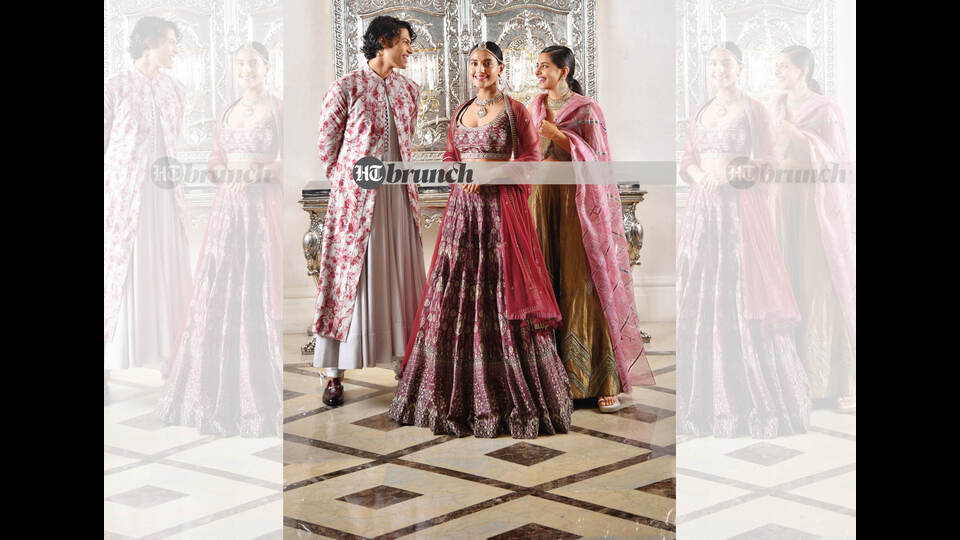
Presenting the new post-pandemic avatar of the lavish, big fat Indian wedding: small, intimate, and special!
The big, fat Indian wedding has morphed into an intimate gathering that lasts for no more than a few hours, if not a day, in the wake of the global pandemic.
“However, in Vedic times, too, marriages were extremely simple. The brides and grooms wore mostly unstitched clothing and the emphasis was on gold ornaments. Besides, there was also what was called a gandharva vivaah, where the couple simply exchanged garlands before a deity to become man and wife,” says fashion designer Madhu Jain, who adds that later, weddings developed into a show of status, power and wealth of a family, caste or class.
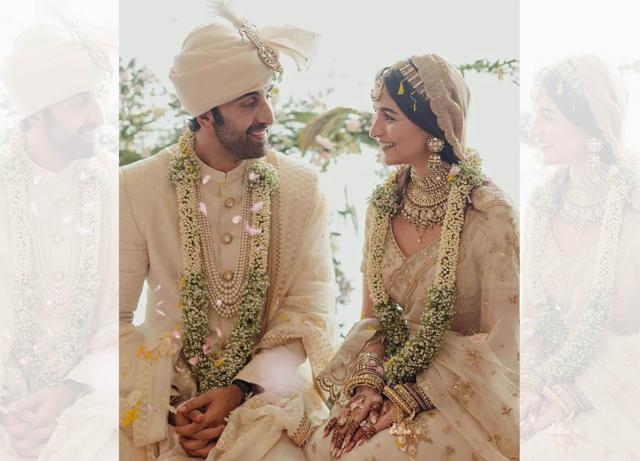
“If you came from a royal family, the embellishments were of real gold and pure silver—mainly gota, which was woven into ribbons,” says designer Ritu Kumar. “And this was the kind of gold and silver you could melt down and reuse over the years. It was almost a part of the dowry, like jewellery. So, whatever you used on the wedding dress was recyclable as gold and silver. The colours were festive and symbolic of fertility. There was always gold, ochre, red or shocking pink and very rarely you’d see anybody at weddings (at night, in front of the fire) wearing white, which in India is considered to be a colour of mourning, as is black,” she continues, adding, “If you were poorer, they were innovative trends like the bandhini or ochre tie-dyes, which were similarly festive, but without gold and silver.”
In essence, people preserved generations of symbolic clothes that were passed down, for weddings. “Then, the new trend of wearing cocktail gowns etc. came in with fashion trends that came in to India about 20 years back, and got to a really high point where five-day weddings, cocktail weddings, bachelor parties were added. That’s when variations started coming in like pastel colours and more tulles. But even today, the erstwhile royalty wear their own traditional things. The oldest wedding costume I saw was in the late 17th century, and that was an Awadh royal costume that’s in the Victoria and Albert Museum,” says Ritu.
How to let the brocade do the talking on your wedding day
By Nidhi from Pankaj and Nidhi
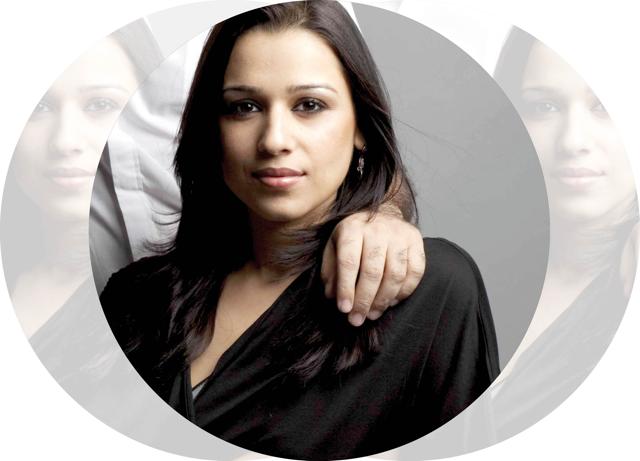
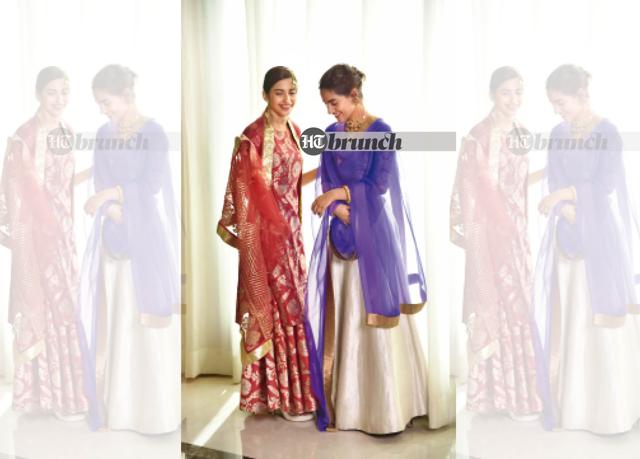
1. To put a full brocade look together, the weaving pattern should be pleasing and not too big, otherwise it may look overpowering as a full top-to-bottom look. So, when pairing a single garment, team it with solid chanderi or silk that complements the brocade.
2. Muted tones like sage green, beige-gold, old rose and deep wine look beautiful.
3. Brocade suits everyone; it’s a gloriously beautiful and elegant textile.
4. Traditional jewellery like gold jhumkas, and kundan and polki go well.
5. Kohl and a bindi kind of make-up works the best with brocade bridalwear. Avoid overpowering make-up like glittery eyes.
The wedding gown for your intimate garden wedding
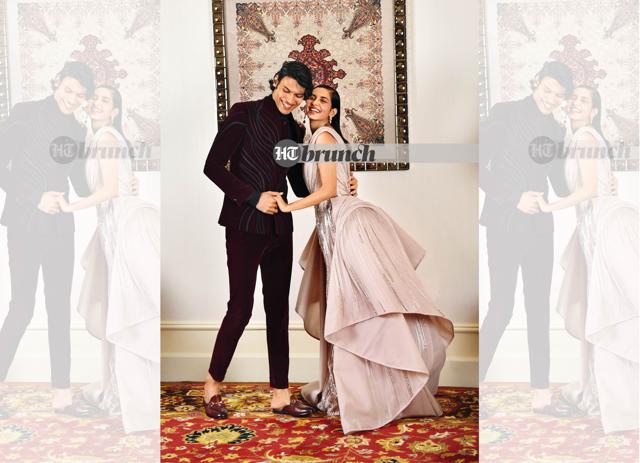
Five things to keep in mind when picking a wedding gown
By Varun Bahl

1. The single most important thing to keep in mind when wearing a gown on your wedding day are the two Cs: comfort and confidence. So, zero in on an outfit that is an amalgamation of both.
2. Choose from princess-cut to mermaid and ballroom style to empire-cut gowns. Playing around with dramatic sleeves, plunging necklines and extravagant trails can further add a grand dimension and character to these silhouettes.
3. For embellishment, go for appliqué work. When done using crystals and beads, it weaves its magic very well on wedding gowns.
4. Do away with over-accessorising as it takes away from the original language of the outfit and its elements.
5. Go for jewellery in contrasting stones with the colour of your outfit. Diamonds are the safest, but I love blue sapphires and emeralds too.
White’s no longer inauspicious and looks grand in cotton
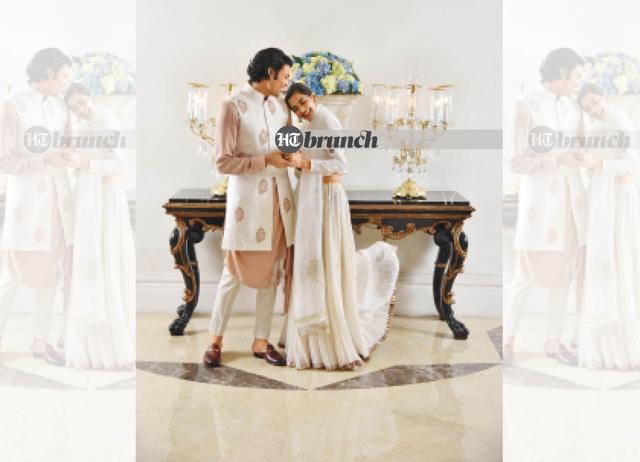
The art of mastering white wedding-wear
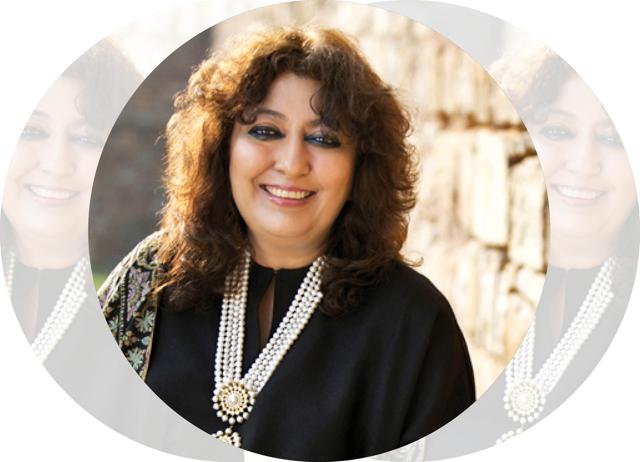
By Madhu Jain
For her
1. With careful planning, a white lehenga set can speak volumes, through, perhaps a lehenga-sari hybrid.
2. A chikankari skirt is a good idea as the embroidery will ensure that creases don’t
show up.
3. Wear a matching maang tika and hath panja, a waist belt and thick anklets to complete the look.
For him
1. Opt for embossing or embroidery on the coat in tones of ivory and white. For a dash of colour, do an ombre pagri and stole.
2. Moroccan pants, churidars, Aligarhi pyjamas, or a styled dhoti can work for bottomwear.
3. Contemporise and individualise the outfit by making the sherwani almost jacket-like and pair it with pants.
4. Accessorise with sherwani buttons in kundan, uncut diamonds or coloured, faux jewels. Matching buttons down the front and on the cuff can look striking. Wear a turban ornament to match the buttons.
Humble prints can be as impactful as embroidery for cosy weddings
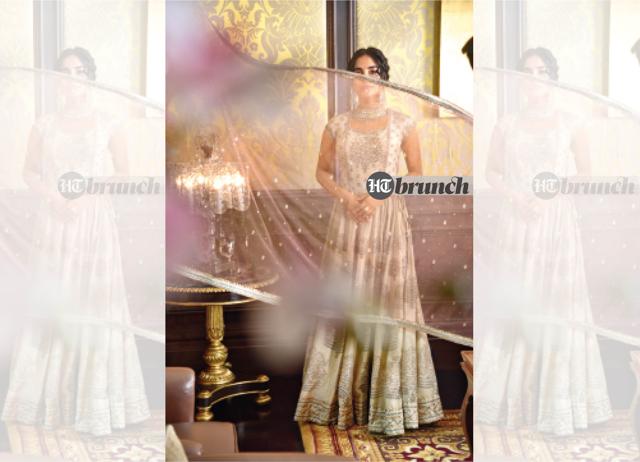
Five ways to swap heavy embroidery with prints
By Rahul Mishra

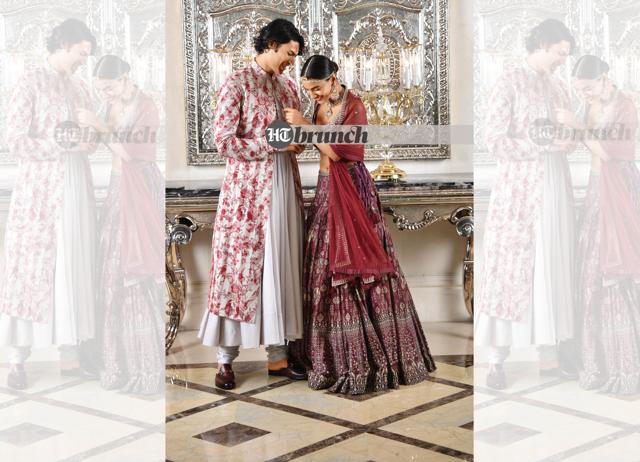
1. Elaborate weaves, intricate block prints and several tie-and-dye based crafts may be considered to replace traditional embroidered wedding attire.
2. Add highlights of colourful or metallic embroidery, such as aari work or zardozi over the motifs of the print, to elevate the texture and the look of the garment. An embroidered blouse or dupatta also pairs well with a printed look.
3. This look here complements the height of the wearer, so I believe it suits someone who is tall and particularly slim, in a better way.
4. Considering that the outfit has strong visual language already, too much jewellery might distract from the bride’s smile and add to her discomfort.
5. I also recommend light dewy make-up for this particular look, so that nothing overpowers her personality.
6. While soft shades have taken centre stage, complemented with mindful craftwork, statement hues also find their relevance. Another highlight is the monochromatic look, which is versatile and allows for a lot of experimentation.
A lightweight lace lehenga works well for a day-long wedding
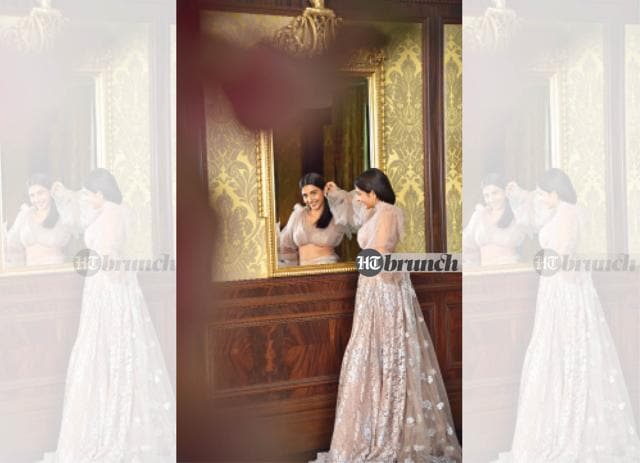
How to make the most of a lace lehenga on your wedding day
By Nida Mahmood
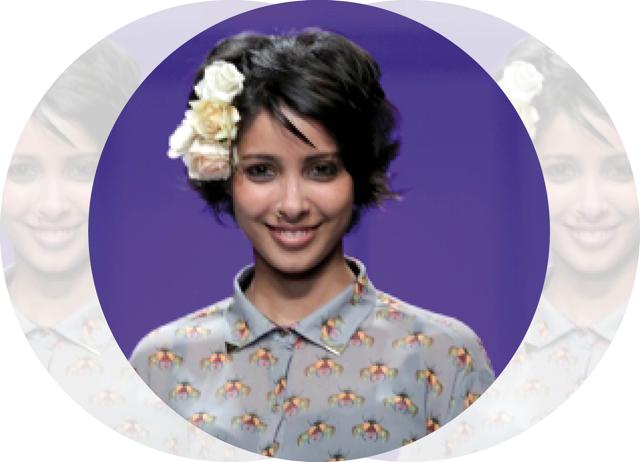
1. When going for a lace lehenga for your wedding day, choose a colour that highlights your skin tone. So, while light-skinned people can opt for a wider range of colours, brighter colours complement darker skin tones.
2. Opt for a satin-finish choli or top for it to complement your lace lehenga.
3. Lace is workable for everyone if you opt for the right embroidery on the right colour. Antique gold embroidery generally looks beautiful on all colours.
4. Opt for jewellery with vintage designs if your lace lehenga has antique hand-embroidery and if it has crystal embroidery, then go for modern jewellery.
From HT Brunch, April 23, 2022
Follow us on twitter.com/HTBrunch
Connect with us on facebook.com/hindustantimesbrunch


