
 E-Paper



The wedding, secret lunch and Barcelona coup: How Rodri slipped from Real Madrid’s grasp
Barcelona beat their arch-rivals to secure Rodri's signing from Manchester City in a deal that could be worth up to €76.5 million including add-ons.

 Prefer HTon Google


The confetti from Spain's FIFA World Cup triumph had barely settled this summer when speculation emerged that Golden Ball winner Rodri was expected to leave Manchester City for Real Madrid. The Spain captain had even described a move to the Santiago Bernabéu as a “dream move”.
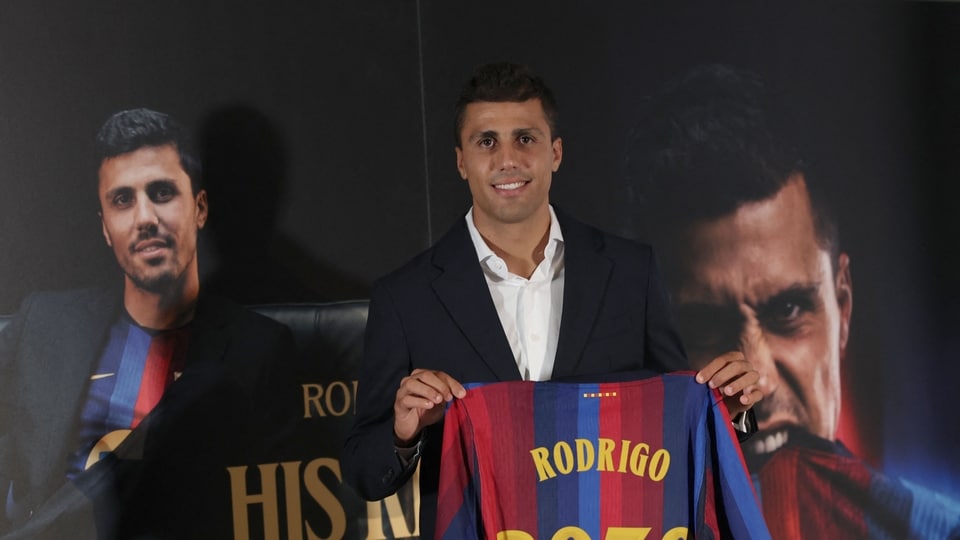
But plenty changed in the weeks that followed. Almost two months after Spain beat Argentina in New Jersey, Rodri officially signed for a new Spanish club, but it was not Real Madrid.
Barcelona beat their arch-rivals to secure the midfielder's signing from Manchester City in a deal that could be worth up to €76.5 million (£65.3 million; $87.8 million) including add-ons.
By late July, rumours surrounding Rodri's move to Madrid were gathering pace. According to sources who spoke to The Athletic, Real Madrid considered his arrival almost a done deal, despite the club having not yet established contact with Manchester City. There was a growing confidence within the Madrid camp that the transfer would eventually happen.
Around the same time, Rodri was holidaying on the picturesque Costa Brava, just a two-hour drive from Barcelona, where he was attending the wedding of Dani Codina, an old friend who is now Barcelona's chief of operations and player services.
Codina had previously worked at Manchester City in the same role, during which time he became close to Rodri, before returning to Spain in 2025.
Rodri had arrived in the area with time to unwind, but he also had a piece of business to take care of. That led him to a restaurant in Begur called Can Pitu, away from the usual hustle and bustle and, crucially, a place where he could meet someone discreetly.
According to The Athletic, Rodri had specifically sought “a discreet spot to meet somebody for lunch, emphasising that he absolutely had to go unnoticed”.
A few minutes after Rodri arrived, Barcelona sporting director Deco joined him.
Amid all the speculation about a move to Madrid, it was a potentially significant meeting, and one Rodri clearly did not want attracting attention.
The narrative began to shift around the wedding, with rumours of a potential Barcelona move gathering momentum. Weeks later, video footage of Rodri singing and dancing to Barcelona songs at the party went viral, providing another clue about where his thinking may have been heading.
Behind the scenes, discussions between Barcelona and Manchester City began to take shape.
On August 5, Deco travelled to Madrid for another key meeting, around the same time reports began to emerge that Rodri was increasingly likely to snub Real Madrid.
The speculation intensified after new Madrid manager Jose Mourinho signed Yan Diomande from RB Leipzig in a deal worth up to €140 million. Yet even then, Barcelona were not ready to celebrate.
The Catalan club wanted to handle the Rodri situation with extreme caution, particularly after what had happened in their pursuit of Bernardo Silva earlier in the summer.
Barcelona had contacted the Portuguese midfielder about a move after his Manchester City contract expired and believed they were close to completing the deal. Bernardo, however, ultimately chose Real Madrid.
That experience made Barcelona cautious with Rodri.
This time, they wanted assurances that the player was fully committed to joining them before entering formal negotiations with Manchester City.
Sources told The Athletic that Rodri eventually agreed to move to Barcelona because of “how they play”, believing their style would suit his game and resemble the football he had become accustomed to at Manchester City and with Spain.
Deco was not the only Barcelona figure involved. Rodri also spoke with manager Hansi Flick on several occasions as the possibility of a move to Camp Nou became increasingly real.
When the Barcelona rumours eventually reached Real Madrid, the club tried to intervene. Madrid asked players and others close to Rodri to contact him, but by then his mind was already made up.
In hindsight, Madrid believe they made a strong proposal. The club had initially been reluctant to pursue Rodri before the World Cup because of concerns over his age and physical condition. But his stunning tournament in Spain's title-winning campaign changed the equation.
Rodri suddenly looked like the player Madrid had been missing since the departures of Toni Kroos and Luka Modric.
Madrid sources ultimately respected his decision to choose Barcelona.
For Barcelona, meanwhile, Rodri represented the long-awaited solution to their search for a successor to Sergio Busquets. The club had been looking for a defensive midfielder capable of anchoring the team, with Frenkie de Jong's fitness issues also influencing their thinking.
Barcelona made their first offer to Manchester City on August 7, reportedly worth around €45 million plus add-ons. It was rejected.
A second bid increased Barcelona's valuation to €60 million, but City turned that down as well.
Nine days later, Barcelona returned with a final offer — and this time, a breakthrough was achieved.
Rodri's move to Barcelona was complete.
“When you receive offers, the first step was to realise that a chapter had come to an end at my club and that I should then look for a move to take the next step in my career,” Rodri said after signing.
“It took me a while to come to terms with it because, for me, Manchester City has been the most special club I’ve ever been at for many reasons — what we’ve built together.”
What had initially looked like a straightforward move to Real Madrid had, in the space of a few weeks, turned into something entirely different.
A secret lunch in Begur, a Barcelona wedding, discreet conversations with Deco and Flick, and three bids later, Rodri was heading to Camp Nou instead of the Santiago Bernabéu.


