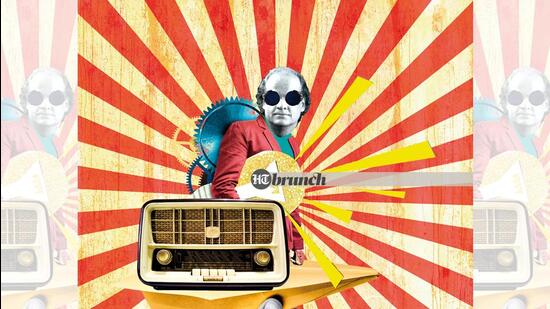
It’s impossible to believe that the neon-lit 1990s are three decades old; there’s got to be some calculating error. Just to check whether it really is true, I’ve been immersing myself in ’90s sitcoms. The absurd observational comedy of Seinfeld segues easily into the ensemble genius of Friends, and both lend themselves to endless repeat viewings. But another stellar show from that pre-cell-phone, post-liberalisation era has stayed dormant in my memory for many years. Rewatching Frasier now, I’m thrilled that it’s aged like a fine burgundy the two Crane brothers from the show might sip together while exchanging disdainful notes about the world around them.
The dark truth about Frasier
‘Millennials: it’s time to face the dark truth about Frasier.’ So threatened a caption for a 2020 New Yorker column. I began reading it with trepidation. The headline went: ‘Six things millennials have in common with Dr. Frasier Crane’. To deepen my worries, it carried this additional warning: (No. 5 Will Drive You Into a Deep Depression). “No!” my #MeToo rattled, climate-change battered, politically oppressed heart cried out. The truth that the fifth item on the list declared was a bitter pill to swallow. “He was your age.”
Rewatching the show now (very, very legally, I assure you), it strikes me how I still see a forty-something Frasier as the quintessential adult to my bumbling adolescent. He wears suits, drinks fancy wines, is a respected public figure and is beset by fatherly worries. While one can readily identify with the stuck-in-teenage characters that shows like Seinfeld and Friends feature, Frasier’s humour rests on altogether more mature themes. And if you strip the character of all the paraphernalia, you find there’s much to empathise with.
“I’ll have a double shot, low fat, no foam latte.”
{{/usCountry}}“I’ll have a double shot, low fat, no foam latte.”
{{/usCountry}}The sitcom’s cast is a collection of types that somehow don’t seem hollow together. (Just like South Park’s extreme brand of universal offence absolves them from bigotry charges.) There’s Frasier, with his high culture and glorified self-image; his father, Martin, the injury-nursing ex-cop who laments his sons’ poshness while enjoying steak, beer and football; Daphne, Martin’s physical therapist, a tell-it-like-it-is brunette from Manchester; Roz, Frasier’s (as we now call it) sex-positive radio producer; Bulldog, the rowdily masculine sports presenter; Bebe, Frasier’s diabolical agent. But there’s one character that stands out in the superb cast: Frasier’s equally snobbish but infinitely more neurotic psychiatrist brother, Niles Crane, played masterfully by David Hyde Pierce.
I fell for Niles right from the get-go. His nervous tics. His mockery of Frasier’s “pop psychiatry”. His constant references to his fragile, glacial wife, Maris, whom we never see on the show. His puppy-like devotion to Daphne. There’s the conventional, successful white male, and then there’s Niles, his endearing eccentricity making up for his intellectual superiority. Charmingly, a recent Guardian article about the actor ran with the headline: “I’m completely devoted to one person”, drawing a striking parallel with Niles. (He was referencing his nearly forty-year-old relationship with Brian Hargrove, a TV writer.)
Tossed salads and scrambled eggs
Social media has given pop psychology a steroid shot. Name an affliction and I’ll show you a prettily designed digital poster that will treat it in fewer than fifteen words. But something about Frasier’s “I’m listening” voice sounds genuine despite Niles’ constant jibes about a radio shrink’s efficacy. In the world of the show, a “patient” becomes a “caller”, an unthreatening descriptor. (Traditional shrinks in offices should consider a similar euphemism for patients. Couch-hoggers, perhaps?) As the show goes on, it employs famous voices as guest callers, from Eddie Van Halen to Mel Brooks. A fun Easter egg hunt in a Christmas pudding of a show.
Exhilaratingly, I’m just on season one of 11 in this rewatching spree. Frasier’s father has just moved into his older son’s home, and there’s a whole lot of adjustment issues for the odd couple to negotiate, with the oversharing Daphne a challenge in herself. It’s good to be reminded that even opera-watching shrinks have daddy issues. We’ve come off a long period of being locked up in our homes in combinations that are perhaps not ideal. It’s such a perverse pleasure to now see the professionals deal with life’s big questions. (Spoiler alert! Jazz music, a pet who’s given to staring, and deeply emotional bonds always save the day.)
Follow @rehana_munir on Twitter and Instagram
From HT Brunch, May 28, 2022
Follow us on twitter.com/HTBrunch
Connect with us on facebook.com/hindustantimesbrunch