
 E-Paper



Can smartphones improve your memory? Here's what a study says

 Prefer HTon Google


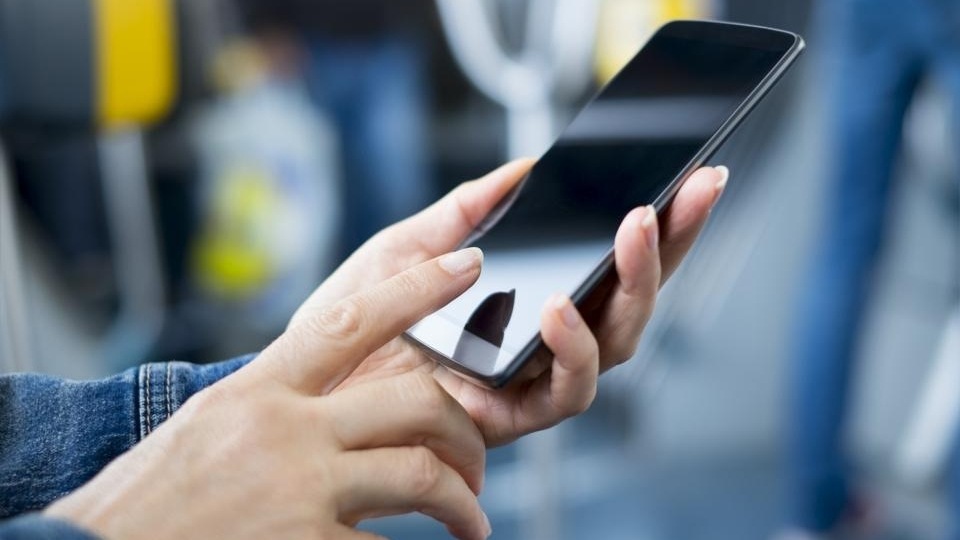
A recent study headed by UCL academics found that using smartphones, smart watches, and other digital devices can enhance the memory skills of a person.
According to a new study led by UCL researchers, using smartphones, smart watches and other digital devices can improve the memory skills of a person. The research, published in the Journal of Experimental Psychology: General, showed that digital devices help people to store and remember very important information. This, in turn, frees up their memory to recall additional less important things. ( Also read : Common lifestyle mistakes that are damaging your memory. Neurologist offers tips )
Neuroscientists have previously expressed concerns that the overuse of technology could result in the breakdown of cognitive abilities and cause "digital dementia".
However, the findings show that using a digital device as external memory not only helps people to remember the information saved into the device, but it also helps them to remember unsaved information too.
To demonstrate this, researchers developed a memory task to be played on a touchscreen digital tablet or computer. The test was undertaken by 158 volunteers aged between 18 and 71.
Participants were shown up to 12 numbered circles on the screen, and had to remember to drag some of these to the left and some to the right. The number of circles that they remembered to drag to the correct side determined their pay at the end of the experiment. One side was designated 'high value', meaning that remembering to drag a circle to this side was worth 10 times as much money as remembering to drag a circle to the other 'low value' side.
Participants performed this task 16 times. They had to use their own memory to remember on half of the trials and they were allowed to set reminders on the digital device for the other half.
The results found that participants tended to use the digital devices to store the details of the high-value circles. And, when they did so, their memory for those circles was improved by 18%. Their memory for low-value circles was also improved by 27%, even in people who had never set any reminders for low-value circles.
However, results also showed a potential cost to using reminders. When they were taken away, the participants remembered the low-value circles better than the high-value ones, showing that they had entrusted the high-value circles to their devices and then forgotten about them.
Senior author, Dr Sam Gilbert (UCL Institute of Cognitive Neuroscience) said: "We wanted to explore how storing information in a digital device could influence memory abilities.
"We found that when people were allowed to use an external memory, the device helped them to remember the information they had saved into it. This was hardly surprising, but we also found that the device improved people's memory for unsaved information as well.
"This was because using the device shifted the way that people used their memory to store high-importance versus low-importance information. When people had to remember by themselves, they used their memory capacity to remember the most important information. But when they could use the device, they saved high-importance information into the device and used their own memory for less important information instead.
"The results show that external memory tools work. Far from causing 'digital dementia', using an external memory device can even improve our memory for information that we never saved. But we need to be careful that we back up the most important information. Otherwise, if a memory tool fails, we could be left with nothing but lower-importance information in our own memory."
The research was supported by an ESRC grant and a grant from the Independent Research Fund Denmark.


