
 E-Paper



Cardiologist warns most heart attacks don’t come from big blockages; explains what really causes them

 Prefer HTon Google


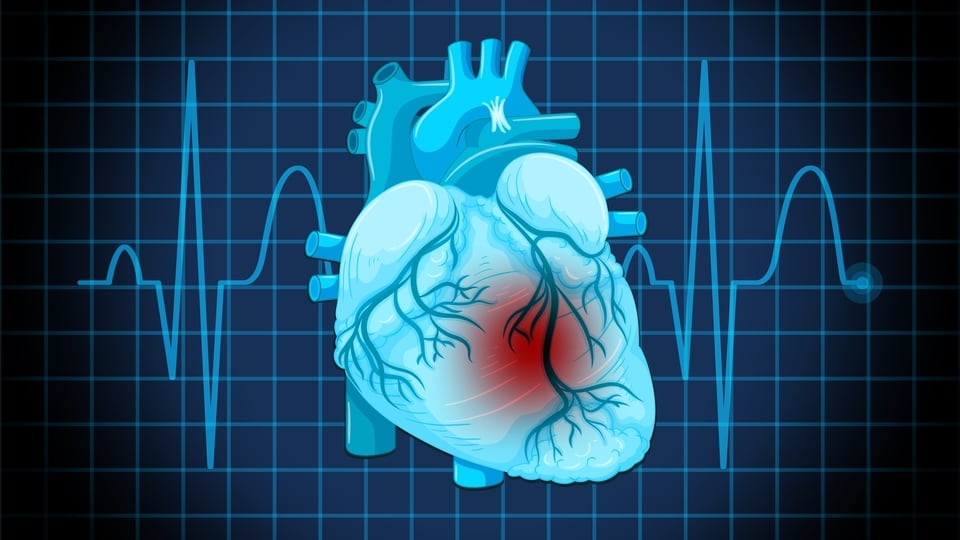
Think heart attacks come from major blockages? A cardiologist says the real danger lies in tiny, unstable plaques that stay silent until they suddenly rupture.
We tend to think heart attacks strike only when an artery is severely clogged, but that’s an oversimplified picture. Heart disease is far more complicated and, in many cases, dangerously quiet. Dr Dmitry Yaranov, a Tennessee-based cardiologist who specialises in heart transplants, explains this in his November 29 Instagram post, where he breaks down why the biggest threats often come from hidden plaque, not the large, obvious blockages most people worry about. (Also read: AIIMS neurologist warns 'stop scrolling your phone first thing in morning’; shares how it can affect your mental health )
Where do most heart attacks actually come from
According to Dr Yaranov, a stress test only tells doctors how the heart performs under physical pressure. It measures blood flow when the heart is pushed to work harder. But what it doesn’t show is what’s happening inside the artery walls, the place where most heart attacks actually begin. “A stress test looks at traffic flow. A CT coronary angiogram looks at the road itself, the cracks, potholes, and weak spots,” he said.
While many assume heart attacks occur because of large or obvious blockages, Dr Yaranov clarified that most cardiac events are caused by small, soft, inflamed plaques. These plaques don’t obstruct blood flow enough to show up on a stress test, yet they can rupture suddenly, leading to a heart attack without warning.
This is why, he explained, cardiology is shifting its focus from asking whether there is a blockage to understanding whether there is any underlying coronary artery disease.“You can ace a stress test and still carry silent, unstable plaque,” Dr Yaranov noted.
Which test actually reveals hidden heart disease
For individuals with symptoms, a family history of heart issues, diabetes, or high-risk profiles, Dr Yaranov recommends a CT Coronary Angiogram (CCTA) as a more accurate diagnostic tool. Unlike a stress test, which shows how well blood is flowing, a CCTA visualises the artery walls in detail, revealing plaque buildup, weak spots, and early signs of disease.
“CCTA is the tool that actually sees the disease, not the shadow, not the guess, the disease itself,” he added. As heart disease continues to rise, experts stress the importance of early detection and more precise screening tools. A normal stress test is reassuring, but it’s no guarantee your arteries are healthy.
Note to readers: This report is based on user-generated content from social media. HT.com has not independently verified the claims and does not endorse them.
This article is for informational purposes only and not a substitute for professional medical advice.


Catch your daily dose of Fashion, Taylor Swift, Health, Festivals, Travel, Relationship, Recipe and all the other Latest Lifestyle News on Hindustan Times Website and APPs.


