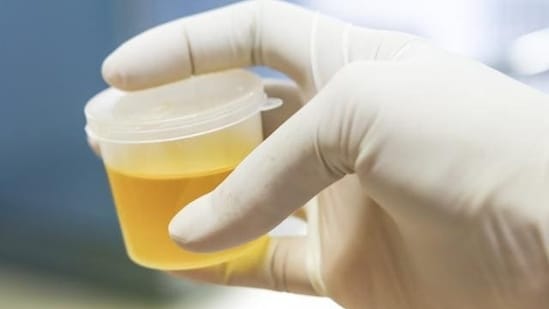
A young man once spent weeks losing sleep over frothy urine, an issue that had caused him considerable worry. He finally mustered the courage to seek medical evaluation. The doctor's explanation, however, was surprisingly simple: toilet detergent caused the foam in his urine!
"This example highlights an important lesson in the age of online health information: not every symptom signals a serious disease, and not every alarming explanation on the internet is correct," says Nephrologist Dr Sridatta Pawar at SS Narayana Health Superspeciality Center, Davanagere, to Health Shots.
Frothy urine often causes unnecessary worry. While it can sometimes indicate an underlying kidney problem, it doesn't automatically mean your kidneys are failing. Knowing when to pay attention, when to seek medical advice, and when not to panic helps protect both kidney health and peace of mind.
What causes frothy urine?
Residue from toilet cleaning agents can also produce foam. The kidneys filter waste products from the blood while retaining essential substances, including most proteins. In some cases, protein leakage may develop before a person notices any other symptoms. However, persistent proteinuria requires evaluation to identify its underlying cause. Distinguish occasional bubbles from persistent froth. Urine appearance alone cannot confirm protein or determine the severity of a kidney problem.
Why should people with diabetes be particularly careful?
People living with diabetes need to pay close attention to their kidney health. High blood pressure is another major risk factor for kidney damage. Regular urine albumin and kidney function tests can help detect kidney disease early.
When should frothy urine raise concern?
No simple visual test can reliably distinguish harmless bubbles from protein-caused froth. If your urine repeatedly looks unusually foamy, especially if the foam persists, see a doctor rather than relying on appearance alone.
- Increased frequency of urination at night.
- Blood in the urine.
- A noticeable reduction in urine output.
- Persistent high blood pressure or a known history of diabetes or kidney disease.
A noticeable reduction in urine output, especially with swelling or breathlessness, requires prompt medical attention. The absence of these symptoms does not guarantee healthy kidneys.
A simple test can provide clarity
For people with type 1 diabetes, annual screening is generally recommended beginning five years after diagnosis.
- Instead of repeatedly checking the toilet bowl or searching online for explanations, people should seek medical evaluation if they're concerned. Doctors may recommend a routine urine examination to look for protein, blood, and other abnormalities.
- If a test shows an abnormal result, the doctor may recommend repeat testing or further investigations to determine the cause. A nephrologist, a specialist in kidney diseases, can evaluate persistent abnormalities and determine whether treatment or monitoring is required.
Do not let internet searches turn a symptom into fear
- Online health information can undoubtedly raise awareness of health issues. Still, it can also create unnecessary fear when people interpret symptoms without appropriate medical context.
- The young man who feared kidney failure for weeks is a reminder of how easily an ordinary observation can become a source of intense anxiety.
- The solution isn't to ignore symptoms, but to balance caution with care: verify online information with reliable medical sources and see a qualified doctor when needed.
- Persistent frothy urine deserves attention, particularly in people with diabetes or high blood pressure. But panic isn't a diagnosis, and foam isn't proof of kidney failure.
(Disclaimer: This article is for informational purposes only and is not a substitute for professional medical advice. Always seek the advice of your doctor with any questions about a medical condition.)
Catch your daily dose of Fashion, Taylor Swift, Health, Festivals, Travel, Relationship, Recipe and all the other Latest Lifestyle News on Hindustan Times Website and APPs.
Catch your daily dose of Fashion, Taylor Swift, Health, Festivals, Travel, Relationship, Recipe and all the other Latest Lifestyle News on Hindustan Times Website and APPs.