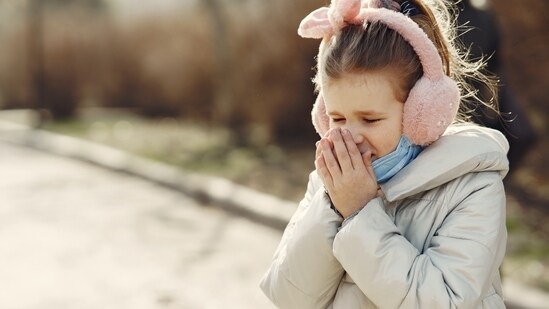
Cough and fever may seem like common occurrences in children. But doctors advise parents not to ignore these signs in case a more serious health issue is underway. One of these is paediatric pneumonia, a serious lung infection that can escalate quickly in children, especially those under five years of age. Since children have developing immune systems and smaller airways, pneumonia can progress faster in them than in adults. Parents should watch for warning signs such as difficulty breathing, poor feeding, excessive sleepiness or bluish lips, and seek medical care immediately. With prompt diagnosis, the right treatment and supportive care, most children recover well, but delaying help can raise the risk of complications, says a paediatric pulmonologist.
Is pneumonia risk higher only in winter?
Pneumonia is often perceived as a seasonal illness. Still, it is actually a severe lung infection that can worsen rapidly, especially in children with smaller airways and developing immune systems. "Pneumonia happens when an infection fills the tiny air sacs in the lungs with fluid or pus. This can make it difficult to breathe and lead to dangerously low oxygen levels," Dr Indu Khosla, Paediatric Pulmonologist, Narayana Health SRCC Children’s Hospital, Mumbai, tells Health Shots. The infection spreads easily through coughing, sneezing, close contact, and touching contaminated surfaces. It’s important to recognise the symptoms early so you can act quickly.
What are the first warning signs of pneumonia in children?
Fever and cough are common signs that can cause worry. Still, pneumonia often begins with less obvious symptoms that may be easily missed. Here are seven important warning signs that could mean your child is at risk:
- Persistent high fever: If your child has a fever that lasts for an extended period and doesn’t improve with regular medication, this is a serious reason to be concerned.
- Chest indrawing: Watch how your child breathes. If the lower part of their chest pulls in with each breath, known as ‘chest indrawing,’ it may indicate that they are having trouble breathing.
- Feeble appetite or refusal to eat or drink: If your child has a low appetite or refuses to eat or drink, it may indicate that they are not feeling well.
- Irritability or unusual sleepiness: If a child becomes more irritable or excessively sleepy, it may be a sign of a problem. Typically, children are not overly tired.
- Vomiting along with coughing: Coughing can sometimes cause you to gag, but if you have a cough and continue to vomit, you should be concerned.
- Bluish lips or nails: Cyanosis is a warning sign that your child may have low oxygen levels. You can tell if this is happening by looking for a bluish tint on their lips or nails.
- Fast or strained breathing: Rapid or laboured breathing at rest is a serious warning sign that should not be ignored.
"If your child experiences two or more of these symptoms simultaneously, it is recommended to consult a healthcare professional immediately. Getting help early can prevent complications and avoid the need for hospitalisation," says the paediatric pulmonologist.
How fast does pneumonia progress in kids?
{{/usCountry}}"If your child experiences two or more of these symptoms simultaneously, it is recommended to consult a healthcare professional immediately. Getting help early can prevent complications and avoid the need for hospitalisation," says the paediatric pulmonologist.
How fast does pneumonia progress in kids?
{{/usCountry}}Three main factors speed up pneumonia in young children:
- Indoor air pollution and poor ventilation: Children spend more time indoors than adults, making them more susceptible to the effects of pollutants.
- Exposure to smoke and strong odour: Smoke from cooking, incense sticks, and scented products can cause serious harm to your breathing.
- Low immunity due to poor nutrition: A child's nutrition is important for their immune system. A well-nourished child can better fight off infections.
"Children recovering from illnesses like colds or the flu are more likely to get sick again because their immune systems may be weakened for a while", says Dr Khosla.
How to prevent pneumonia in children
What can parents do to keep their children safe? Here are some simple and effective tips:
- Improve ventilation at home: Open windows, use air purifiers, and encourage airflow to reduce indoor pollutants.
- Limit exposure to indoor smoke and scented products: "Be conscientious about what you burn or spray in your home", says the doctor. It’s important to provide clean air for your child.
- Regular handwashing and surface hygiene: Teaching children to wash their hands can reduce the transmission of respiratory pathogens.
- Maintain good nutrition: Prioritising a balanced diet rich in proteins and vitamins can help bolster your child's immune system.
"Making small changes to your child's daily routine can help reduce the severity of infections and speed up their recovery", shares the expert.
Importance of vaccination to prevent pneumonia?
Vaccines are important for preventing pneumonia. Timely vaccinations can protect children from common pneumonia-causing bacteria, like Streptococcus pneumoniae and Haemophilus influenzae type B. "Parents should talk to healthcare professionals about new viral monoclonal antibody treatments for RSV infections," explains the doctor. Following the vaccination schedule can significantly reduce the risk of pneumonia and mitigate its severity.
If you notice any of the following signs, seek medical help right away:
- Rapid breathing or respiratory distress
- Refusal to eat or drink, especially combined with lethargy
- Visible chest indrawing
- Bluish lips or nails
If you notice any of these concerning symptoms, seek medical attention immediately.
(Note to readers: This article is for informational purposes only and not a substitute for professional medical advice. Always seek the advice of your doctor with any questions about a medical condition.)
Catch your daily dose of Fashion, Taylor Swift, Health, Festivals, Travel, Relationship, Recipe and all the other Latest Lifestyle News on Hindustan Times Website and APPs.
Catch your daily dose of Fashion, Taylor Swift, Health, Festivals, Travel, Relationship, Recipe and all the other Latest Lifestyle News on Hindustan Times Website and APPs.