
 E-Paper



Gurugram’s health dept launches campaign to prevent pneumonia among children
The drive aims at reducing pneumonia-related deaths by strengthening early detection and treatment at the community level.

 Prefer HTon Google


The Gurugram health department on Tuesday launched the Social Awareness and Action to Neutralise Pneumonia Successfully (SAANS) campaign, aimed at preventing pneumonia among children under the age of five. The campaign will continue till February 28, 2026.
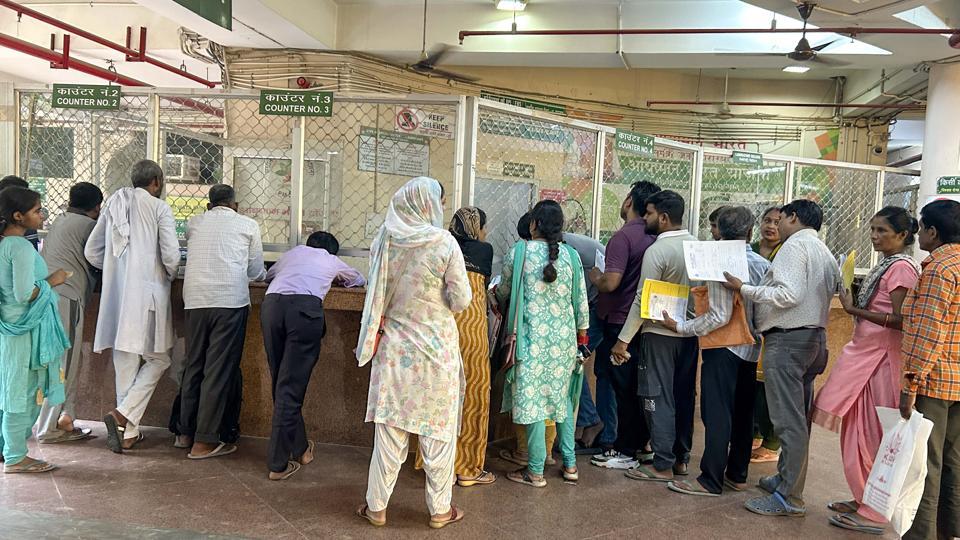
The drive aims at reducing pneumonia-related deaths by strengthening early detection and treatment at the community level. Health teams will conduct door-to-door visits across urban and rural areas to raise awareness and educate parents about pneumonia symptoms, including rapid breathing and persistent cough.
“Over 1.5 lakh children will benefit from this drive. Health workers will receive special training as per the National Pneumonia Management Guidelines (2019). Vaccines like PCV, pentavalent, and MR will be administered during the campaign,” said Alka Singh, chief medical officer.
Meanwhile, the paediatric intensive care unit (PICU) and advanced respiratory support facilities at Civil Hospital in Sector 10 remain non-functional, leaving children suffering from severe respiratory illnesses and pneumonia without specialised care. Doctors refer critical cases to Safdarjung Hospital, AIIMS in Delhi or Rohtak, officials said.
Hospital authorities attributed the gap to inadequate infrastructure, limited medical equipment, and a shortage of trained paediatric staff. Officials said the existing building is too small to accommodate all essential facilities. “The hospital lacks both space and proper equipment. A PICU is important, especially when the city’s air quality index (AQI) remains high, but in such cases, we refer patients to Delhi or Rohtak—whichever is more convenient for them,” said a senior doctor, requesting anonymity.
Dr Umesh Mehta, paediatrics department consultant said not all cases require intensive care. “PICU is not always the last resort. Some children only require medication or nebulisation, while others may need observation in the OPD or IPD for a few days. Only the most severe cases are referred to a PICU,” he said.
He added that earlier, the hospital had a PICU, which was later converted into a general ICU. “There is a rise in respiratory cases. Today, around 5-6 children came with respiratory issues,” Dr. Umesh said.
Another senior doctor, requesting anonymity, said staffing remains a key concern. “What is the purpose of having a PICU if there isn’t enough trained staff? Children in intensive care require long hours of monitoring, which demands more interns and trainee doctors willing to dedicate that much time. The government needs to increase the number of trainees at the hospital,” the doctor said.
Singh acknowledged the lack of infrastructure and assured that efforts are underway to improve facilities. “There is a shortage of infrastructure, but we will ensure that all necessary facilities are made available soon. As our chief minister Nayab Singh Saini has said, we aim to make government hospitals better than private ones,” she said.

Stay updated with all the Breaking News and Latest News from Mumbai. Click here for comprehensive coverage of top Cities including Bengaluru, Delhi, Hyderabad, and more across India along with Stay informed on the latest happenings in World News.


