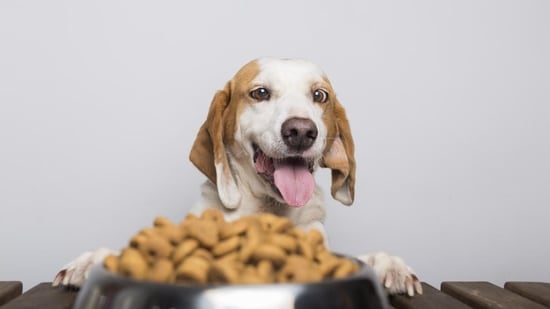
Are you looking to change your pet's food or unsure where to begin? Whether you are trying a new brand or moving from home-cooked meals to packaged food, your pet may need time to adjust. Introducing the change gradually can help make the transition smoother and keep digestive discomfort at bay.ALSO READ: Pet hair and paw marks ruining your furniture? 5 expert-approved ways to protect your interiors
Dr Ashok Pattanaik, head of R&D at Godrej Pet Care, walked us through the essentials of changing a pet's diet, for moving from home-cooked meals to packaged food and adjusting portion sizes.
Why do you need to take care when switching your pet's food? He explained, "Pet owners often assume switching food is as simple as swapping one bowl for another. It isn't. A pet's gut hosts a stable population of bacteria calibrated to their current diet, and abrupt changes can disrupt this balance, leading to vomiting, diarrhoea, or a sudden refusal to eat, according to feline health experts at Cornell University's College of Veterinary Medicine.”
So, even if your pet readily accepts the new food, it is better if you introduce it gradually. They may be willing to eat, but it does not mean that their digestive system has been fully adjusted.
How to switch from home-cooked food to packaged food?
But why does switching from home-cooked meals to packaged food require particular care? Why can't you switch altogether? The expert attributed this to differences in texture and moisture content.
{{/usCountry}}But why does switching from home-cooked meals to packaged food require particular care? Why can't you switch altogether? The expert attributed this to differences in texture and moisture content.
{{/usCountry}}Home-cooked food is usually soft and moist, but dry pet food has 10 percent less moisture. A pet accustomed to soft food may continue gulping down dry kibble rather than chewing it properly.
He also added, “When the habit of gulping carries over to dry kibble, which needs to be chewed, it can lead to reflux and vomiting. A pet's digestive system also needs time to adjust to a different overall nutrient profile between home-cooked and packaged food, which is another reason this particular switch benefits from a slower pace than an abrupt change between two packaged foods."
Instead, Pattanaik recommended introducing new food gradually by mixing a small amount into the existing diet and slowly increasing the proportion over time, rather than switching all at once.
How to adjust portions when switching between wet and dry foods?
Here's a set of tips from the expert on how to introduce new pet food gradually:
- Spread the transition over 7 to 10 days for most pets.
- Start by mixing 10 to 25 percent new food into the existing food.
- Increase the proportion of new food every two or three days, reducing the old food by the same amount.
- By the end of the transition, the new food should completely replace the old food.
- Cats may need longer than dogs to adjust, so allow more time if needed.
Which format: dry or wet?
Next, the format was addressed as there are different types, like wet, dry and mixed.The expert described, “Moving from dry to wet food requires portion adjustment, since wet food is high in water (sometimes up to 80 percent or more) your pet will need a larger volume to get the same calories. Moving the other way, from wet to dry, means smaller portions, since dry food is more calorie-dense.”
Some pets also resist a new texture altogether; in that case, lightly moistening dry kibble with a little warm water or broth can ease the transition.
How to check food label?
Before you buy any pet food, Pattanaik asked to check the ingredient list. He advised looking for named protein sources such as chicken or fish, rather than generic terms like ‘meat and animal derivatives.’
What are the signs that indicate discomfort?
The expert advised monitoring your pet for loose stools, vomiting, or loss of appetite during the transition. If a mild digestive problem occurs, slow the transition and return to the previous food ratio. But, make sure to seek prompt vet advice if pet stops eating or symptoms persist or worsen, rather than pushing ahead with the switch.
Note to readers: This article is for informational purposes only and not a substitute for professional medical advice.