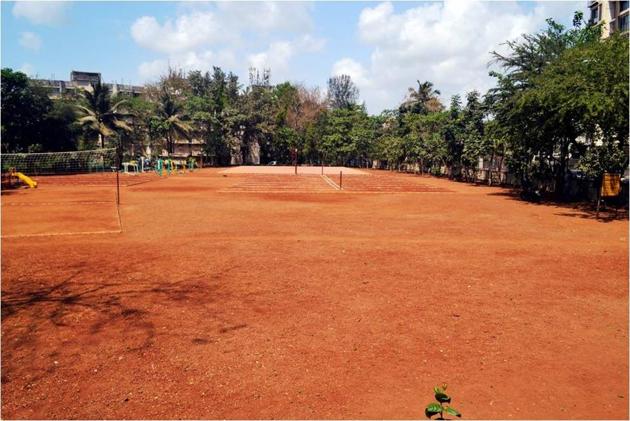
The general body of elected representatives to the Brihanmumbai Municipal Corporation (BMC) on Thursday passed an interim policy for the city’s open spaces, allowing citizen groups, non-government organisations (NGO) and private organisations to maintain playgrounds, recreation grounds and gardens. The policy allows them to maintain the city’s open spaces for a contractual period of 11 months as long as they adhere to the BMC’s rules, including non-discriminatory access to all citizens, without charging any money.
Citizen groups and civic activists, however, have questioned the move to pass an interim policy instead of a final one — after waiting for almost a decade – and that too without any discussions on its provisions.
The policy comes in the midst of a move by the BMC to reclaim its open spaces, which were in custody of private organisations, following chief minister Devendra Fadnavis’ orders of January 2016 to do so. Since then, the BMC has reclaimed 187 of the 216 open spaces in Mumbai, and 29 others are yet in the possession of adoptees.
Speaking to Hindustan Times, municipal commissioner Ajoy Mehta said, “The open spaces policy passed in general body is an interim one, and will be applicable to all of the city’s open spaces, until we pass the final open spaces policy, presently pending approval from the group leaders.”
According to the interim policy, private bodies can maintain open spaces as long as they provide non-discriminatory access, and free of charge entry to citizens. BMC also disallows commercial or political activities on the plot. Under the policy, interested parties will have to apply to BMC to adopt an open space and will have to strictly adhere to the BMC’s conditions. The interested parties wanting to maintain the open space will have apply to a ward-level committee – comprising civic officials – that will scrutinise their eligibility and allot the spaces accordingly. The BMC, however, is entitled to take back the plots at any given point of time without any notice.
{{/usCountry}}According to the interim policy, private bodies can maintain open spaces as long as they provide non-discriminatory access, and free of charge entry to citizens. BMC also disallows commercial or political activities on the plot. Under the policy, interested parties will have to apply to BMC to adopt an open space and will have to strictly adhere to the BMC’s conditions. The interested parties wanting to maintain the open space will have apply to a ward-level committee – comprising civic officials – that will scrutinise their eligibility and allot the spaces accordingly. The BMC, however, is entitled to take back the plots at any given point of time without any notice.
{{/usCountry}}Moreover, the entities will have to ensure that no construction is carried out on these plots and will lose the plots to BMC if they fail to do so. The entities will have to put up boards informing citizens that the open space is accessible to all people and is free of charge.
This policy has met with a mixed response from corporators in the Opposition, as well as activists. While opposition parties have accused the Shiv Sena of passing the policy without discussion or debate in the House, they have also questioned the need for an interim open spaces policy, when the civic body has enough funds to maintain open spaces on its own. They have also questioned the implementation of the same, especially whether the civic body will really take back the open spaces from private entities or NGOs run by politicians even though citizens lodge complaints.
The Congress threatened legal action to bring a stay on this policy, while the Samajwadi Party intends to open the policy in the general body for proper discussion within three months, as is the procedure.
Ravi Raja, leader of opposition in the BMC, said, “Today, the Shiv Sena has undemocratically, without taking the matter up for discussion or debate, passed the open spaces policy. Why is Shiv Sena afraid of discussion or debate? We are planning to move court to bring a stay on this policy. The decision will be taken within the next week.”
Meanwhile, Shailesh Gandhi, former Chief Information Commissioner of Maharashtra, said, “BMC does not need to involve third parties in maintaining open spaces. If it feels the need to do so, it should explain to the public why. The civic body has enough budget to maintain open spaces on its own.”
While the Shiv Sena, ruling party in the BMC, was happy with the sanctioning of the policy, the BJP, including the opposition leaders, alleged that the Sena, without discussing, cleared the policy.
Rais Shaikh, leader of the Samajwadi Party, said, “It is unfair that BJP and Shiv Sena did not give the opposition a chance to debate on the policy. All open spaces have not yet been taken back by BMC as per the chief minister’s order of January 2016. We will apply in three months to reopen this policy in the house, as per rule. Now this open spaces policy will give back door entry to politicians to maintain open spaces.”
Stay updated with all the Breaking News and Latest News from Mumbai. Click here for comprehensive coverage of top Cities including Bengaluru, Delhi, Hyderabad, and more across India along with Stay informed on the latest happenings in World News.
Stay updated with all the Breaking News and Latest News from Mumbai. Click here for comprehensive coverage of top Cities including Bengaluru, Delhi, Hyderabad, and more across India along with Stay informed on the latest happenings in World News.