Informal electronic waste (e-waste) recycling units in India’s metros are releasing some of the most toxic chemicals into the soil, a study says.
The multinational study, led by SRM University, Tamil Nadu, and funded by the Ministry of Environment, Forests and Climate Change, which tested five soil samples each from 28 e-waste recycling sites in Delhi, Mumbai, Chennai and Kolkata, found the soil contained toxic and hazardous polychlorinated dibenzo-p-dioxin (PCDD) and polychlorinated dibenzofuran (PCDF). The study found 90% of samples were contaminated with 26 compounds of polychlorinated biphenyls (PCBs) – a persistent organic pollutant (POP).
PCBs are industrial chemicals, and PCDD and PCDF are produced unintentionally during the incomplete process of combustion. All three compounds feature in the ‘dirty dozen’ list of banned pollutants under the Stockholm Convention, a global treaty to which India is a signatory.
READ: E-waste from developed countries are contaminating soil in metros, claims study
“Developing countries like India have never manufactured these types of compounds. These compounds can keep cycling back into the environment since they are semi-volatile, which means they can spread via air or are deposited back into the soil when it rains,” said Paromita Chakraborty, lead investigator, SRM University.” The highest PCB contamination was recorded in soil samples at recycling workshops engaged in precious metal recovery (88%), followed by grinding or shredding workshops (4%), dismantling sites (4%) and open dump sites (4%).
Long-term exposure on humans can cause cancer, birth defects, damage the central nervous system, immunity and reproductive systems and can interfere with hormones. Toxins in the soil can find their way into water and food. “These toxic components are carcinogenic and can seriously affect health and lead to various ailments for not only those at the site, but also those living around the area,” said Chakraborty.
{{/usCountry}}Long-term exposure on humans can cause cancer, birth defects, damage the central nervous system, immunity and reproductive systems and can interfere with hormones. Toxins in the soil can find their way into water and food. “These toxic components are carcinogenic and can seriously affect health and lead to various ailments for not only those at the site, but also those living around the area,” said Chakraborty.
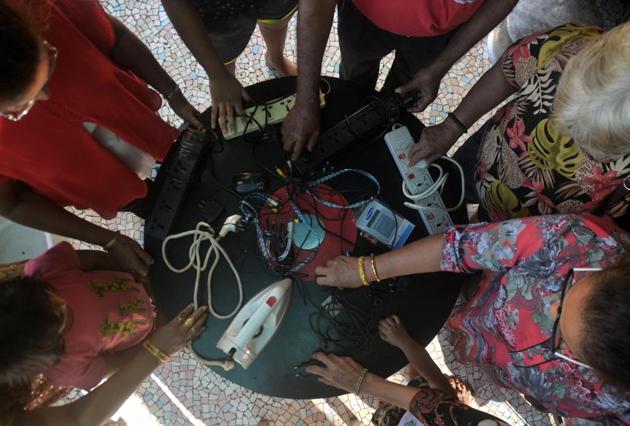
{{/usCountry}}E-waste includes broken or old electronic gadgets such as parts of computers, TV sets, audio systems, copiers, mobile phones, phone chargers, electric cables, batteries and fax machines, which contain plastics and rare metals that can be recycled.
Stay updated with all the Breaking News and Latest News from Mumbai. Click here for comprehensive coverage of top Cities including Bengaluru, Delhi, Hyderabad, and more across India along with Stay informed on the latest happenings in World News.
Stay updated with all the Breaking News and Latest News from Mumbai. Click here for comprehensive coverage of top Cities including Bengaluru, Delhi, Hyderabad, and more across India along with Stay informed on the latest happenings in World News.