The District Grand Lodge of Bombay, the city’s Freemason centre, organised a heritage walk on Sunday show Mumbaiites the connection between Freemasonry and Mumbai’s heritage structures.
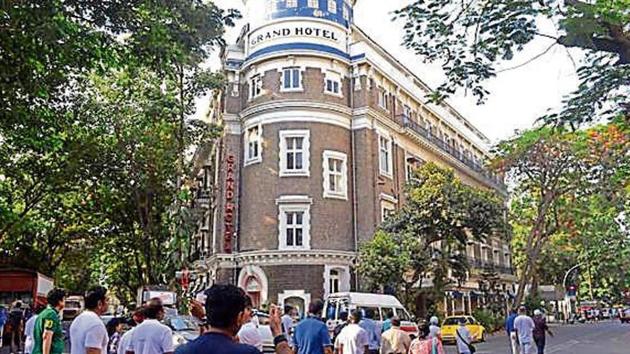
Freemasonry began in the late 16th and early 17th centuries in England and Scotland and entered India in the early 18th century. It is considered to be the world’s largest closed-door fraternity of stonemasons.
“Many heritage structures in south Mumbai have connections with Freemasonry. For example, the initiation for the first lodge to admit Indians into Freemasonry took place at the Town Hall, now called as the Asiatic Society,” R Venkatesh of Indian National Trust for Art and Cultural Heritage (INTACH).
According to Venkatraman P, the deputy district grandmaster, District Grand Lodge of Bombay, Frederick William Steven, the architect of Chhatrapati Shivaji Maharaj Terminus (CSMT) building, was initiated into Freemasonry in 1875. Steven was also the architect behind the Brihanmumbai Municipal Corporation (BMC) headquarters, Maharashtra Police headquarters in Colaba, Post-Office Mews at Apollo Bunder, the head offices of the BB&CI Railway at Churchgate railway station, the Oriental Life Assurance Offices at Flora Fountain, Mulji Jetha fountain.
Venkatesh added that even as the trend during the time CSMT and BMC headquarters were built was to follow Victorian Gothic architecture, these buildings have been built in Indo-Saracenic architectural form. “What we see is that Freemasons have expanded their horizon beyond politics and religion to follow their principles of being fair and square,” said Venkatesh. Venkatraman said former Viceroy Lord Ripon, after whom Ripon Club at Fort is named, had even introduced a bill whereby Indian judges could judge Europeans, a near impossibility until then.
{{/usCountry}}Venkatesh added that even as the trend during the time CSMT and BMC headquarters were built was to follow Victorian Gothic architecture, these buildings have been built in Indo-Saracenic architectural form. “What we see is that Freemasons have expanded their horizon beyond politics and religion to follow their principles of being fair and square,” said Venkatesh. Venkatraman said former Viceroy Lord Ripon, after whom Ripon Club at Fort is named, had even introduced a bill whereby Indian judges could judge Europeans, a near impossibility until then.
{{/usCountry}}Stay updated with all the Breaking News and Latest News from Mumbai. Click here for comprehensive coverage of top Cities including Bengaluru, Delhi, Hyderabad, and more across India along with Stay informed on the latest happenings in World News.
Stay updated with all the Breaking News and Latest News from Mumbai. Click here for comprehensive coverage of top Cities including Bengaluru, Delhi, Hyderabad, and more across India along with Stay informed on the latest happenings in World News.