A new study has found that a decrease in dust particulates — the largest constituents in the air during the pre-monsoon season over the sub-continent— translated into clearer skies over the Indo-Gangetic Plains (IGP) with the scattering and absorption of light at the earth’s surface also getting low at 3% per year during the same period.
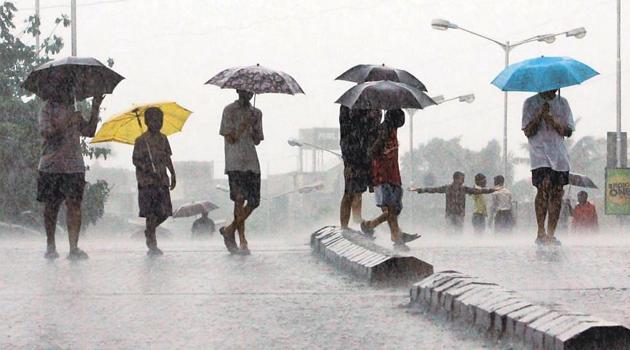
“Local dust is also declining over the Indian region. This can alter the early monsoon rainfall we depend on,” said V Vinoj, lead author and assistant professor, School of Earth, Ocean, and Climate Sciences, IITBBS .
A previous study by Indian Institute of Technology–Bhubaneshwar (IITBBS), had shown how dust from West Asia, combined with local factors, influences the summer monsoon rainfall that India is heavily dependent upon.
The study showed that when dust absorbs solar radiation over the Arabian Sea, it warms the area and strengthens winds carrying moisture eastward. This leads to India receiving more rain a week later. According to the new study, the reduction in extinction — or cleaner sky — was spread from Lahore in Pakistan to Kanpur in the east.
{{/usCountry}}The study showed that when dust absorbs solar radiation over the Arabian Sea, it warms the area and strengthens winds carrying moisture eastward. This leads to India receiving more rain a week later. According to the new study, the reduction in extinction — or cleaner sky — was spread from Lahore in Pakistan to Kanpur in the east.
{{/usCountry}}With these new findings, researchers said it is yet to be studied whether the increase in pre-monsoon showers, decrease in dust emissions, and weakened winds will affect total rainfall.
Researchers said clear skies, owing to a decrease in dust emissions, was strong over the arid and desert regions over north-western part of Indian subcontinent, including the Thar Desert.
The three-member team said weakening winds over the IGP also reduced the amount of fine dust travelling over long distances — in addition to an increase in pre-monsoon rainfall.
“It is difficult to say that the frequency and intensity of dust storms have decreased based on season. They are episodic events,” Ramesh P Singh, professor, earth system science and remote sensing at Chapman University, who was not part of the study told HT.
Stay updated with all the Breaking News and Latest News from Mumbai. Click here for comprehensive coverage of top Cities including Bengaluru, Delhi, Hyderabad, and more across India along with Stay informed on the latest happenings in World News.
Stay updated with all the Breaking News and Latest News from Mumbai. Click here for comprehensive coverage of top Cities including Bengaluru, Delhi, Hyderabad, and more across India along with Stay informed on the latest happenings in World News.