The Large Cuckooshrike may be an uncommon bird in the Mumbai Metropolitan Region (MMR) today. But during early and mid-1900s, this species was spotted in Malabar Hill, Juhu, Chembur and Marol.
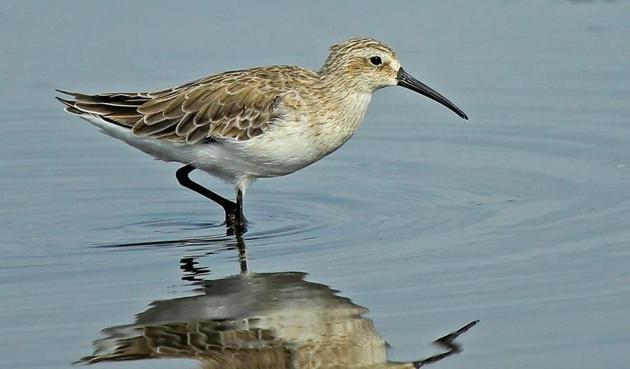
The Indian Cormorant was relatively uncommon in MMR until the late 1990s. For the last 12 years, this aquatic bird that’s found in the Thane wetlands has not just grown in numbers, but a small resident population has been established on the Bandra pond.
These and more historical observation of birds find place in the ‘Birds of the Mumbai region’, a pocket guide, by naturalist Sunjoy Monga. The book has documented more than 350 species – that’s nearly a quarter of the Indian avifauna – flying over 4,300 sq km of MMR, as well as Sahyadri hills (Western Ghats), including Bhimashankar, Mahabaleshwar, Malshej.
“Wherever there are people, there are also birds. The urban realm of town and city, created by our own actions, helps a wide range of birds to survive,” said Monga. “From parks and gardens, house roofs and cracks in walls, industry sheds, wetlands, and even overflowing garbage, birds are attracted by our doing.”
Set to be launched on January 14, almost 50% bird species in the field guide were sighted in urban parks, gardens, roadside trees, transmissions towers, and creeks and beaches.
{{/usCountry}}Set to be launched on January 14, almost 50% bird species in the field guide were sighted in urban parks, gardens, roadside trees, transmissions towers, and creeks and beaches.
{{/usCountry}}Of concern is the ongoing conflict between development and birdlife that has seriously threatened the wetland and grass and scrub habitats in MMR, which are home to nearly 60% bird species.
“The MMR region is a very challenging region with developments taking place, and is also home to protected areas and various habitats,” said Monga. “Most of the species are seen in small numbers. Only the hardiest manage to survive in abundance, while numbers of several have plummeted over the past decade.”
With rising number of people casually or otherwise getting interested in birds, the 400-page guide comprises a year calendar for every species, with the earliest and latest dates for migrants, and the breeding weeks for the resident birds. Also, Encounter Frequency for each species indicates how often a birder is likely to come across specie in specific regions and habitats.
“The MMR also has the unique distinction of having two contrasting worlds in the form of an overbuilt city juxtaposed by protected areas, hilly zones and lake fronts,” said Monga. “Several closely related birds have clearly divided their existence between the urban built-up and adjoining wilderness.”
READ MORE
Two bird sanctuaries in Uttar Pradesh get new lease of life
Stay updated with all the Breaking News and Latest News from Mumbai. Click here for comprehensive coverage of top Cities including Bengaluru, Delhi, Hyderabad, and more across India along with Stay informed on the latest happenings in World News.
Stay updated with all the Breaking News and Latest News from Mumbai. Click here for comprehensive coverage of top Cities including Bengaluru, Delhi, Hyderabad, and more across India along with Stay informed on the latest happenings in World News.