A petition seeking to ban female genital mutilation (FGM), known as “khafz” or “khatna”, has put a long-standing divide in the Bohri Muslim community in the spotlight with the Mumbai-based Dawoodi Bohra Women’s Association for Religious Freedom (DBWRF) filing for an impleadment that FGM should not be banned.
On one hand are those who claim it’s an integral part of their faith while on the other are survivors who argue that the practice is damaging and violates the rights of the girl child.
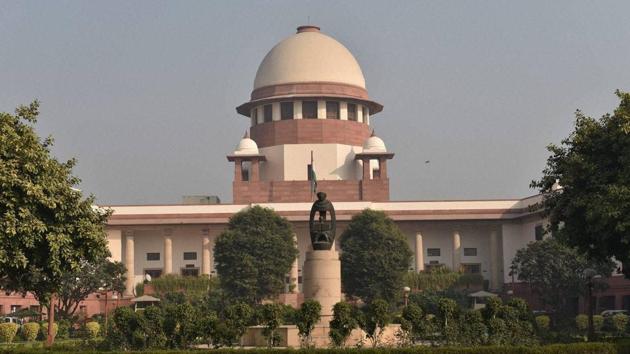
On Monday, a Supreme Court bench comprising Chief Justice Dipak Misra, Chief Justice Dipak Misra, Justice AM Khanwilkar and Justice DY Chandrachud heard public interest litigations (PILs) – two by Bohri women and one by advocate Sunita Tiwari – demanding a law against FGM on the grounds that it violates the child rights of Bohri Muslim girls.
Senior lawyer Indira Jaisingh, appearing for Tiwari, said FGM amounted to a crime under the Protection Of Children from Sexual Offences (POCSO) Act, which protects minors from sexual assaults.
Opposing the PILs is the Mumbai-based group Dawoodi Bohra Women’s Association for Religious Freedom (DBWRF), which filed an impleadment application in the Supreme Court on Monday stating that female genital cutting (FGC) is integral to their religious and cultural beliefs and should not be banned.
{{/usCountry}}Opposing the PILs is the Mumbai-based group Dawoodi Bohra Women’s Association for Religious Freedom (DBWRF), which filed an impleadment application in the Supreme Court on Monday stating that female genital cutting (FGC) is integral to their religious and cultural beliefs and should not be banned.
{{/usCountry}}“The question is if one does not want it, can it be compulsorily imposed?” asked the Chief Justice.
“Why should the bodily integrity of a woman be subject to some external authority? One’s genitals are an extremely private affair,” said Justice Chandrachud.
DBWRF claims to have the support of more than 60,000 women and wants the PILs to be heard by a five-judge constitutional bench.
“The practice of khafz is essential part of the religion for our community, and is thus protected under Articles 25 and 26 of the Constitution of India (which speaks about the right to practice and propagate religion). Since, it is protected under the Constitution, international treaties and conventions cannot apply in this case,” said Samina Kanchwala, secretary, DBWRF.
Kanchwala said khafz as practised by Bohri Muslims was different from FGM, as it is “just a nick on the clitoral hood”.
“There is no denying that FGC is different from FGM, and has been defined as Type-1 cutting, but the practice is neither necessary nor practical and has harmful effects on the survivors,” said Aarefa Johri, co-founder, Sahiyo, a non-governmental organisation that has been campaigning to end the practice. The next hearing is on July 16.
Stay updated with all the Breaking News and Latest News from Mumbai. Click here for comprehensive coverage of top Cities including Bengaluru, Delhi, Hyderabad, and more across India along with Stay informed on the latest happenings in World News.
Stay updated with all the Breaking News and Latest News from Mumbai. Click here for comprehensive coverage of top Cities including Bengaluru, Delhi, Hyderabad, and more across India along with Stay informed on the latest happenings in World News.