Already at risk from rains, flooding and open sewers, slum-dwellers who live by the ocean in the financial capital Mumbai are vulnerable to rising seas caused by global warming and say the government should help them move to safer locations.
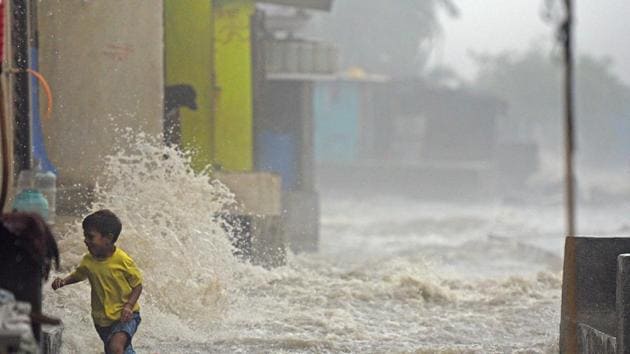
Thousands of people, mostly migrants from other parts of the country, live in temporary shelters, built on rocks at the edge of the sea and are likely to be the first hit from coastal flooding caused by climate change.
“Even hearing about (the rising sea levels) we feel afraid. What do we do? We have been living here for so many years. It would be good if the government could do something to help us,” said Kamakshi Tangesh Devender, who lives in a slum in Worli neighbourhood.
Climate change poses a greater threat to poor communities in developing nations like India, Indonesia and the Philippines, with people living on the margins less able to protect themselves from the impact.
A research paper by Climate Central, a US.-based non-profit climate science and news organisation, found that climate change will put an estimated 300 million people globally at risk of coastal flooding by 2050.
The UN-backed Intergovernmental Panel on Climate Change said in a report in September that sea levels could rise by one metre (3.3 feet) by 2100 — 10 times the rate in the 20th century — if carbon emissions that are responsible for climate change keep climbing.
{{/usCountry}}The UN-backed Intergovernmental Panel on Climate Change said in a report in September that sea levels could rise by one metre (3.3 feet) by 2100 — 10 times the rate in the 20th century — if carbon emissions that are responsible for climate change keep climbing.
{{/usCountry}}“Mumbai is going to be under water, we need to plan for that eventuality and what is required is to plan a new city to replace Mumbai as and when it gets submerged. And ideally, to my mind, it should be somewhere inland – at a pretty substantial elevation,” Debi Goenka, an environmental activist, told Reuters.
As well as changing sea levels, scientists say climate change is causing an increase in extreme weather events around the world such as drought and floods.
Mumbai has been hit this year by incessant rains and flooding, causing loss of life and property and halting essential services like local transport. The city received 66% more rainfall than average during the June to September monsoon season, breaking a record set in 1954.
Governments are meeting at a U.N. summit on climate change in Madrid on Dec. 2-13.
Stay updated with all the Breaking News and Latest News from Mumbai. Click here for comprehensive coverage of top Cities including Bengaluru, Delhi, Hyderabad, and more across India along with Stay informed on the latest happenings in World News.
Stay updated with all the Breaking News and Latest News from Mumbai. Click here for comprehensive coverage of top Cities including Bengaluru, Delhi, Hyderabad, and more across India along with Stay informed on the latest happenings in World News.