
 E-Paper



Women, spaghetti, passports: Mumbai cartel takes new route to smuggling drugs to Gulf countries
The anti-narocotics cell of the Mumbai crime branch has discovered a cartel that employs women from the city to smuggle drugs into Gulf countries. According to officers , the cartel has been operating majorly from the Mumbai airport, but also from Hyderabad, Pune and Cochin.

 Prefer HTon Google


The recent arrest of Furkana Sheikh, 27, from the Chhatrapati Shivaji International Airport for allegedly trying to smuggle 464 gram of amphetamine into Qatar has revealed the presence of a cartel that has recruited close to 100 women from Mumbai to smuggle drugs into Gulf countries.
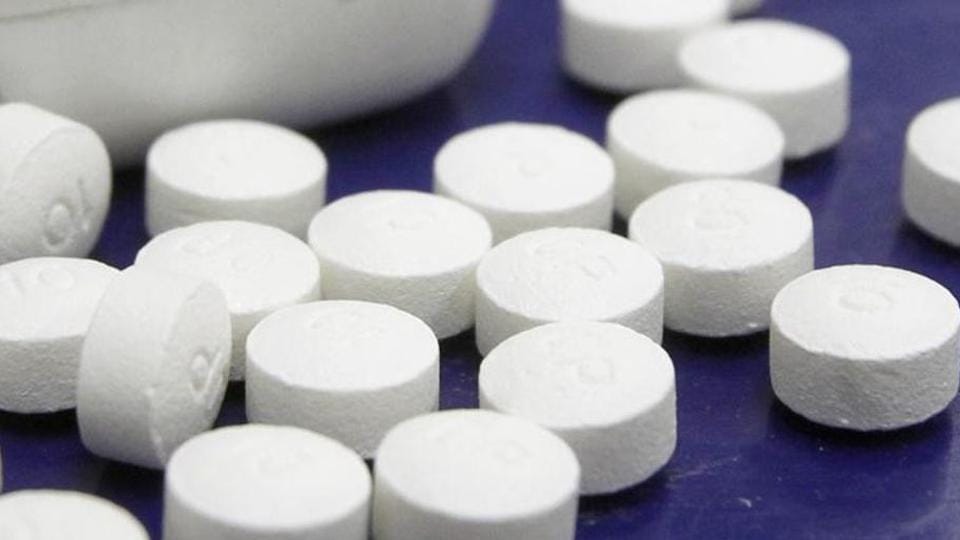
The cartel, according to officers from the anti-narcotics cell (ANC) of the Mumbai crime branch, has been operating majorly from the Mumbai airport, but also from Hyderabad, Pune and Cochin.
Kurla resident Furkana’s interrogation led them to Tabassum Shaikh, 32, and Rashid Faras, 30, both of whom were arrested from Musafirkhana in Masjid Bundar. Further interrogation led to the arrests of Abdul Mulla, 32, and Mustakim Ali, 32, both natives of Kannur, Kerala. Ali headed the Mumbai operations of the cartel, while his brother, who is still at large, handled operations in Qatar, said officers.
The officers said that Tabassum had been a carrier for Ali for the past five years. After several operations, she was promoted to ‘chief recruiter’ where she looked for young women between the ages of 22 and 35, who were educated, spoke English and wanted to make a quick buck. One of the main criteria for selection for the recruiters, officers said, was that the woman should look like a frequent business-class flier.
“Like Tabassum, there were four more women in-charge of scouting for couriers in Mumbai. Tabassum had 24 women working under her. For each drug delivery, Tabassum got ₹30,000 while the carrier received an amount between ₹40,000 and ₹70,000 depending on risk, contraband involved and need” said an officer.
“At first, the recruit was made to smuggle small-level contraband (cigarettes) from Gulf countries as a test. After several such trips, they were sent on higher-level operations that dealt with the smuggling of amphetamine, which costs ten times more in the international market than in the Indian market. The contraband seized from Furkana was worth ₹23.25 lakh here, but ₹2 crore in the international market,” said the officer.
The investigation by officers revealed that the drugs were concealed under a loose layer of vermicelli or spaghetti in a bag so that it cannot be detected by a scanner at the Mumbai airport. These bags were handed to the carriers at the last minute, along with new passports at Tabassum’s home at Dongri.
According to the officer, the carrier was then received in the Gulf by Ali’s brother [in Qatar] or his men, who got the carrier’s photo through Whatsapp before she landed. The women wore gold jewellery while returning to the country, to avoid the police. The other four recruiters also had close to 20 women working under them.
To evade Mumbai authorities like customs, Air Intelligence Unit (AIU) and the Central Industrial Security Force (CISF), the carriers were sometimes sent back empty handed so even if the authorities got a tip-off, they came out clean.
“There is no specific pattern, however, we have identified at least 24 women used as carriers by Ali, Faras and Tabassum,” said Shivdeep Lande, deputy commissioner of police, ANC. The ANC officers are now digging deep to find other members of the cartel in other states


