Concerns among Mumbaiites about experiencing extreme heat are not unfounded. Urbanisation, the growth in the extent of concrete surfaces, high-rise buildings with glass facades, and a decline in tree cover has been warming the city over the past three decades, says an analysis of urban heat islands by Mithibai College, Vile Parle, and the University Grants Commission. Urban heat islands are areas that have average temperatures higher than the surrounding rural areas.
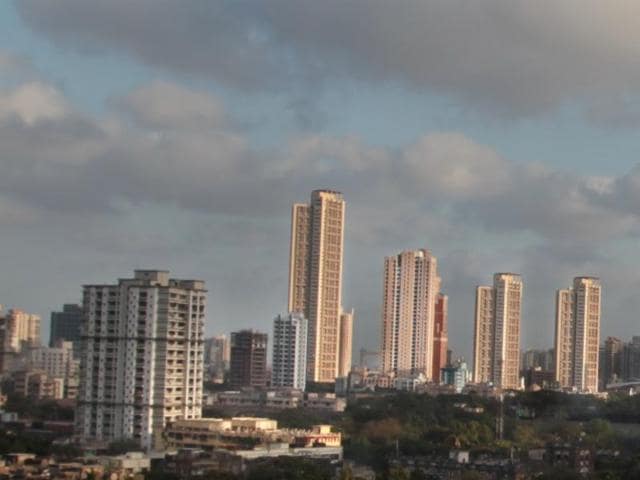
The study looked at average day time and night time temperatures between 1976 and 2007 at weather stations at Colaba and Santacruz and compared them to those located at Alibaug and Dahanu. The study found that the suburbs are warmer during the day in winter and summer than south Mumbai, Alibag and Dahanu. Likewise, south Mumbai was warmer during the nights in winter and summer as compared to the other meteorological stations.
Urban heat island is a phenomenon in the metros owing to rapid urbanisation, modern building structures which retain heat and energy-intensive activities. Though an urban heat island can form during any time of the day, it is more pronounced after sunset owing to the slow release of heat from the land.
“The city and suburbs experience the urban heat island effect indicating that this warming is anthropogenic (man-made) in nature and related to urbanisation,” said professor Sunita Maral, Mithibai College, and co-author. “Urban heat islands are also now shifting from the city to suburbs owing to process of suburbanisation. This is caused by shifting of population and commercial activities to suburbs, an increase in floor space index which allows more construction and progressive replacement of natural surface by built-up surface.”
{{/usCountry}}“The city and suburbs experience the urban heat island effect indicating that this warming is anthropogenic (man-made) in nature and related to urbanisation,” said professor Sunita Maral, Mithibai College, and co-author. “Urban heat islands are also now shifting from the city to suburbs owing to process of suburbanisation. This is caused by shifting of population and commercial activities to suburbs, an increase in floor space index which allows more construction and progressive replacement of natural surface by built-up surface.”
{{/usCountry}}The study, also co-authored by Tapati Mukhopadhyay, states that the construction of high-rise buildings along narrow roads of old residential areas prevents reflected heat to escape from urban surface to space and hence increases the urban heat. “The production of waste heat from air-conditioning and refrigeration systems and also from the vehicular traffic adds to the urban heat. Thus, change in the city landscape is responsible for the change in the micro-climate of the city,” read the paper.
According to the Indian Institute of Science (IISc), Bangalore, the net loss in vegetation in Mumbai over four decades (1973 to 2009) stood at 62.79%. In addition, land-use analysis indicated a decrease in vegetation by 20% with a 155% increase in built-up area during the same period.
“That 62.79% in 2009 has easily gone up to about 80% today. It’s the citizens that have to pay the price for such senseless growth in metros undertaken by policy makers that ultimately results in extreme weather events such as heat and flooding,” said TV Ramachandra, Centre for Ecological Sciences, IISc.
According to the Indian Institute of Science (IISc), Bangalore, the net loss in vegetation in Mumbai over four decades (1973 to 2009) stood at 62.79%. In addition, land use analysis indicated a decrease in vegetation by 20% with a 155% increase in built-up area during the same period.
“That 62.79% in 2009 has easily gone up to about 80% today. It’s the citizens that have to pay the price for such senseless growth in metros undertaken by policy makers that ultimately results in extreme weather events such as heat and flooding,” said TV Ramachandra, Centre for Ecological Sciences, IISc.
Stay updated with all the Breaking News and Latest News from Mumbai. Click here for comprehensive coverage of top Cities including Bengaluru, Delhi, Hyderabad, and more across India along with Stay informed on the latest happenings in World News.
Stay updated with all the Breaking News and Latest News from Mumbai. Click here for comprehensive coverage of top Cities including Bengaluru, Delhi, Hyderabad, and more across India along with Stay informed on the latest happenings in World News.