
 E-Paper



New crash rating system can improve road safety
The BNCAP aims to evaluate vehicles for crash resilience and safety features, aiming to improve road safety, protect consumer rights and ensure transparency

 Prefer HTon Google


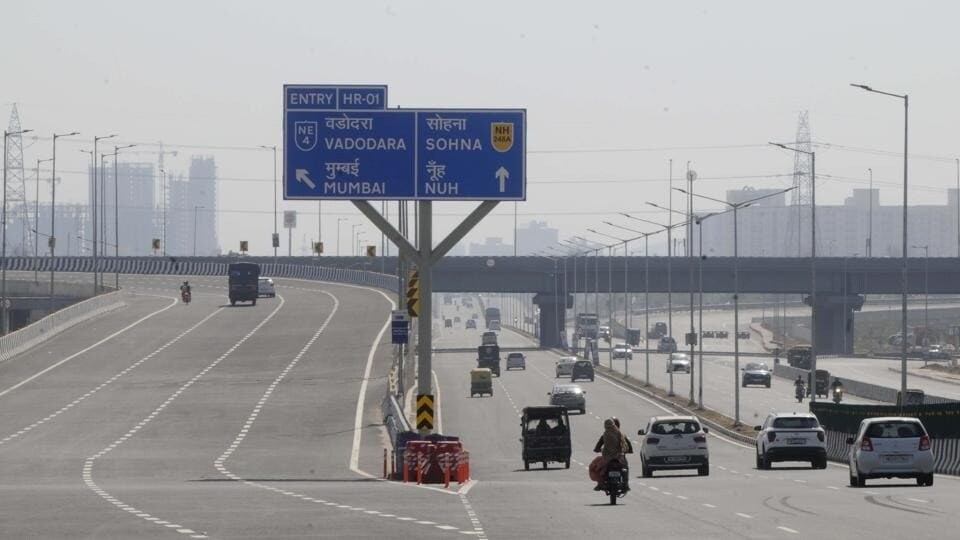
After 1991 with liberalisation, the safety standards of vehicles have improved, as has road quality. But the recent high-speed crash on the Sohna-Dausa highway with two fatalities is a reminder that while roads are vital arteries of our geographically diverse nation, connecting communities, driving commerce, and allowing citizens to exercise a variety of rights, road safety challenges remain.
In 2016, a landmark verdict by the Supreme Court in SaveLIFE Foundation v. Union of India recognised the right to safety of passengers on the road as part of the Right to Life (Article 21) under the Constitution. With rapid urbanisation and mushrooming vehicle numbers, India faces a daunting challenge in ensuring road safety. Vehicle manufacturers have, in the past, often paid lip service to safety. Seat belts are crucial, but vehicle design safety has to be ensured to contain injuries in road crashes.
The consequences of road crashes can be irreversible for victims with injuries and fatalities, and strike at an individual’s right to life and health. In 2020, this stark fact hit home when a family member of this author suffered injuries when a speeding dumper rammed into his Uber, barely 2km from the residence in early morning on Delhi’s tony Lodhi Road. Good Samaritans rushed him to the hospital and ensured immediate care through a Delhi government initiative. While we were lucky, many aren’t. Government statistics reveal over 23,000 annual deaths — 63 every day — from vehicle-related crashes, highlighting the need for a robust car safety testing regulatory framework in India. Banning (and confiscating or scrapping) older vehicles that meet both pollution and safety norms, and elsewhere in the world are treated as automobile heritage, is not the answer either. A recent raft of Delhi high court rulings are a reminder that our courts are the only recourse for hapless citizens against the misuse of State power. Neither the state nor the Centre have brought out any policy for ensuring the preservation, maintenance and use of classic cars (more than 25 years old), though the non-commercial vehicle scrapping policy really helps no one, not even manufacturers, keeping in mind the low numbers of such operational vehicles.
Here, the Bharat New Car Assessment Programme (BNCAP) has the potential to recalibrate India’s road safety dynamics. BNCAP educates consumers by meticulously evaluating vehicles for crash resilience and safety features, benchmarking against global standards. The programme doesn’t just present guidelines, it fortifies consumers’ rights to comprehend a car’s safety performance before its purchase. By doing so, it accentuates the consumers’ right to access secure transportation, simultaneously pushing manufacturers to meet stringent safety criteria, and endorsing the right to secure products.
Launched earlier this month as India’s exclusive car crash safety rating mechanism, BNCAP adheres to the AIS 197 standard, aimed at offering an unbiased crash safety car evaluation. It provides the regulatory framework for assessing both locally manufactured and imported M1 category vehicles, such as cars and vans with a maximum seating capacity of eight. Designed indigenously while mirroring global benchmarks, it seeks to balance local needs but on global standards. The programme encourages manufacturers to voluntarily attain vehicle star ratings, thereby streamlining the automobile industry’s safety regulations.
Significantly, BNCAP aims to seamlessly meld safety with affordability. By fostering competition, it encourages manufacturers to enhance safety provisions without inflating costs, democratising road safety for all by ensuring cost efficiency so that consumer interests are not sacrificed. Its commitment to transparency echoes the citizens’ right to information, giving them the tools to make safety-conscious vehicle acquisition possible, especially considering the substantial amount of time the average Indian now spends on the road, commuting for work or otherwise. BNCAP’s preventive approach aligns with the principle of pre-emptive justice. By curtailing road crashes and bolstering vehicle safety, it serves to secure potential infringements of consumer rights, emphasising the principle of precaution, rather than leaving victims to seek just monetary compensation post an accident.
The 2022 Supreme Court judgment in Shailendra Bhatnagar’s case, where a car manufacturer was made to pay punitive damages to dissuade manufacturers from neglecting vehicle safety issues, highlights BNCAP’s prospective role in evolving jurisprudence. As an advocate for the individual’s safety on roads, policies such as BNCAP are crucial steps to ensure safety and well-being on the roads.
Sidharth Luthra is a former additional solicitor general and a senior advocate at the Supreme Court. The views expressed are personal


