
 E-Paper



Signs of thaw in India-China ties
India and China agree on patrol arrangements at the LAC, marking progress after years of standoff. Next steps involve troop disengagement and trust-building.

 Prefer HTon Google


With the military standoff between India and China on the Line of Actual Control (LAC) well into its fifth year, New Delhi has announced that an agreement has been reached on patrolling arrangements along the disputed border. This is a positive development after years of unproductive talks, especially the stalemate that existed after the disengagement of forward troops at four locations, including the banks of Pangong Lake. The standoff, and especially the death of Indian troops in a brutal skirmish at Galwan Valley in June 2020, took bilateral relations to the lowest point since the border war of 1962. The damage done by those incidents to the overall bilateral relationship has been immense, especially at a time when China’s aggressive and assertive actions across the Indo-Pacific region have led to growing concerns and mistrust about the intentions of President Xi Jinping. India is not alone in having worries about China’s long-term goals insofar as border disputes are concerned, as developments in the South China Sea, East China Sea and Taiwan Strait have shown.
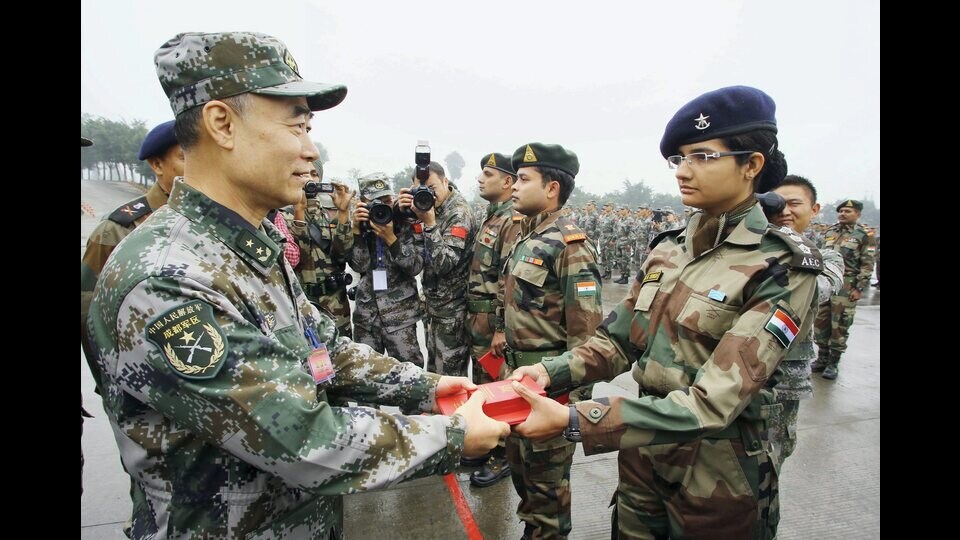
The latest development in the India-China border face-off should be seen as only the first step in a process, albeit one that logically leads to the next — disengagement and de-escalation. This will involve the pulling back of close to 60,000 troops arrayed on each side in close proximity to the LAC in the Ladakh sector, followed by their withdrawal to peacetime locations at the rear.
There are existing agreements that can guide these processes, and much will also depend on a possible meeting between Prime Minister Narendra Modi and President Xi Jinping on the sidelines of the Brics summit in Russia. Such a meeting will help add momentum to the process that has been initiated at the LAC, especially if the two leaders agree on specific directions for their militaries.
More importantly, the two sides will now have to reiterate their commitment to agreements on border management or agree on suitably updating them, given the Indian side’s consistent position in recent years that it was China that violated these pacts. They will have to do much more work to address the lack of trust and animosity that has largely characterised India-China ties over the past four years, despite the burgeoning economic relations. For starters, this will require Beijing to appreciate and accommodate New Delhi’s concerns.


