
 E-Paper



Photos: Teen pregnancy epidemic feeds Mozambique population boom
Child marriage and teen pregnancy rates in the southern African nation of Mozambique are among the highest in the world, a driving factor in the population explosion in this poverty-plagued nation. As per the current rates, the country’s population is set to double in the next 25 years. With United Nations’ support, the government in Mozambique has been working to educate teenagers including boys and has also been engaging teens in contraception awareness campaigns and a possible increase in the marriageable age in order to curb the population explosion.
Updated on: Aug 14, 2018 1:29 PM IST

Share via


Copy link

1/9
 View Photos in a new improved layout
Updated on Aug 14, 2018 1:29 PM
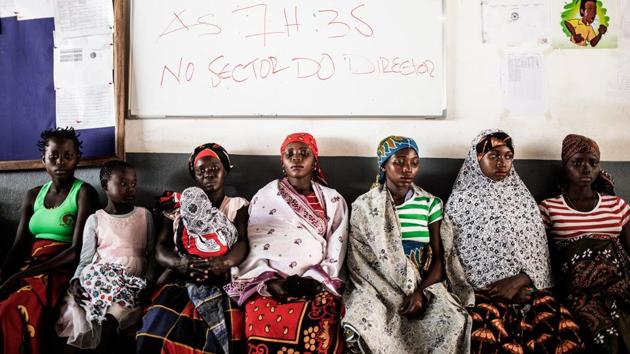
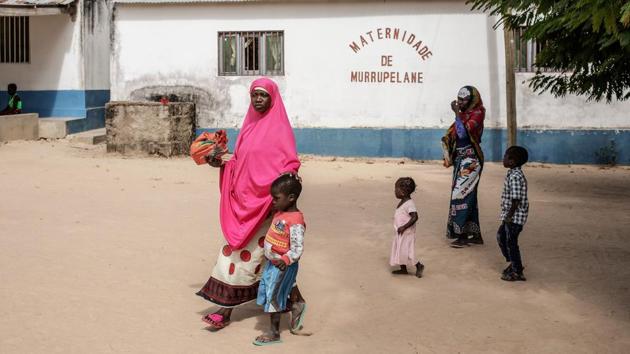
Mozambican women and expecting mothers wait to receive medical care at the Murrupelane Maternity ward in Nacala, Nampula Province. Child marriage and teen pregnancy rates in Mozambique are among the highest in the world, a driving factor in the population explosion in this southern African nation. Emerging from a brutal war in 1992, the former Portuguese colony saw its population swell 40% in the two decades to 2017, reaching 29 million today. (Gianluigi Guercia / AFP)
2/9
 View Photos in a new improved layout
Updated on Aug 14, 2018 1:29 PM
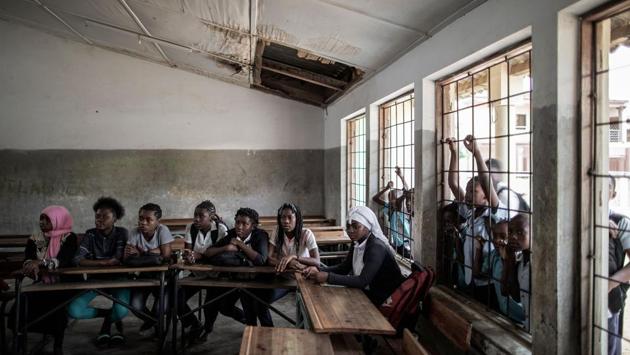
Mozambican girls listen to a contraception methods and sexual education briefing at a public school. “My parents really wanted me to get married,” said Julia Afonso, one of the girls who had just given birth in Murrupelane, a village in the north. In a tiny voice, she said her family received 1,500 meticals (USD 21) as a dowry. (Gianluigi Guercia / AFP)
3/9
 View Photos in a new improved layout
Updated on Aug 14, 2018 1:29 PM
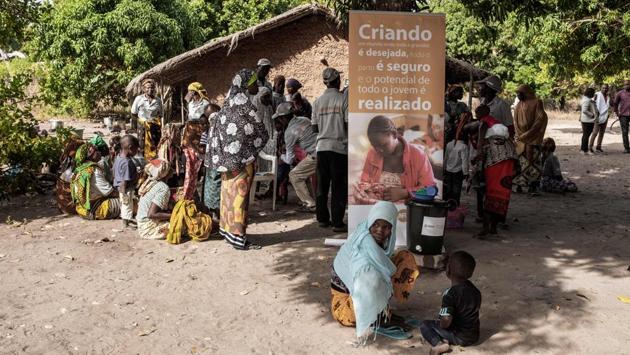
Residents gather to receive medical care to address early Motherhood and child marriage. Around half of Mozambique’s women -- 48.2% -- marry before they turn 18, according to UN children’s agency UNICEF. Of girls aged between 15 and 19, 46.4% are either pregnant or have already become mothers. (Gianluigi Guercia / AFP)
4/9
 View Photos in a new improved layout
Updated on Aug 14, 2018 1:29 PM
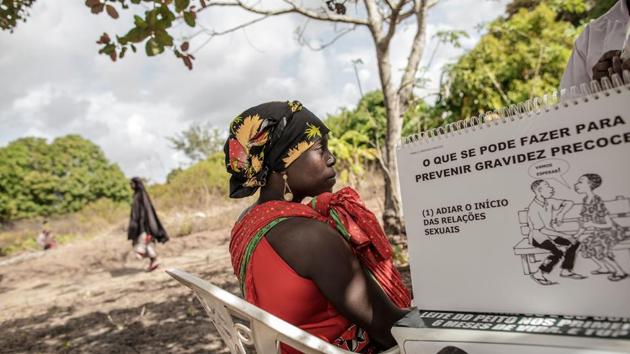
A local resident holds her child as a nurse explains contraception methods and sexual education during a health point gathering. These early marriages and pregnancies “are impoverishing the community,” said Murrupelane village chief Wazir Abacar. Young parents “cannot feed their children, and the mums leave school,” he said. As a result, 58% of Mozambican women are illiterate. (Gianluigi Guercia / AFP)
5/9
 View Photos in a new improved layout
Updated on Aug 14, 2018 1:29 PM
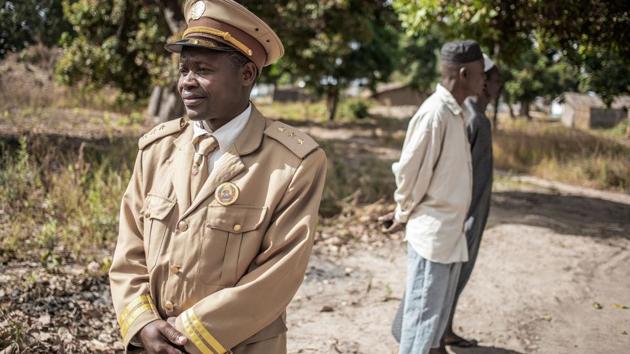
Traditional and religious leaders stand by during a meeting to improve the reproductive health and general well being of citizens through the fulfilment of the Family Planning 2020. This initiative is built on the premise that the life changing benefits of modern contraception should be available everywhere in the world, to every woman and girl, thus ensuring universal access to sexual and reproductive health and reproductive rights. (Gianluigi Guercia / AFP)
6/9
 View Photos in a new improved layout
Updated on Aug 14, 2018 1:29 PM
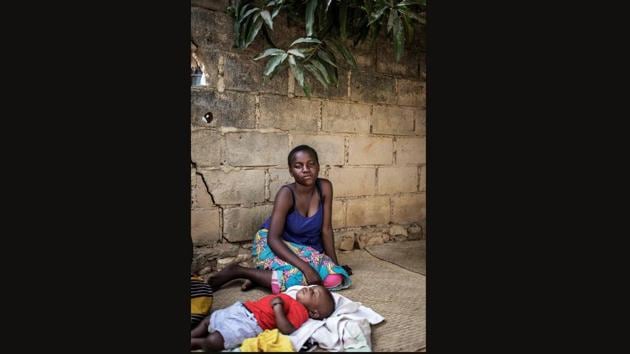
Emma, 13, gave into the advances of a man she met in the market who offered her 200 meticals (three euros) for her virginity. When she fell pregnant, Ema was flabbergasted. “I didn’t know you could get pregnant by making love,” she said, breastfeeding seven-month-old Ismail in the clay yard outside her grandmother’s home. “I can’t go out and play with my friends anymore,” she said. (Gianluigi Guercia / AFP)
7/9
 View Photos in a new improved layout
Updated on Aug 14, 2018 1:29 PM
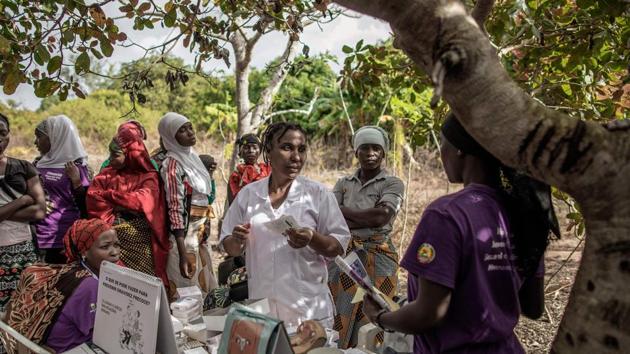
In the shadow of a mango tree in the northern village of Namissica, a dozen women crowd around a table to watch a nurse demonstrate how to use different contraceptives, with the help of a wooden model penis and a plastic vagina. If their husbands are “not cooperative”, nurse Fatima da Silva Cobre advises women to opt for a birth control implant. “He won’t know you’re using it,” she said. (Gianluigi Guercia / AFP)
8/9
 View Photos in a new improved layout
Updated on Aug 14, 2018 1:29 PM
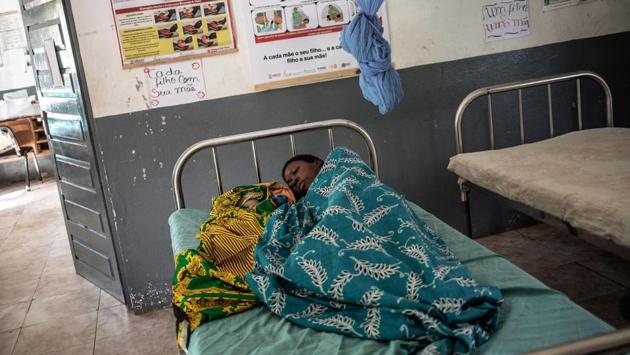
With UN support, Mozambique has been waging a contraception awareness campaign since 2016 and in a bid to curb the population explosion the government is in the process of changing the law to allow marriage only at 18, rather than at 16 with parental consent. “We know that the practice of early marriage is rooted in deeply-seated cultural values and social norms that prioritise fertility,” said Youth Minister Nyeleti Mondlane. (Gianluigi Guercia / AFP)
9/9
 View Photos in a new improved layout
Updated on Aug 14, 2018 1:29 PM


