
 E-Paper



Five key words to define Arvind Kejriwal’s Punjab tour
Outsider: That’s the word rivals in Punjab use most to describe Aam Aadmi Party (AAP) convener and Delhi chief minister Arvind Kejriwal, certainly not as a compliment.

 Prefer HTon Google


1. Outsider: That’s the word rivals in Punjab use most to describe Aam Aadmi Party (AAP) convener and Delhi chief minister Arvind Kejriwal, certainly not as a compliment. Being an outsider, however, is one of the activist-turned-politician’s positive pitches, one that’s largely unstated but hardly unheard in his campaign. Besides this appeal — ‘a concerned outsider wanting to make a difference from the inside’ — he insists he understands Punjab better than the Akalis and Congress.
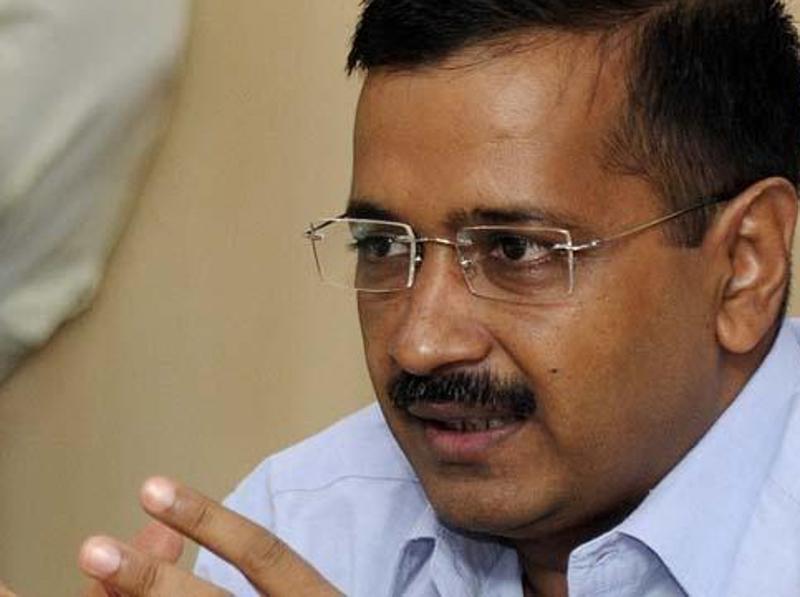
2. Ticket: On the CM candidate, he says that doesn’t matter much. On finding 117 candidates, he says these questions interest the media more than the ‘janta’ (public). In fact, the Punjab AAP leadership starts with Bhagwant Mann who is never far from controversy, goes to Sucha Singh Chhotepur who is seen as a spent force, and ends at HS Phoolka, who oscillates between being miffed and thrilled with the AAP and is conspicuous by his absence at the tour.
Read more: HT ANALYSIS The Kejriwal question: Is Punjab that simple, really?
3. Traditional: The traditional political paradigm sticks out in hoardings welcoming, thanking, backing Kejriwal/AAP. These have his photo and of sundry local aspirants in large size; ‘mugshots’ of centrally-deputed leader Sanjay Singh, comedian-MP Bhagwant Mann and state unit chief Sucha Singh Chhotepur co-exist. Deepak Bansal, 33, who features on three such boards in Bathinda, is also the head of the AAP’s zonal IT cell. He explains: “People said the AAP needs ‘visibility’, of the kind that others had. We had to adopt this method.”
4. Mechanical: Throughout his tour, Kejriwal meets handpicked victims of three issues — drug addiction, farm crisis, systemic corruption — yet the mechanical manner reeks of a politics of patronage, lacking spontaneity and spunk.
5. Hope: He advertises his Delhi success, but on Punjab’s issues offers oversimplified promises: “Will finish the drug problem in two-three months… Will give exemplary punishment to the corrupt…Will turn the economy around in two-three years.” “People see hope in us,” he says, denying that the AAP is banking on negative sentiment against the Akalis, in particular, and a rotational poll equation, in general. Punjab has always led revolutions, he says, calling the AAP ‘inquilaabi’ (revolutionary). Ask him about being a one-man show, and he says, “All our candidates will be honest. That’s all the janta wants; isn’t it?” The momentum of hope looks hard to sustain. But the panic in rival parties makes one wonder: What if it is really as simple as Kejriwal thinks it is?


