In the past, good home design meant large rooms, striking furniture, imported materials, and a cohesive interior. But as lifestyles evolve, so do people’s perceptions of the homes that they live in. Today, a room's value lies not only in its aesthetics but also in its impact on people. Bathrooms, bedrooms, and living rooms shape daily activities and emotions.
- The powder room and bathroom are among the clearest examples of this shift. Once seen as utilitarian spaces, they are now viewed as part of the house's private refuge. For example, the morning shower is no longer considered just a basic need.
- "Water dynamics, ease of use, lighting, ventilation, materials, and even the space's design can shape how it's used," Vinay Jain, Founder & Managing Director, GADOTT, tells HT Shop Now.
- This brings to mind how design itself has evolved as our conception of luxury has changed. Perhaps it's better to have good design, functional fixtures, proper lighting, and comfortable materials.
Even the bedrooms seem to be taking the same route
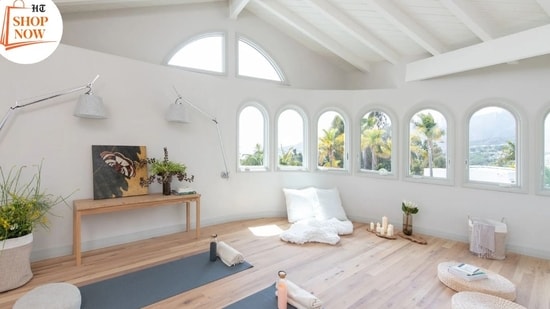
As the range of activities inside a house grows, zones for working, relaxing, and entertaining are emerging. Computers, TVs, and cell phones have also made the bedroom a work zone. As a result, people are making more effort to create serenity in the space through factors such as light. Natural light during the day and warm artificial light at night, along with sound, temperature, and furniture arrangement, help make a space comfortable. Technology doesn't have to go away; instead, it can serve another function.
What are formal and informal living rooms?
Living rooms are changing too as homes become more multipurpose. The traditional formal sitting area is being replaced by a space that can support conversation, reading, entertainment, working from home, and relaxation. Furniture and room design need to be more adaptable. A wellness living room doesn't need to be bare. This means one room can serve different uses without feeling overcrowded.
This leads to another major trend in residential design: a shift from visual design to sensory design. For many years, people have discussed interiors in terms of color, shape, and aesthetics. However, homeowners are increasingly realizing the importance of sound, touch, temperature, light, and even the experience of water. For example, a surface's touch experience depends on its material and finish. Water sounds can shape the bathroom's atmosphere. At the same time, natural daylight can change how the room feels throughout the day.
What challenges are associated with smart homes?
{{/usCountry}}This leads to another major trend in residential design: a shift from visual design to sensory design. For many years, people have discussed interiors in terms of color, shape, and aesthetics. However, homeowners are increasingly realizing the importance of sound, touch, temperature, light, and even the experience of water. For example, a surface's touch experience depends on its material and finish. Water sounds can shape the bathroom's atmosphere. At the same time, natural daylight can change how the room feels throughout the day.
What challenges are associated with smart homes?
{{/usCountry}}Technology will find its place in this new approach, but its significance will become less obvious. Smart lighting, touchless controls, temperature control systems, and water-efficient technologies can simplify household tasks. Perhaps the most useful innovations will be those that become nearly invisible to users, yet still make daily life more convenient.
This overall change is therefore not merely an emerging interior design trend. It speaks to how people understand quality of life at home. With the density of city living and growing time demands, the home is no longer expected to provide only refuge or a statement. It is now also expected to provide respite.
How to design a luxurious home?
Therefore, the luxury of the future home could care less about impressing guests and more about serving its occupants. A bathroom that makes your morning easier, a bedroom that promotes sleep, and a living room that helps you disconnect may prove to be a much more lasting luxury than any single design feature. Wellness homes are not just rooms or product categories. They are design concepts that start with a simple question: not only what a house looks like, but how it feels to live in it.
(Disclaimer: At Hindustan Times, we help you stay up to date with the latest trends and products. Hindustan Times has an affiliate partnership, so we may get a part of the revenue when you make a purchase. We shall not be liable for any claim under applicable laws, including but not limited to the Consumer Protection Act, 2019, with respect to the products. The products listed in this article are in no particular order of priority. The brand provided them to HT Shop Now for testing and evaluation. Our opinions remain independent and based on our personal experience with the items. Please patch test the products before use.)