
 E-Paper



iPhone 18 Pro's A20 Pro chip tipped to make a big leap with new architecture
The iPhone 18 Pro's A20 Pro chip is rumoured to bring a 2nm design and new packaging technology for faster AI, better performance and battery life.

 Prefer HTon Google


You may be interested in
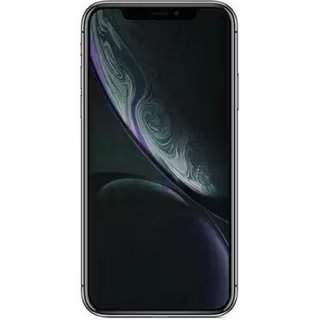


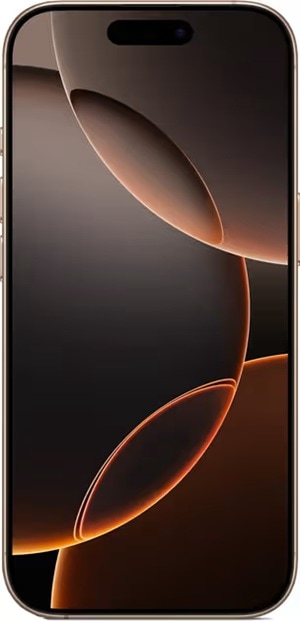


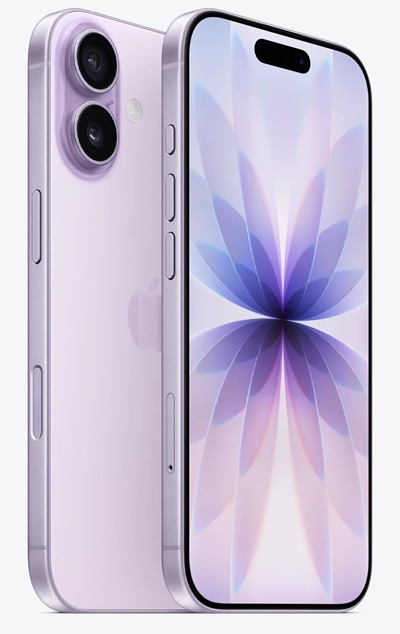


Apple's next generation A20 Pro chip is shaping up to be one of the biggest upgrades coming to the iPhone 18 Pro lineup. A report suggest that the chipset will introduce two major architectural changes that could significantly improve performance, battery life and on device AI capabilities. While Apple is yet to confirm any details, the early rumours point towards a much bigger leap than a routine annual processor refresh.
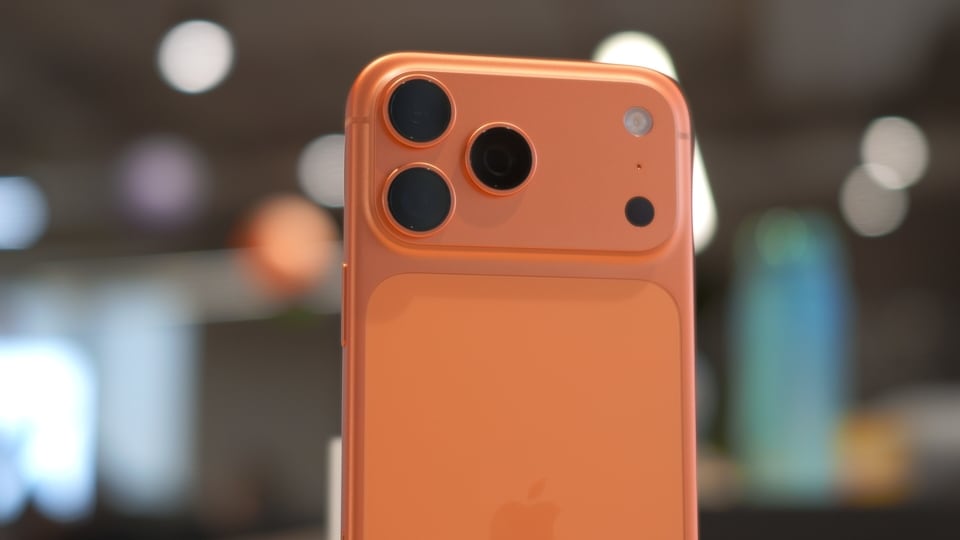

A20 Pro could be Apple's first 2nm smartphone chip
According to the report, Apple is expected to manufacture the A20 Pro using TSMC's advanced 2nm process. This would make it the first iPhone chip to move beyond the 3nm technology currently used in Apple's latest processors. The smaller manufacturing process allows more transistors to fit into the same space, resulting in better performance while consuming less power. Industry expectations suggest users could see faster app loading, improved gaming performance and better battery efficiency during everyday use.
New WMCM packaging could improve AI performance
The second major upgrade is expected to be a shift to Wafer Level Multi Chip Module (WMCM) packaging. Instead of relying on traditional chip packaging, WMCM enables key components such as the processor, memory and Neural Engine to be integrated more closely. This reduces communication latency between components, increases memory bandwidth and may also improve thermal efficiency. These changes could make the iPhone 18 Pro better equipped to handle demanding AI workloads directly on the device.
What this means for Apple Intelligence
Apple has been steadily expanding Apple Intelligence, and the A20 Pro could provide the hardware foundation for its next generation AI features. Faster memory access and improved processing efficiency may allow more complex AI models to run locally, reducing dependence on cloud processing while improving privacy, responsiveness and battery life. AI powered Siri will take major advantage from these upgrades to local AI tasks quickly.
Apple has not confirmed the rumours
As of now, Apple has not officially announced the A20 Pro or revealed any specifications for the iPhone 18 Pro lineup. The company is widely expected to unveil its next flagship iPhones later this year, where these rumours will either be confirmed or put to rest. Until then, the reported 2nm process and WMCM packaging remain based on industry leaks and supply chain reports.


