A serious stroke left him needing brain surgery, but less than two years later, he had led the e-scooter company he heads to a $1.7 billion IPO.
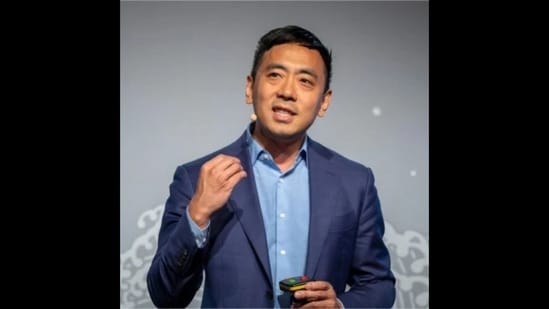
Lime CEO Wayne Ting opened up about his stroke recovery and the challenges of leading the company in an interview with Business Insider. He shared that when he was in hospital recovering from the stroke, he struggled to find examples of other CEOs who had publicly spoken about their experiences with stroke recovery. He now wants to be someone people can turn to for help and guidance, he said.
“In Silicon Valley, you want to be hardcore. You can’t be pumped; you have to be super pumped. Showing weakness and showing that you’re a human is frankly the image that not a lot of CEOs want to portray,” Wayne said.
Wayne connected his personal recovery with Lime’s long and difficult journey towards its IPO. According to the outlet, the company spent years competing with rivals such as Bird in the notoriously challenging micromobility industry and suffered a 95% drop in revenue during the Covid-19 pandemic. He said that financial improvement, like stroke recovery, required getting "1% better" every day.
How Lime turned around its business
Wayne said Lime has significantly improved the durability of its e-scooters and bikes. The company once had to replace its entire fleet every month, but its redesigned vehicles now last more than five years. The company has also seen stronger adoption in established markets. San Francisco, which Wayne described as a mature market for Lime, is now growing 100% year-over-year, he said.
Lime eventually raised around $167 million in its IPO, with the company valued at about $1.7 billion. Its stock price rose after the listing before later falling back towards its IPO valuation.
From Uber to Lime
{{/usCountry}}Lime eventually raised around $167 million in its IPO, with the company valued at about $1.7 billion. Its stock price rose after the listing before later falling back towards its IPO valuation.
From Uber to Lime
{{/usCountry}}Before becoming Lime’s CEO, Wayne worked as chief of staff at Uber. He said his experience at the ride-hailing company shaped his views on corporate culture and the importance of sustainable growth.
Wayne highlighted Uber CEO Dara Khosrowshahi’s efforts to change the company’s culture after taking over. According to him, Khosrowshahi inherited a workplace where employees believed there was “no line that we’re not willing to cross.”
Wayne said the idea of winning at any cost is ultimately unsustainable. “Win-at-all-costs is an insane idea. If you’re not doing the right things, you can win for a long time, but things will ultimately catch up to you,” he said.