
Artificial intelligence is often seen as a way to save time and make everyday tasks easier. However, Zoho founder Sridhar Vembu has pointed out an unexpected change in how he works. He says he now feels the need to keep AI busy even when he steps away from his desk for a walk, yoga or lunch.
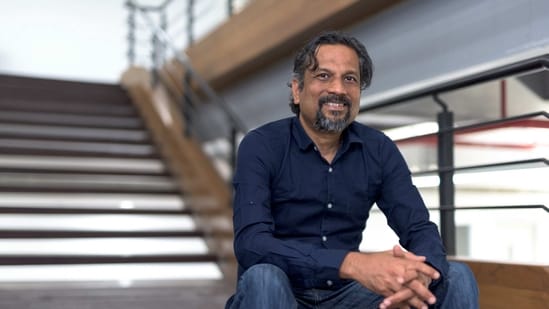
Vembu shared this observation in a post on X, where he spoke about how AI has changed his approach to work and breaks.
Sridhar Vembu on how AI is changing work habits
“I have gotten to the point where I ensure I have given AI a long-running piece of work before I go for a walk or do yoga or go for lunch. Otherwise it feels like I am not using that time well. AI makes you work harder, as many people have observed,” he wrote.
His observation points to an unexpected aspect of AI-assisted work. While these tools can complete tasks faster, they can also make it tempting to take on more work instead of using the saved time to switch off.
Take a look:
{{/usCountry}}Take a look:
{{/usCountry}}Internet reacts to Vembu's post
Several users related to Vembu's experience, sharing how AI agents had become part of their routines even when they were away from work.
“Going to sleep without an agent working on a hard problem that requires multiple hours has started to feel bad,” one user wrote.
Another said, “Guilty. I can't go for a walk unless an agent is running. The Jevons paradox has come for our lunch breaks.”
One user described how AI had increased their working hours, writing, “We came back and it got stuck at ‘Shall I continue?’” Another shared, “I spend almost 14 hours now,” explaining that AI had helped them finish tasks faster but had also increased their curiosity and the amount of time they spent working.
Not everyone agreed with Vembu. One user wrote, “I actually see it differently! If you use AI the right way, you won't have to work any harder at all.” Another joked, “Agents need to work 24/7. They don't need rest.”
Is AI making people work more?
AI tools can help people finish tasks faster, but that does not necessarily mean they end up working less. For some users, the extra time appears to create room for more tasks, while others see AI as a way to reduce their workload.
Vembu's post has brought attention to this contradiction. If AI can take on more work, will people get more time to themselves, or will they simply find more work to do?
ABOUT THE AUTHOR
Vaishali Kapila is a Senior Content Producer at Hindustan Times Digital, where she covers internet culture, viral social media moments, human interest stories and workplace trends. She believes the best stories often come from ordinary experiences and everyday conversations. Through her stories, she aims to help readers understand not just what is trending, but why it matters. Vaishali has over five years of experience in digital journalism. Before joining Hindustan Times, she worked as a Sub Editor at NDTV, where she specialised in food and travel writing. Over the years, she has written and edited stories on recipes, nutrition, restaurants, destinations and travel trends, while building expertise in digital storytelling and audience-focused content. Today, her work spans topics including consumer issues, lifestyle, workplace trends and stories that reflect everyday life. She enjoys finding fresh angles, speaking with people and adding context that helps readers make sense of a story.