An Olympic gold medal is the ultimate symbol of sporting excellence, representing years of training and sacrifice. However, there is a surprising detail about the prize that athletes work towards for years. Despite its name, the medal is not made entirely of gold.
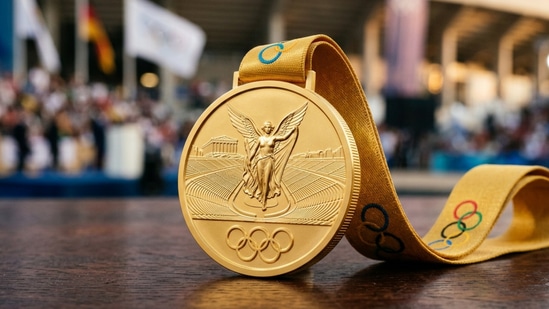
According to the International Olympic Committee's medal regulations, gold medals must be made of silver containing at least 92.5% pure silver and coated with at least six grams of pure gold. This means that the precious metal gives the medal its golden finish, while silver makes up most of its structure.
The rules also specify that Olympic medals must measure at least 60 millimetres in diameter and three millimetres in thickness. However, their exact weight, appearance and design can vary between editions of the Games.
(Also Read: Who is Roshni Nadar Malhotra, HCLTech chairperson ranked among Asia's 10 most powerful businesswomen?)
The Paris 2024 Olympics added a distinctive feature to this tradition. According to the Paris 2024 organising committee's sustainability report, each gold and silver medal was made using recycled silver, while the gold medals contained six grams of recycled gold. Each medal also incorporated an original piece of iron from the Eiffel Tower.
Why are Olympic gold medals not made of solid gold?
{{/usCountry}}The Paris 2024 Olympics added a distinctive feature to this tradition. According to the Paris 2024 organising committee's sustainability report, each gold and silver medal was made using recycled silver, while the gold medals contained six grams of recycled gold. Each medal also incorporated an original piece of iron from the Eiffel Tower.
Why are Olympic gold medals not made of solid gold?
{{/usCountry}}The practice of awarding gold medals to Olympic champions dates back to the 1904 Summer Games in St Louis, United States. However, the tradition of making first place medals from solid gold did not last.
According to the World Gold Council, the last Olympic Games to award medals made entirely of gold were held in 1912. Since then, gold medals have been made primarily from silver and finished with a coating of gold.
Using solid gold would make producing thousands of medals considerably more expensive. With medals awarded across individual and team events, a silver base helps keep costs down while retaining the golden finish.
(Also Read: Nestlé CEO Philipp Navratil explains what workers need to stay ahead in the AI era)
Are silver and bronze medals made differently?
Silver medals are primarily made of silver, while bronze medals typically use copper-based alloys. Their precise composition can differ depending on the Games and their manufacturing requirements.
Ultimately, an Olympic gold medal's significance extends far beyond its material value. Its gold coating may be relatively thin, but what it represents is a victory that athletes spend years working towards.