Long before Facebook and X took over our lives and Instagram made everyone an influencer, Orkut was the place to be, especially in India. Now, its creator, Orkut Buyukkokten, wants to hit the undo button and bring the site back to "make the internet human again." The nostalgia trip is real, but it also raises one big question: if everyone loved it so much, why on earth did Google pull the plug in 2014?
Why was Orkut shut down?
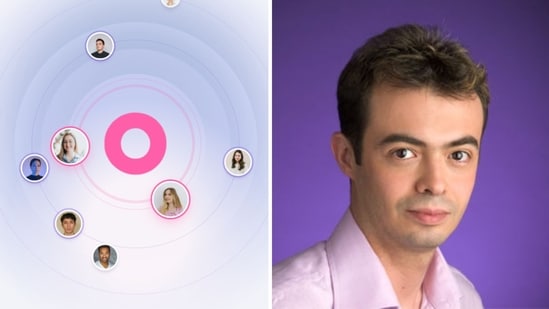
Before knowing why the platform finally disappeared, it is interesting to know when and why it was launched. After failing to acquire the then-viral platform Friendster, the tech giant Google decided to launch its own site, Orkut, in 2004.
Initially, Orkut captured people’s attention, and many started using it to connect with people across the world. Soon after Facebook was launched and it surpassed Orkut’s popularity in a short time. However, Google's social networking platform held on for nearly ten years before ultimately being shut down in 2014.
Initially, Orkut, named after its creator, Orkut Büyükkökten, had millions of users, three times as many as Facebook. However, Facebook took the lead within six months and became a dominating platform by 2012.
"Over the past decade, YouTube, Blogger and Google+ have taken off, with communities springing up in every corner of the world. Because the growth of these communities has outpaced Orkut's growth, we've decided to bid Orkut farewell," Google said in a now-unavailable blogpost in 2014.
Who is Orkut Büyükkökten?
{{/usCountry}}"Over the past decade, YouTube, Blogger and Google+ have taken off, with communities springing up in every corner of the world. Because the growth of these communities has outpaced Orkut's growth, we've decided to bid Orkut farewell," Google said in a now-unavailable blogpost in 2014.
Who is Orkut Büyükkökten?
{{/usCountry}}He is a Turkish software engineer who developed Orkut while he was working at Google. According to his LinkedIn, he completed his Bachelor of Science from Bilkent University and then a PhD from Stanford University.
He started his career as a research assistant at Stanford University and then joined Google, where he worked for nearly 12 years, from 2002 to 2014. Besides Orkut, he also co-founded Hello Network with John Murphy.
Why does he want to revive Orkut?
“Two decades ago, I helped build some of the earliest social networks. Since then, I've watched us spend twenty years optimizing the internet for attention, with feeds that hook us instead of helping us. Now, as AI changes how we connect, I keep coming back to what made all of this worth building: knowing there's a real person on the other side of every message,” he wrote in a recent social media post.
Büyükkökten continued, “I see a different future, built around real people and communities that reward kindness, trust, and belonging. It's the spirit that made Orkut special, and the spirit I want to bring into its next chapter. Help me bring Orkut back.”
He shared a link to a website, asking people to visit it and add their name “in support of a new human social network.” He also posted a letter addressed to social media users.
Evoking nostalgia, he wrote, “Do you remember when the internet was human? When a message from a stranger on another continent felt like magic? Another person had reached across the world to share a small piece of themselves. Maybe the connection lasted only a moment, but it was thrilling because it was real.”
“I still love this industry, but I despair at what it has become. Move fast and break things, so the slogan went. Well, things are broken. And now the machines have arrived. Artificial intelligence is extraordinary technology, but it’s dissolving the one premise that made social networking special and worth building: that there was a person on the other side.” He urged people to “join the movement” to revive the social media platform of the bygone era.
The site also has a “sign the petition” section, which claims over 266,102 people have joined his mission.
(With inputs from Reuters)